Introduction
The jello jigglers recipe 3 oz package yields a firm, hand-held gelatin snack defined by its vibrant fruit flavor and dense, elastic mouthfeel. This classic culinary preparation relies on drastically reducing the liquid ratio to concentrate the gelatin protein matrix. According to food science principles outlined by Harold McGee, gelatin molecules form a rigid yet flexible three-dimensional network that traps water when cooled, transforming a liquid solution into a sliceable, shape-retaining solid.
Recipe Snapshot:
- Prep Time: 10 mins | Cook Time: 2 hrs | Total Time: 2 hrs 10 mins
- Yield / Servings: 12 servings
- Difficulty: Beginner
- Key Flavor Profile: Sweet, intensely fruity, and bouncy
Ingredients
Precision in liquid measurement is critical when working with concentrated gelatin to ensure the final block achieves the necessary structural integrity without becoming rubbery. Standard commercial gelatin mixes incorporate sweeteners and adipic or citric acid for tartness, requiring only boiling and cold water to activate the setting process. For more related activities, check out our How To Make Blueberry Jelly With Sure Jell.
- 1 package (3 oz / 85 g) flavored gelatin powder (strawberry, lime, or preferred flavor)
- 3/4 cup (180 ml) boiling water
- 1/2 cup (120 ml) cold water
- Non-stick cooking spray or neutral vegetable oil, for pan greasing
Step-by-Step Instructions
Successful execution requires careful dissolution of the gelatin granules followed by rapid chilling to encourage uniform molecular cross-linking. According to USDA food safety standards regarding perishable gelatin preparations, store the finished jigglers at or below 40°F (4°C) to maintain food safety and prevent structural breakdown.
- Prep & Mise en Place: Lightly coat an 8×8-inch glass baking dish with neutral vegetable oil using a paper towel to guarantee effortless release.
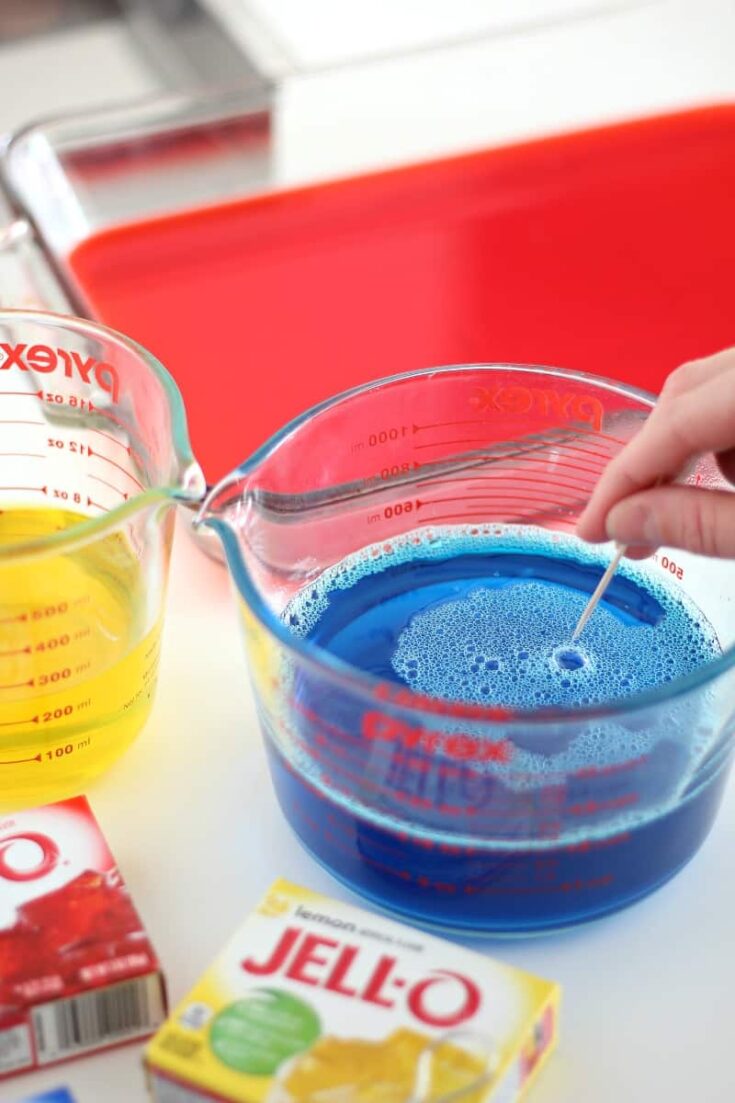
- Initial Dissolution: Pour the 3 oz gelatin package into a mixing bowl, add the 3/4 cup of boiling water, and whisk continuously for exactly 2 minutes until all granules are completely dissolved.
- Temperature Reduction: Stir the 1/2 cup of cold water directly into the hot gelatin mixture to jumpstart the cooling process.
- Chilling & Setting: Transfer the liquid into the prepared baking dish and refrigerate for a minimum of 2 hours until the block is completely firm to the touch.
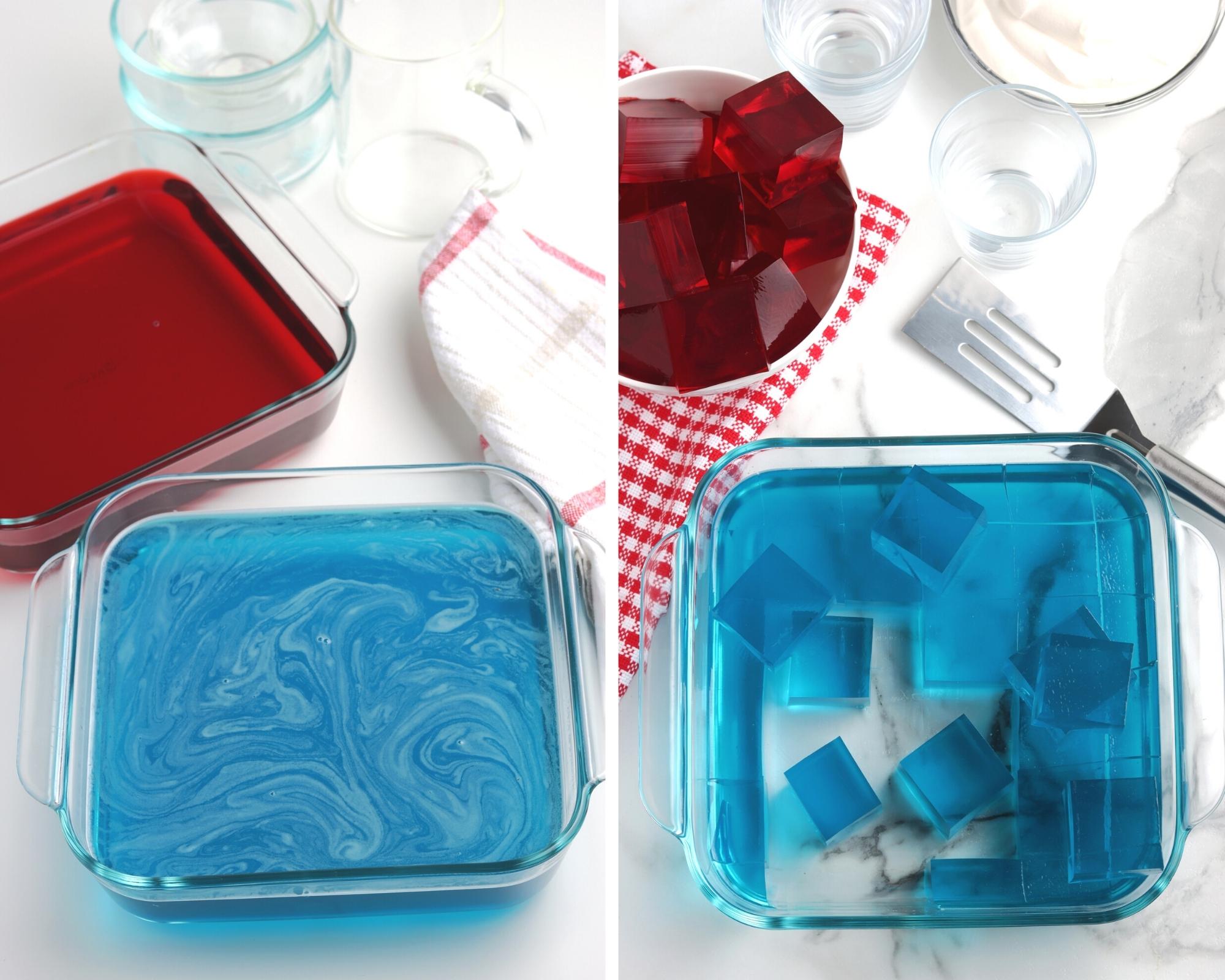
- Unmolding & Cutting: Dip the bottom of the baking dish into warm water for 10 seconds, loosen the edges with a wet knife, and slice into clean squares or use metal cookie cutters.
Optimal Gelatin Hydration Temperature: Water heated between 200°F and 212°F ensures complete molecular dispersion of commercial gelatin granules without scorching the protein structure. — Harold McGee, On Food and Cooking
Chef’s Technique & Serving Recommendations
For pristine, professional-grade edges, wipe the knife blade with a damp paper towel between every single cut. Serve these chilled finger foods immediately upon un-molding to prevent surface dehydration. They pair wonderfully alongside fruit platters or as a playful addition to creative desserts-baking spreads. For alternative menu inspiration, explore savory options like chicken-recipes or refreshing snacks-sides.
Frequently Asked Questions
- How long do jigglers last in the fridge?
- Store in an airtight container for up to 5 days to maintain optimal texture and prevent flavor absorption.
- Can I use fruit juice instead of water?
- Yes, substitute cold water with 100% chilled fruit juice, but avoid fresh pineapple or kiwi due to enzymes.
- Why are my jigglers sticking to the pan?
- The pan was not greased sufficiently or the warm water release step was skipped prior to cutting.
Explore Related Culinary Guides
Mastering basic techniques opens the door to countless creative culinary projects. Whether planning a formal dinner or a casual gathering, expand your repertoire with guidance from cooking-methods or sweet creations found across WillyRecipes.com.
Quick Wiring Specifications & Terminal Guide
| Component / Circuit | Standard Wire Gauge | Recommended Protection |
|---|---|---|
| Control & Trigger Signals | 18 – 20 AWG | 5A – 7.5A Inline Fuse |
| Standard Auxiliary Load | 14 – 16 AWG | 15A – 20A Circuit Breaker |
| Main Power Feed / Supply | 10 – 12 AWG | 30A – 40A Heavy-Duty Relay |
Images References