Peshwari Flatbread
If you have ever dined at your favorite local Indian restaurant, chances are you have swooned over the bread basket. Among the garlic naans and plain rotis, there is usually one magnificent outlier that smells faintly of toasted coconut and cardamom: the Peshwari flatbread. Named after the historic city of Peshawar, which sits at the crossroads of Central and South Asia, this sweet-stuffed bread is a masterclass in culinary balance. It bridges the gap between savory meal accompaniment and decadent dessert, offering a delightful contrast of textures and flavors that captivates anyone lucky enough to take a bite. Explore more in our Pasta & Rice Recipes collection.
💡 Recipe Key Takeaways:
- Core Flavor: Easy-to-follow, delicious culinary preparation for Peshwari Flatbread.
- Target Scope: Quick weeknight family dinners, home cooking, and festive meal planning.
- Chef Tip: Prep all measured ingredients in advance (mise en place) to ensure even cooking and optimal texture.
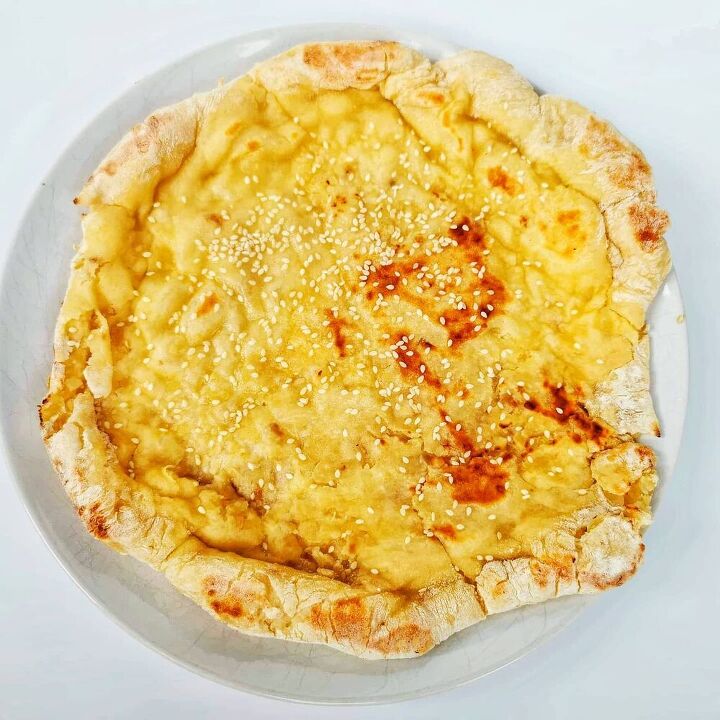
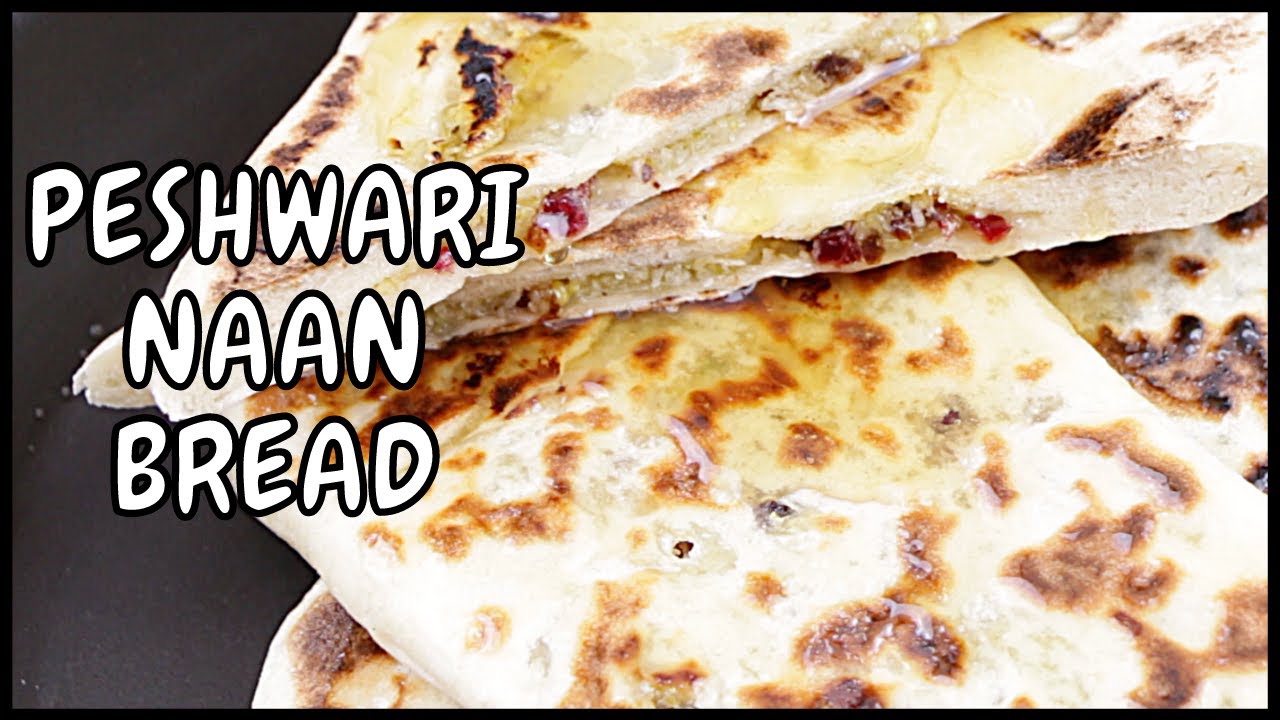
At its core, Peshwari flatbread is a pillowy, yeast-leavened dough traditionally baked in a blazing hot tandoor oven. What makes it truly special, however, is its luscious filling. A rich mixture of dried fruits, nuts, and aromatic spices—typically featuring shredded coconut, almonds, raisins, and a touch of cardamom—is tucked into the dough before it is rolled out and cooked. When heated, the sugars in the fruit and the natural oils in the nuts caramelize slightly, creating a gooey, fragrant surprise inside a soft, blistered crust. Whether you are serving it alongside a fiery chicken tikka masala or enjoying it all on its own with a hot cup of spiced chai, this flatbread is an absolute treat for the senses. For more related activities, check out our Glutinous Millet.
Ingredients
To bring this bakery-quality treat into your home kitchen, you will need a few simple pantry staples for both the dough and the sweet filling. Discover more free resources across our collection library.
For the Dough:
- 2 cups all-purpose flour (plus extra for dusting)
- 1 teaspoon active dry yeast
- 1 teaspoon sugar
- 1/2 cup warm milk
- 1/4 cup plain yogurt (room temperature)
- 2 tablespoons melted butter or ghee
- 1/2 teaspoon salt
For the Filling:
- 1/2 cup unsweetened shredded coconut
- 1/4 cup finely chopped almonds or cashews
- 1/4 cup finely chopped raisins or sultanas
- 1 tablespoon brown sugar or coconut sugar
- 1/4 teaspoon ground cardamom
- A pinch of salt
- 1 tablespoon melted butter or milk (to bind the mixture)
For Brushing:
- 2 tablespoons melted butter or ghee
- Fresh cilantro or mint for garnish (optional)
Step-by-Step Instructions
Making restaurant-style flatbread at home is a fun and rewarding process. Follow these simple steps to achieve perfect results.
- Activate the yeast: In a small bowl, combine the warm milk, sugar, and active dry yeast. Stir gently and let it sit for about 5 to 10 minutes until the mixture becomes frothy and bubbly.
- Make the dough: In a large mixing bowl, combine the all-purpose flour and salt. Create a well in the center and pour in the yeast mixture, yogurt, and melted butter. Mix everything together until a shaggy dough forms.
- Knead the dough: Turn the dough out onto a clean, lightly floured surface. Knead vigorously for about 8 to 10 minutes until it becomes smooth, elastic, and slightly tacky. Form the dough into a ball, place it in a lightly greased bowl, cover it with a damp cloth, and let it rise in a warm place for 1.5 to 2 hours, or until doubled in size.
- Prepare the filling: While the dough is rising, combine the shredded coconut, chopped almonds, raisins, brown sugar, ground cardamom, and a pinch of salt in a medium bowl. Stir in the tablespoon of melted butter or milk so the mixture holds together without being too wet. Divide the filling into 4 equal portions.
- Divide and fill: Punch down the risen dough and divide it into 4 equal portions. Roll each piece into a smooth ball. Take one ball, flatten it slightly with your palms, and use a rolling pin to create a small disk (about 4 inches wide). Place one portion of the sweet filling directly in the center. Pull the edges of the dough up and pinch them tightly together to seal the filling completely inside, forming a little pouch.
- Roll out the flatbread: Turn the stuffed dough ball seam-side down on your floured surface. Gently roll it out into an oval or circle roughly 6 to 8 inches wide. Be careful not to press too hard, or the filling might burst through the dough.
- Cook the flatbread: Heat a cast-iron skillet or heavy-bottomed frying pan over medium-high heat until very hot. Lightly brush one side of the rolled-out flatbread with water, then place it water-side down onto the hot skillet. Cook for about 1 to 2 minutes until bubbles start to form on top and the bottom is golden brown with nice char spots. Flip the flatbread and cook for another minute on the other side.
- Finish and serve: Remove the cooked flatbread from the skillet and immediately brush the top generously with melted butter or ghee. Repeat the process with the remaining dough balls. Serve warm!
Tips and Variations
Mastering Peshwari flatbread takes just a little bit of practice, and there are several ways you can customize it to suit your personal preferences.
Pro Tips for Success:
- Control the heat: Make sure your skillet is properly heated before adding the dough. If the pan is too cold, the bread will dry out instead of puffing up and getting those signature char spots.
- Seal securely: When pinching the dough around the filling, ensure there are no gaps. If the filling is exposed, the sugars will burn directly on the hot skillet and create smoke.
- Experiment with nuts: Traditional recipes use almonds and cashews, but finely chopped pistachios or walnuts also add a fantastic crunch and rich flavor.
Serving Suggestions
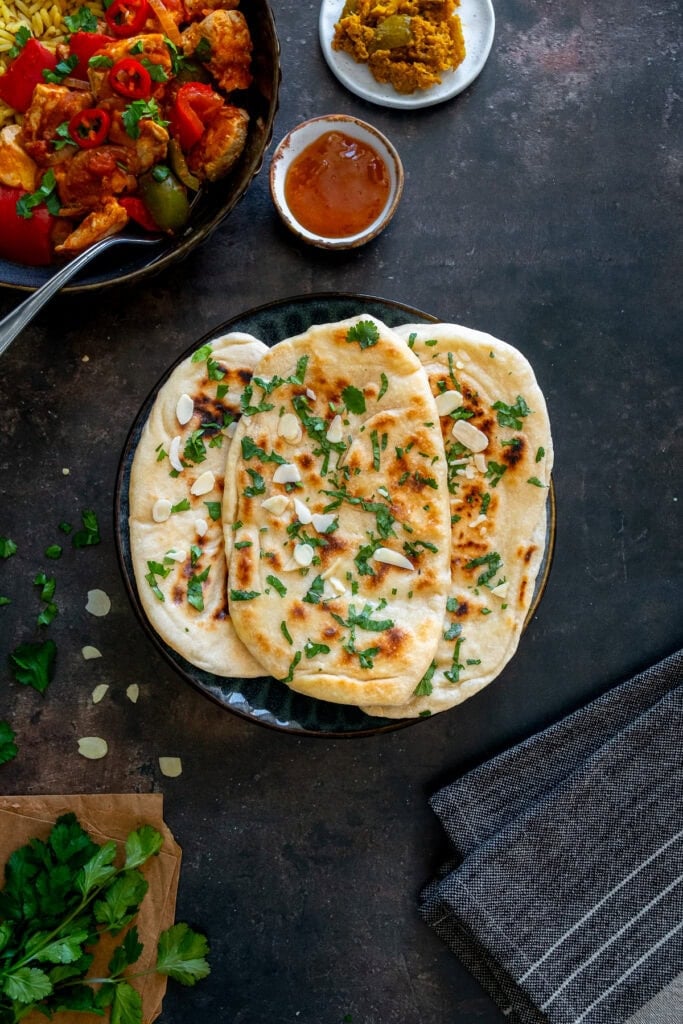
Because of its sweet and nutty profile, Peshwari flatbread makes an incredible contrast to savory, spiced dishes. Pair it with creamy curries like butter chicken, paneer tikka masala, or lamb korma, where the sweetness of the bread helps temper the heat of the spices. It is also wonderful enjoyed on its own as a mid-afternoon snack alongside a steaming cup of cardamom-infused masala chai.
Storage Instructions
While these flatbreads are undoubtedly best when eaten fresh off the skillet, you can easily save leftovers for later. Allow the cooked flatbreads to cool completely, then stack them with sheets of parchment paper in between to prevent sticking. Place them in an airtight container or a ziplock bag and store them in the refrigerator for up to 3 days, or freeze them for up to a month. To reheat, warm them in a hot, dry skillet for about 30 seconds on each side until soft and pliable again.
💬 Frequently Asked Questions
Preparation & Cooking Specifications
| Prep Step | Estimated Time | Chef’s Best Practice |
|---|---|---|
| Mise en Place & Chopping | 10 – 15 Minutes | Keep ingredients uniform for even cooking |
| Active Cooking / Searing | 15 – 25 Minutes | Preheat skillet thoroughly before adding oil |
| Resting & Plating | 5 Minutes | Allow juices to redistribute before slicing |
Images References