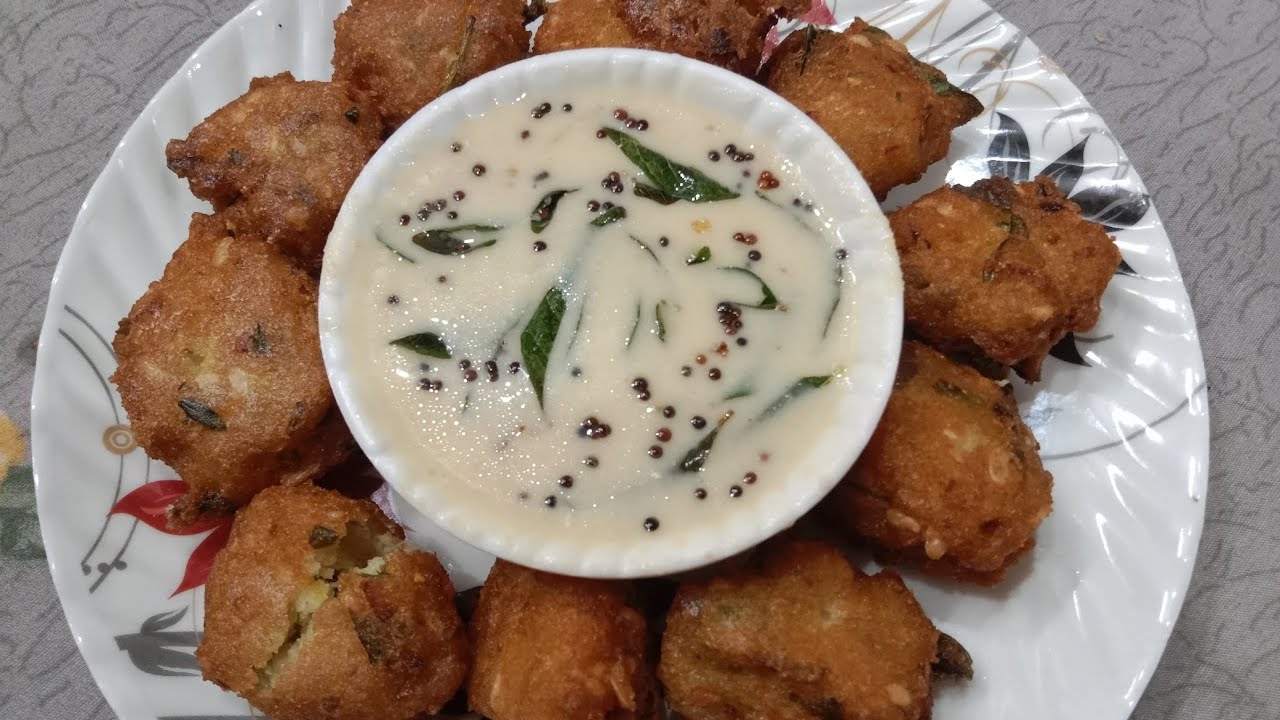
Introduction
Traditional breakfast recipes andhra style encompass vibrant, spice-forward regional dishes that emphasize fermented rice-lentil batters, sharp tamarind notes, and fiery tempering oils designed to invigorate the morning palate. According to Culinary Institute of America (CIA) Standards, maintaining precise temperature control during the natural fermentation of legume and cereal batters is critical for achieving optimal yeast activity, desirable crumb texture, and food safety stability. Exploring these regional morning staples broadens culinary repertoire, providing home cooks with time-tested methods rooted in South Indian heritage. Culinary enthusiasts seeking morning inspiration can pair these savory preparations with ideas found in Breakfast Recipes or explore contrasting global flavors through Snacks & Sides.
Culinary Prep Snapshot:
- Core Focus: Authentic preparation of South Indian regional morning specialties.
- Target Scope: Traditional home kitchens and family meal planners prioritizing bold flavors.
- Key Recommendation: Utilize long-fermentation periods for batters to maximize natural digestibility and flavor complexity.
Core Principles and Detailed Overview
Authentic Andhra morning cookery relies on the harmonious balance of pungent spices, sour agents, and earthy pulses executed through specialized heating techniques. The foundational philosophy centers on freshly ground chutneys, such as peanut or tomato-onion varieties, paired with crisp dosas, steamed idlis, or seasoned upmas. Mastering these dishes demands an understanding of heat management, particularly when tempering mustard seeds, dried red chilies, and fresh curry leaves in hot oil or ghee to release essential oils. Home cooks can also incorporate wholesome grains inspired by practices seen in Pasta & Rice Recipes to diversify morning grain selections.
Key Specifications and Breakdown
| Cooking Step / Component | Key Culinary Technique | Chef’s Quality & Food Safety Secret |
|---|---|---|
| Batter Fermentation | Controlled ambient resting | Maintain a warm environment (80°F-85°F) to encourage natural wild yeast proliferation without spoilage. |
| Spice Tempering (Talimpu) | Hot oil aromatic infusion | Add whole spices sequentially based on density to prevent delicate seeds from burning and turning bitter. |
| Griddle Control | Cast-iron seasoning and water splash | Flash-cool seasoned cast iron with water droplets to instantly drop surface temperature before spreading thin batter. |
Strict temperature control during grain-legume fermentation prevents pathogenic bacterial growth while optimizing natural organic acid production — Culinary Institute of America (CIA) Standards
Step-by-Step Practical Application and Guidelines
Executing traditional Andhra morning meals begins with soaking cleaned raw rice and urad dal separately before grinding them into a smooth, aerated consistency. The resulting batter requires adequate resting time in a draft-free location to achieve natural leavening, followed by gentle folding to preserve trapped carbon dioxide bubbles. When preparing accompaniments like tomato or ginger chutney, sautéing raw ingredients in sesame oil before stone-grinding or blending concentrates the natural flavors. Serving these dishes piping hot alongside a traditional tempering ensures maximum sensory appeal and culinary authenticity.
Common Challenges and How to Avoid Them
Preventing batter failure and achieving a non-stick griddle surface remain the primary hurdles for home cooks mastering regional South Indian breakfasts. If a fermented batter fails to rise, environmental temperatures are likely too low, requiring relocation to a pre-warmed, unlit oven with the internal light on. When dosas stick to the cooking surface, the cast-iron skillet requires re-seasoning with high-smoke-point oil followed by thorough cleaning and drying after every use. Maintaining vigilance over oil temperature during the tempering phase eliminates bitterness in the finished dish.
💬 Frequently Asked Questions
Explore More Time-Tested Home Recipes on WillyRecipes
Expanding culinary horizons with regional comfort foods provides endless inspiration for family kitchens and passionate home cooks alike. Discover additional comforting techniques, baking projects, and wholesome meal ideas by browsing the extensive recipe archives available at WillyRecipes.com.
Recipe Step Photos & Variations