Introduction
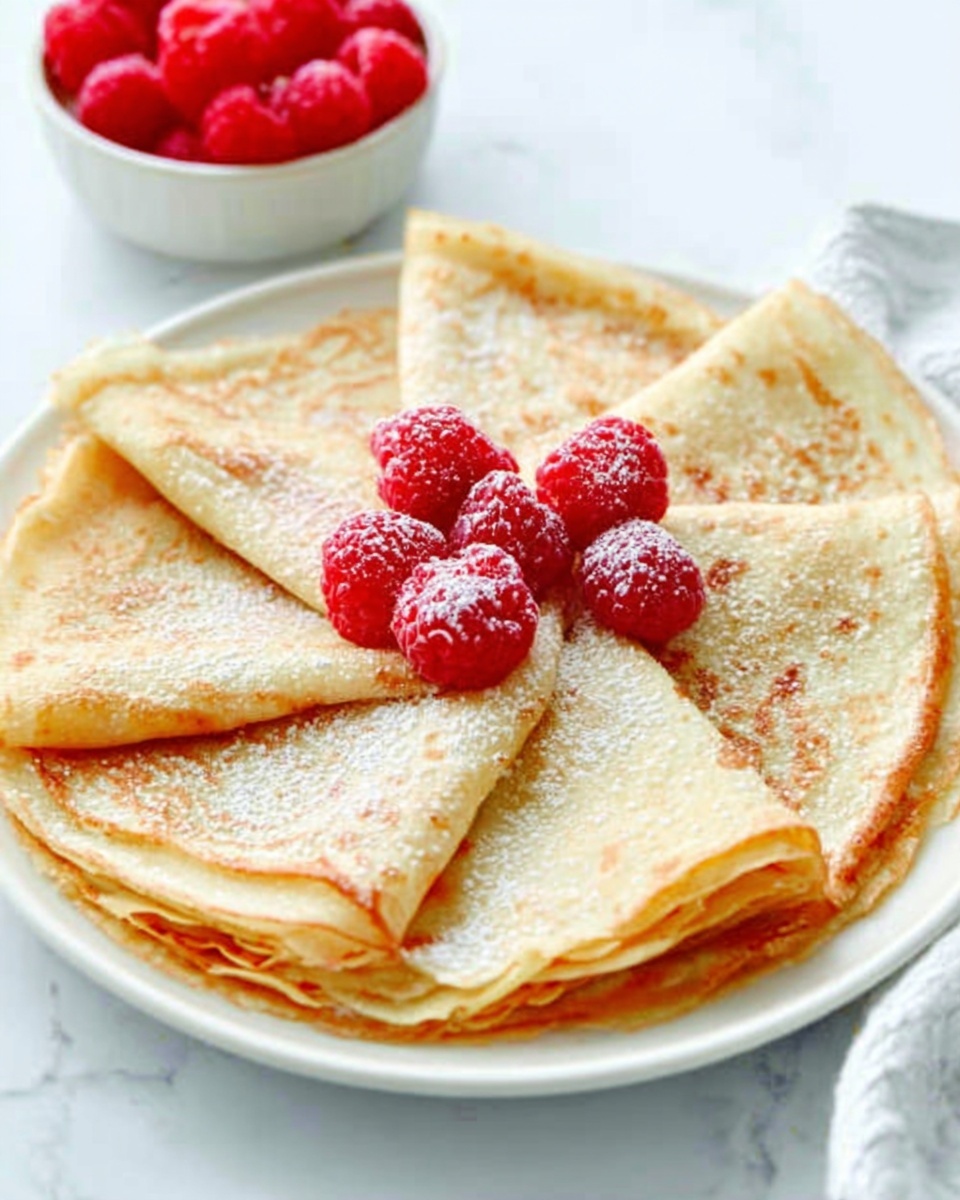
Breakfast recipes crepes represent the pinnacle of traditional French comfort food, offering delicate, paper-thin pancakes designed to encase both sweet and savory morning fillings. According to Culinary Institute of America (CIA) Standards, achieving the ideal crepe texture relies on a properly rested batter that allows flour starches to fully hydrate and gluten strands to relax. Mastering this classic morning dish transforms simple pantry staples like flour, eggs, and milk into an elegant foundation for traditional family breakfasts. Exploring these techniques elevates standard morning routines into refined culinary experiences found within expert collections like Breakfast Recipes.
Culinary Prep Snapshot:
- Core Focus: Crafting traditional thin breakfast crepes with professional texture and flavor balance.
- Target Scope: Traditional home-style comfort cooking for family breakfast planners and baking enthusiasts.
- Key Recommendation: Rest batter for at least thirty minutes before cooking to ensure tender, pliable results.
Core Principles and Detailed Overview
Traditional breakfast recipes crepes demand a precise balance of hydration and fat to prevent toughness while ensuring the batter spreads uniformly across a hot skillet. The foundation begins by whisking all-purpose flour, room-temperature eggs, whole milk, melted butter, and a pinch of salt until completely smooth, eliminating any unwanted lumps. Thoroughly resting this liquid batter at ambient temperature is non-negotiable; this waiting period permits the starch granules to swell and absorb the surrounding moisture. Utilizing specialized Cooking Methods & Appliances, such as a well-seasoned cast-iron crepe pan or a traditional flat-bottomed skillet, guarantees optimal heat distribution and prevents sticking during the delicate flipping stage.
Key Specifications and Breakdown
| Cooking Step / Component | Key Culinary Technique | Chef’s Quality & Food Safety Secret |
|---|---|---|
| Batter Formulation | Gentle whisking to incorporate wet and dry ingredients without overworking gluten. | Strain the finished liquid batter through a fine-mesh sieve to eliminate microscopic lumps. |
| Pan Preparation | Moderate-high heat application with a minimal wipe of clarified butter or oil. | Wipe excess fat with a paper towel; pooling oil creates fried spots rather than smooth crepes. |
| Cooking & Flipping | Swirling thin batter rapidly and lifting edges with a thin spatula when golden. | Maintain consistent pan temperature between pours to prevent scorching or rubbery textures. |
Batter resting is essential because enzymatic activity and starch hydration directly dictate the structural elasticity and tenderness of the finished crepe. — Culinary Institute of America (CIA) Standards
Step-by-Step Practical Application and Guidelines
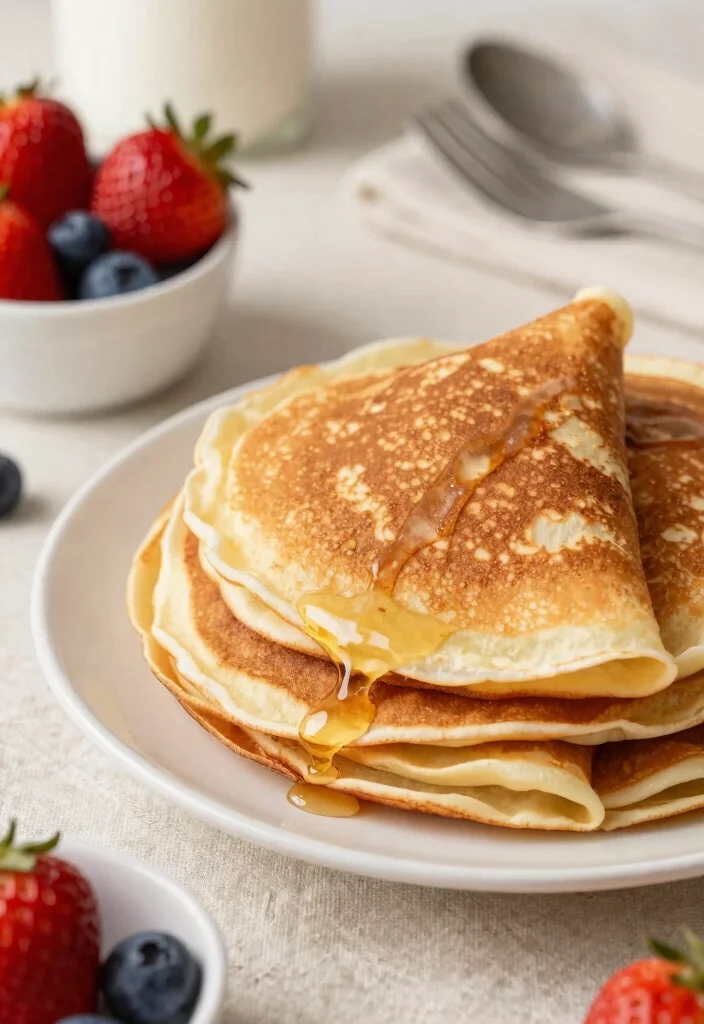
Executing breakfast recipes crepes successfully requires a rhythmic motion of pouring, swirling, and precise timing. Pour roughly three tablespoons of batter into the center of a preheated, lightly buttered skillet, immediately swirling the pan in a circular motion to coat the entire bottom surface in a translucent layer. Cook undisturbed for approximately sixty to ninety seconds until the edges turn golden brown and begin to lift away from the metal. Gently slide a thin offset spatula underneath, flip the crepe with confidence, and cook for an additional thirty seconds on the reverse side. Stack the finished crepes on a warm plate under a clean kitchen towel to retain moisture and pliability before adding traditional fillings such as fresh berries, fruit preserves, or melted butter and sugar.
Common Challenges and How to Avoid Them
Tear-prone or rubbery textures in breakfast recipes crepes typically stem from rushed resting times, incorrect pan temperatures, or an overabundance of flour relative to liquid. If the batter proves too thick to spread into a thin, cohesive circle, whisking in an additional tablespoon of milk restores the proper pouring consistency. Sticking occurs when the cooking surface lacks adequate seasoning or temperature control; ensure the pan achieves a steady, moderate heat before introducing the first round of batter. Maintaining patience between pours prevents hotspots and guarantees that every individual crepe achieves that signature delicate, lacy edge beloved in classic home kitchens.
💬 Frequently Asked Questions
Explore More Time-Tested Home Recipes on WillyRecipes
Mastering traditional comfort foods extends far beyond morning pastries into hearty dinners, wholesome sides, and classic baking projects. Home cooks seeking further inspiration can explore comprehensive collections, helpful culinary guides, and old-fashioned techniques curated across WillyRecipes.com to elevate everyday family cooking.
Recipe Step Photos & Variations