Introduction
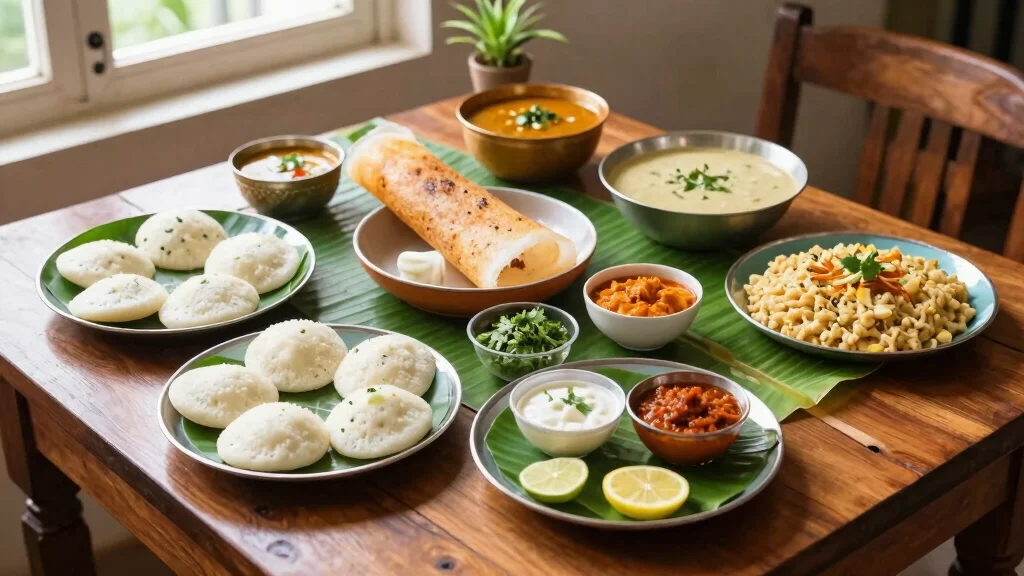
Traditional Indian breakfast recipes represent a diverse culinary heritage anchored in fermented grains, aromatic whole spices, and balanced morning nourishment. According to Harold McGee’s Food Science Benchmarks, traditional culinary fermentation processes significantly enhance the bioavailability of essential nutrients while creating complex flavor profiles through controlled microbial activity. Mastering these time-tested morning dishes requires an appreciation of regional techniques, ranging from the crisp textures of South Indian crepes to the comforting warmth of North Indian stuffed wheat flatbreads. Home cooks seeking wholesome morning options frequently explore curated collections such as Breakfast Recipes to expand domestic repertoires with authentic global flavors.
Culinary Prep Snapshot:
- Core Focus: Traditional Indian breakfast recipes featuring fermented batters, spiced flatbreads, and nutrient-dense grain porridges.
- Target Scope: Everyday home-style comfort cooking aimed at delivering sustained morning energy and digestive wellness.
- Key Recommendation: Prioritize natural fermentation timings and precise spice-blooming techniques for optimal flavor extraction.
Core Principles and Detailed Overview
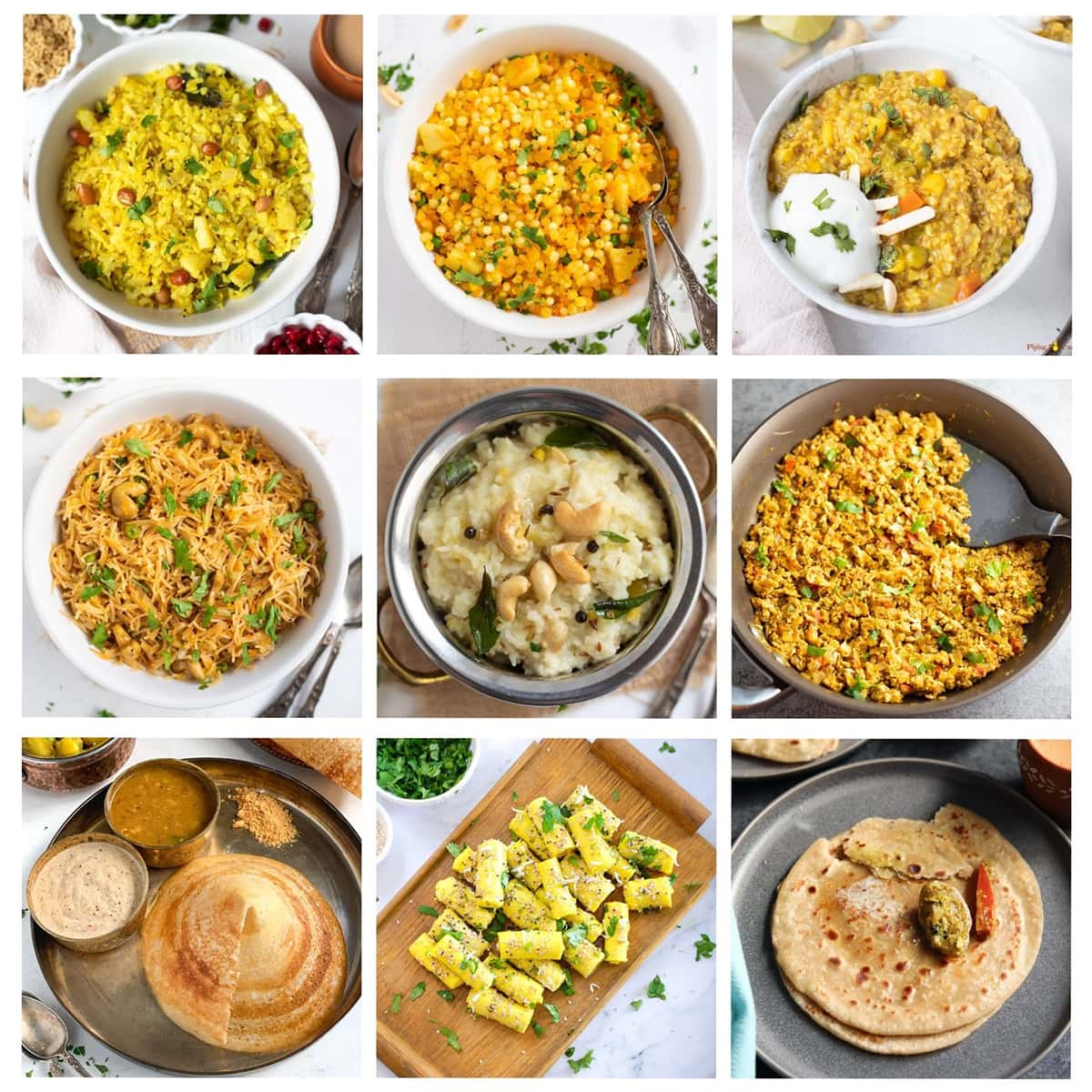
Traditional Indian breakfast recipes rely heavily on the foundational chemistry of wet-grinding lentils and rice, followed by ambient fermentation to achieve light, digestible textures. Direct heat application, such as tempering whole mustard seeds and curry leaves in hot oil, releases fat-soluble aromatics that form the backbone of savory dishes like flattened rice upma and semolina kheer. Kitchen practitioners balance complex carbohydrate bases with protein-rich legumes to maintain steady glycemic responses throughout the morning hours. For additional inspiration regarding lighter morning plates and savory sides, home cooks can consult Snacks & Sides.
Key Specifications and Breakdown
| Cooking Step / Component | Key Culinary Technique | Chef’s Quality & Food Safety Secret |
|---|---|---|
| Batter Fermentation | Ambient wild-yeast incubation | Maintain a stable temperature range of 75°F to 85°F to ensure uniform leavening without spoilage. |
| Spice Tempering (Tadka) | Hot oil fat-infusion | Add seeds incrementally to prevent scorching, ensuring delicate asafoetida and mustard seeds release oils without burning. |
| Flatbread Rolling | Multi-layer dough lamination | Rest unleavened dough for at least twenty minutes to relax gluten strands before rolling stuffed parathas. |
Strict temperature control during grain and legume soaking prevents unwanted bacterial proliferation while maximizing natural enzymatic activity. — USDA Food Safety and Inspection Service (FSIS)
Step-by-Step Practical Application and Guidelines
Executing authentic Indian morning meals requires methodical preparation, starting with the overnight soaking of foundational ingredients like parboiled rice, urad dal, or whole wheat flour. The subsequent grinding stage demands cold water integration to mitigate frictional heat generated by traditional stone or mechanical grinders, thereby protecting delicate starches. Cooking vessels must be properly seasoned—cast iron pans are essential for achieving the characteristic lace-like crispness of dosas without sticking. Home culinary enthusiasts can further refine their mastery of various heat applications by reviewing Cooking Methods & Appliances.
Common Challenges and How to Avoid Them
Dense batters, unevenly cooked flatbreads, and scorched spice tempers represent the most frequent pitfalls encountered during the preparation of traditional Indian morning dishes. Over-fermented batters develop an excessively sour profile, which can be corrected by folding in a pinch of baking soda or fresh batter just prior to cooking. Conversely, failing to achieve sufficient pan heat before pouring fermented batters results in tearing and sticking on cast iron surfaces. Maintaining consistent flame control and utilizing accurate ingredient ratios guarantee predictable, restaurant-quality results in any home kitchen.
💬 Frequently Asked Questions
Explore More Time-Tested Home Recipes on WillyRecipes
Mastering traditional global comfort foods opens up a world of culinary possibilities for family meal planning and everyday home cooking. Enthusiasts are encouraged to explore the comprehensive archives and discover hundreds of reliable dishes by visiting WillyRecipes.com for continuous inspiration.
Recipe Step Photos & Variations