Introduction
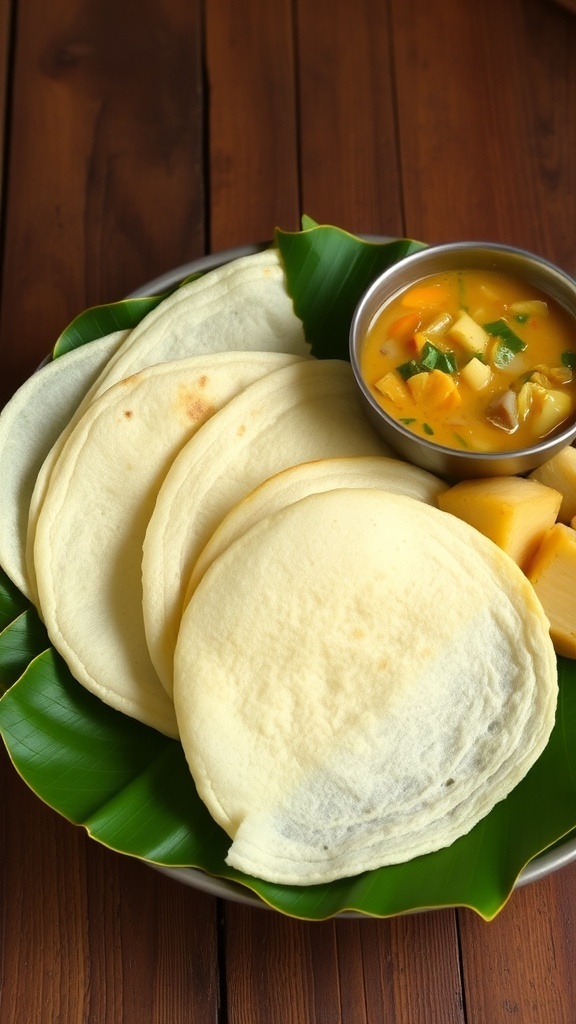
Traditional breakfast recipes kerala style represent a harmonious fusion of tropical aromatics, fermented grains, and time-tested culinary techniques designed to nourish families with wholesome morning energy. According to Culinary Institute of America (CIA) Standards, utilizing proper heat regulation and traditional vessel materials ensures the preservation of delicate volatile oils in indigenous spice blends. Mastering these age-old morning preparations involves balancing coconut textures, sharp mustard seeds, and naturally fermented batters to achieve authentic regional comfort food. Exploring these heritage dishes elevates ordinary kitchen routines into a celebration of South Indian culinary heritage, perfectly complementing broader global collections found within Breakfast Recipes.
Culinary Prep Snapshot:
- Core Focus: Authentic breakfast recipes kerala style featuring fermented batters, fresh coconut, and whole spices.
- Target Scope: Traditional home-style cooking for family breakfasts and comfort food enthusiasts.
- Key Recommendation: Maintain precise ambient fermentation temperatures and use heavy-bottomed cast-iron griddles for optimal textures.
Core Principles and Detailed Overview
Authentic breakfast recipes kerala style rely on a careful synergy of raw ingredients where fresh grated coconut and fermented rice-lentil bases dictate the flavor profile. Direct answer to achieving the ideal texture lies in utilizing ambient kitchen heat for natural microbial action rather than commercial chemical leaveners. Signature staples like appam, puttu, and idiyappam demand specific equipment, such as conical steaming vessels and seasoned concave pans, which distribute steam and heat evenly. Furthermore, tempering basic side dishes with curry leaves, mustard seeds, and unrefined coconut oil establishes the unmistakable aromatic signature inherent in every traditional Malabar morning feast.
Key Specifications and Breakdown
| Cooking Step / Component | Key Culinary Technique | Chef’s Quality & Food Safety Secret |
|---|---|---|
| Appam Batter Fermentation | Wild yeast activation using toddy or cooked rice mash | Keep fermentation vessels in a draft-free environment maintained at 28-32°C to prevent bacterial spoilage. |
| Puttu Layering | Alternating coarse rice flour and fresh grated coconut | Hydrate the flour to a damp-sand consistency without packing it tightly to allow unobstructed steam channels. |
| Stew (Kurma) Base | Gentle simmering with extracted coconut milk | Never allow secondary and thick coconut milks to boil aggressively after addition to prevent protein curdling. |
Proper heat control and hygienic raw material handling are paramount when utilizing perishable coconut extracts and fermented dairy or grain components in traditional humid environments — USDA Food Safety and Inspection Service (FSIS)
Step-by-Step Practical Application and Guidelines
Executing breakfast recipes kerala style requires a methodical approach to ingredient preparation, starting the night before with soaking grains and lentils for batters. Direct answer to successful morning execution involves prepping dry spice elements and grating fresh coconut in advance to streamline the active cooking window. When steaming cylindrical puttu cakes or lacy appam pancakes, ensure the water chamber reaches a rolling boil before mounting the vessel to guarantee immediate steam penetration. Serve these warm preparations immediately alongside savory vegetable stews or spiced egg roasts, drawing inspiration from hearty dishes featured in Vegetarian & Vegan selections.
Common Challenges and How to Avoid Them
Common failures in breakfast recipes kerala style typically stem from improper batter consistency, insufficient steam pressure, or overheating coconut milk. Direct answer to troubleshooting a dense, heavy appam is adjusting the hydration level and incorporating a small pinch of baking soda only immediately before cooking if natural fermentation is sluggish. To prevent puttu from turning into a dense solid lump, ensure the flour is thoroughly aerated by hand before packing it loosely into the metal cylinder. Always monitor flame intensity when simmering coconut-based gravies, keeping temperatures at a gentle simmer to maintain a velvety, smooth emulsion.
💬 Frequently Asked Questions
Explore More Time-Tested Home Recipes on WillyRecipes
Embracing traditional heritage cooking opens up a world of authentic flavors, comforting textures, and dependable culinary techniques for the modern home kitchen. Continuing the culinary exploration across diverse global traditions ensures every family meal remains exciting, nutritious, and deeply satisfying. Discover additional comforting dishes, baking projects, and everyday meal inspirations by visiting the main recipe index at WillyRecipes.com.
Recipe Step Photos & Variations