Introduction
Breakfast recipes meal prep involves the strategic advance preparation, batch cooking, and scientific cold storage of traditional morning meals to guarantee fast, nourishing dining throughout busy weekdays. According to the USDA Food Safety and Inspection Service (FSIS), cooked perishable breakfast ingredients must be cooled rapidly and stored at temperatures below 40°F (4°C) to prevent bacterial proliferation and maintain optimal structural integrity. Embracing time-tested heritage cooking methods allows home kitchens to streamline morning routines without sacrificing the comforting textures and rich flavors characteristic of old-fashioned country fare. Exploring curated collections such as Breakfast Recipes helps meal planners design balanced weekly menus centered around hearty porridges, savory egg bakes, and spiced quick breads.
Culinary Prep Snapshot:
- Core Focus: Strategic batch-cooking and storage of traditional morning dishes.
- Target Scope: Family meal planners and heritage comfort food enthusiasts seeking efficient morning routines.
- Key Recommendation: Cool cooked starches and proteins completely before sealing to eliminate moisture condensation and soggy textures.
Core Principles and Detailed Overview
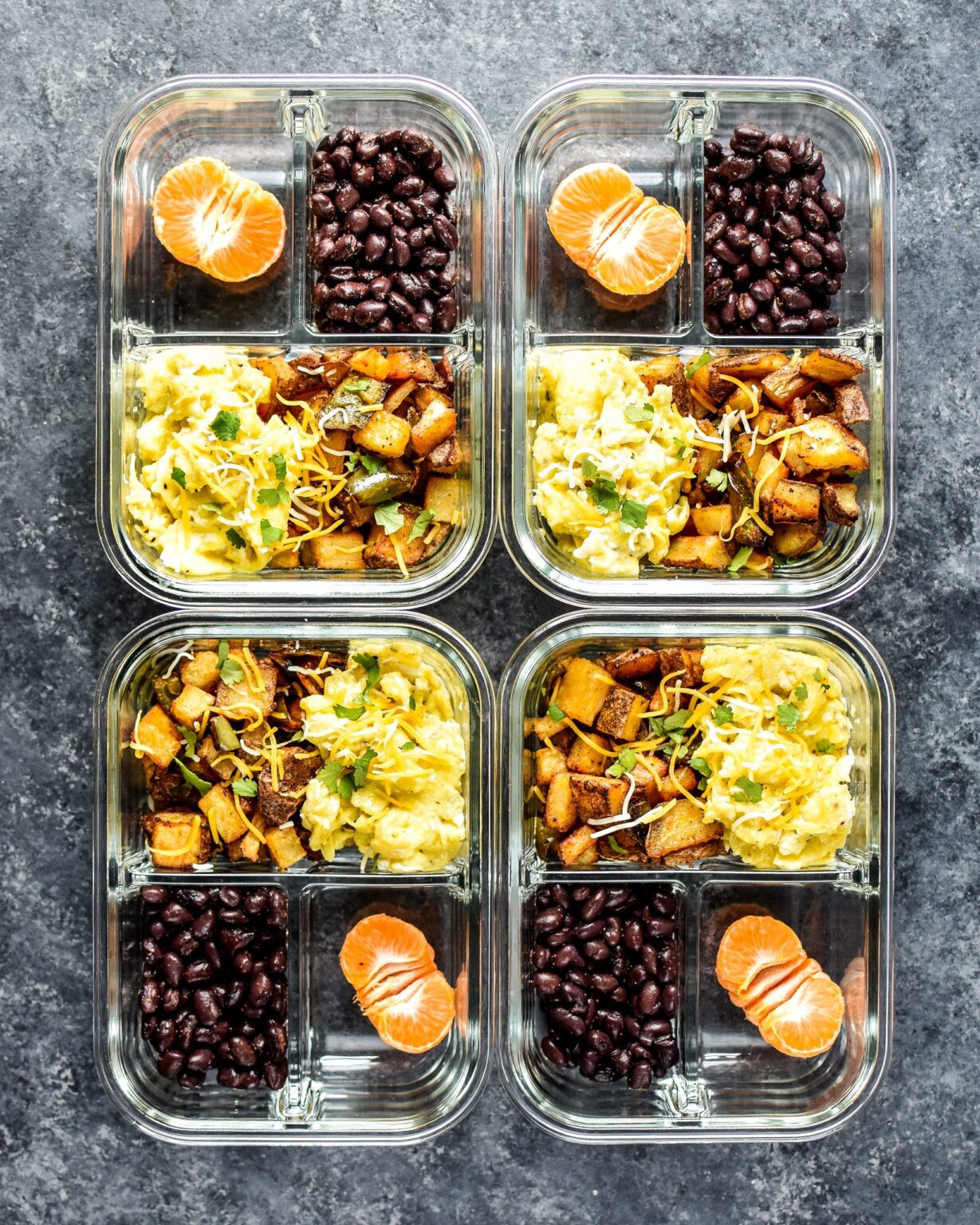
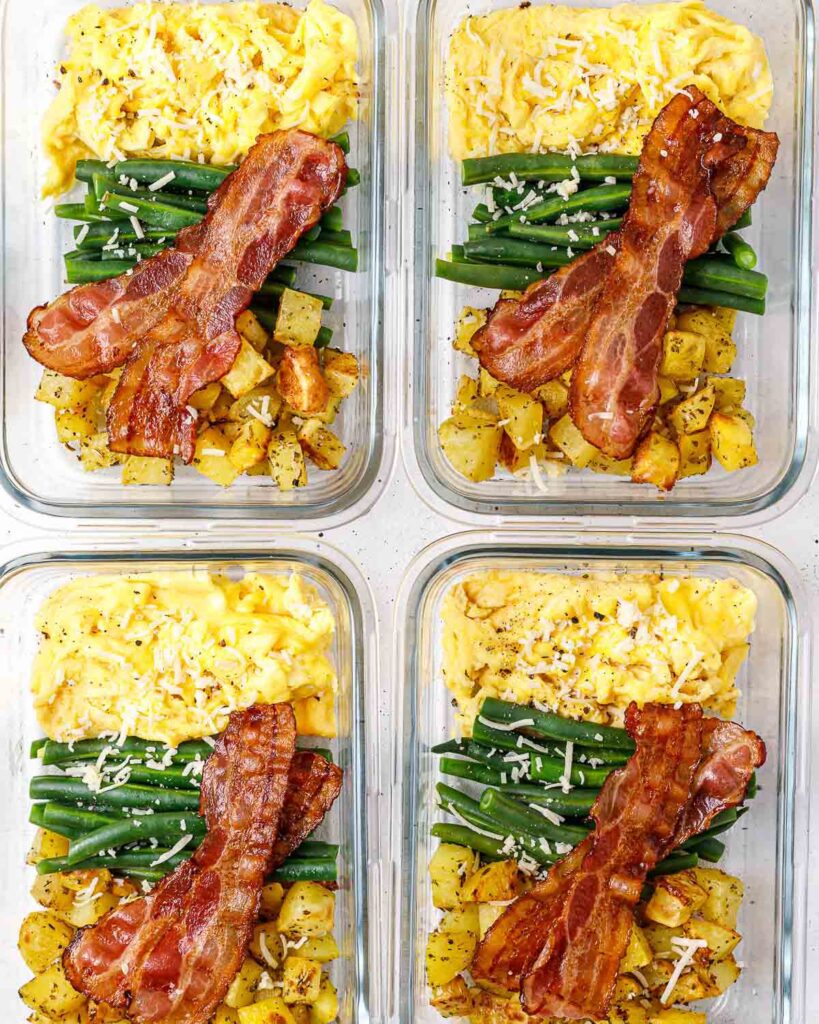
Breakfast recipes meal prep requires a thorough understanding of ingredient behavior under thermal cycling, moisture migration control, and proper container selection. Traditional comfort foods like skillet potato hashes, baked oatmeal, and heritage breakfast sausages respond exceptionally well to advance preparation when thermal shock is minimized and proper cooling protocols are observed. Professional kitchens rely on shallow storage vessels to drop internal product temperatures through the food danger zone rapidly before transferring items to air-tight glass or heavy-duty containers. Integrating structured prep sessions into a weekend routine preserves the integrity of dense grains and cured meats, ensuring that reheating revitalizes rather than ruins the original rustic character of the dish.
Key Specifications and Breakdown
| Cooking Step / Component | Key Culinary Technique | Chef’s Quality & Food Safety Secret |
|---|---|---|
| Root Vegetable Hash | Partial par-boiling followed by high-heat cast-iron searing | Dry boiled tubers thoroughly on kitchen towels to achieve a crisp exterior crust. |
| Baked Egg Casseroles | Gentle water-bath baking and immediate flash chilling | Pull the dish from the oven slightly underdone to prevent rubbery protein coagulation during reheating. |
| Heritage Grain Porridges | Slow liquid absorption with toasted aromatics | Stir in fats after cooking rather than during the simmer to maintain distinct grain separation. |
Perishable foods cooked for advance storage must be maintained at safe internal refrigeration temperatures below 40°F (4°C) and consumed within three to four days. — USDA Food Safety and Inspection Service (FSIS)
Step-by-Step Practical Application and Guidelines
Executing breakfast recipes meal prep successfully begins with a methodical approach to mise en place, thermal management, and sequential assembly. Prioritize sturdy components such as cured pork selections sourced from Beef & Pork Recipes, dense root vegetables, and whole-grain batters that withstand multiple days of refrigeration without losing structural integrity. Cook all components thoroughly, spread them across wide sheet pans to release steam, and allow them to reach room temperature before packaging. Label every container clearly with the preparation date, and utilize gentle reheating methods such as low-wattage oven warming or heavy skillet steaming to restore original moisture levels.
Common Challenges and How to Avoid Them
Preventing soggy textures and rubbery proteins represents the primary challenge when mastering breakfast recipes meal prep in a traditional home kitchen. Excess moisture released from vegetables or dairy during refrigeration will ruin a crisp casserole or fried hash unless ingredients are thoroughly drained and cooled uncovered prior to sealing. Reheating at excessively high microwave wattages often toughens eggs and dries out baked goods; instead, introduce a splash of broth, milk, or water and cover dishes tightly to trap steam during the warming phase. Utilizing reliable equipment detailed under Cooking Methods & Appliances ensures precise temperature control across both initial batch cooking and subsequent reheating stages.
💬 Frequently Asked Questions
Explore More Time-Tested Home Recipes on WillyRecipes
Mastering efficient morning routines opens the door to exploring countless heritage dishes, scratch-made baking projects, and hearty comfort foods designed to bring families together around the dining table. Enthusiasts are encouraged to browse the comprehensive culinary library hosted at WillyRecipes.com for continuous inspiration and dependable traditional recipes.
Recipe Step Photos & Variations