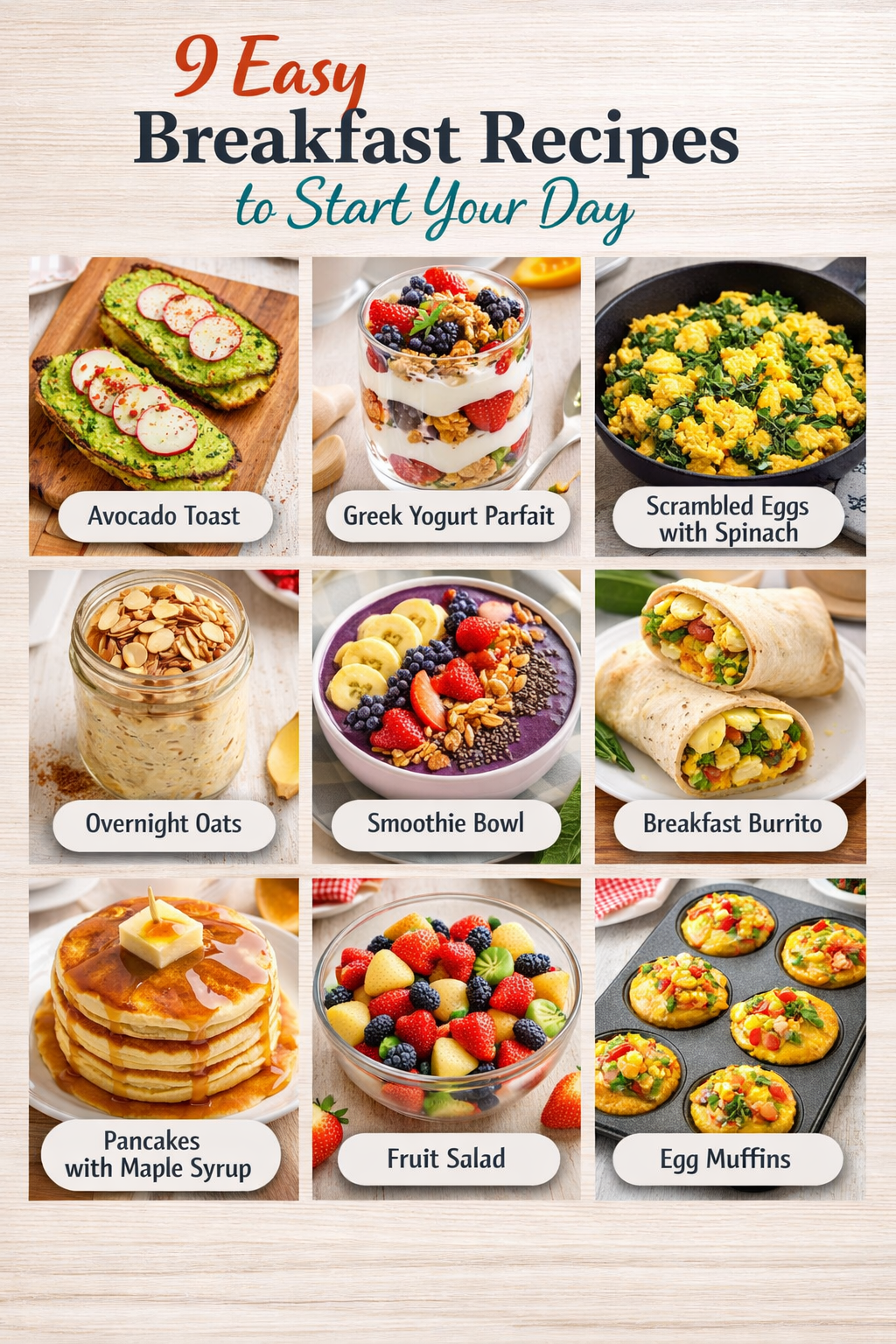
Introduction
A structured breakfast recipes menu establishes a dependable morning routine by combining time-tested comfort food classics with efficient meal planning. According to the United States Department of Agriculture (USDA) Food Safety and Inspection Service (FSIS), maintaining correct internal cooking temperatures for proteins like eggs, sausage, and bacon is essential for safe food preparation. Building a reliable morning menu requires balancing rich, hearty traditional flavors with precise timing to ensure hot dishes arrive on the table simultaneously. Home cooks looking to expand their morning culinary repertoire often explore curated collections such as the Breakfast Recipes category for foundational inspiration.
Culinary Prep Snapshot:
- Core Focus: A planned rotation of traditional morning comfort foods designed for efficiency.
- Target Scope: Family-style breakfast and weekend morning meal assembly.
- Key Recommendation: Prep dry baking mixes and pre-portion proteins the evening before.
Core Principles and Detailed Overview
Traditional breakfast recipes menus rely heavily on foundational cooking techniques that maximize flavor extraction and texture contrast. Cast iron skillets, heavy-bottomed griddles, and Dutch ovens serve as the primary cookware for achieving the coveted crispy exterior and tender interior characteristic of heritage comfort food. Balancing heat management across multiple pans prevents scorching while allowing fats to render properly from cured pork products, which in turn provides the ideal cooking medium for pan-frying potatoes or eggs. Mastering these old-fashioned fundamentals guarantees consistent results without relying on modern culinary shortcuts.
Key Specifications and Breakdown
| Cooking Step / Component | Key Culinary Technique | Chef’s Quality & Food Safety Secret |
|---|---|---|
| Cast Iron Griddle Preheating | Dry radiant heat distribution | Heat the metal gradually for 10 minutes to prevent thermal shock and sticking. |
| Country Sausage Gravy | Roux stabilization and milk tempering | Whisk cold whole milk slowly into hot roux to avoid lumps and achieve velvety consistency. |
| Flaky Buttermilk Biscuits | Cold fat lamination and minimal mixing | Keep butter frozen and fold dough layers to generate steam pockets during high-heat baking. |
Cook whole eggs until both the white and the yolk are completely firm, and hold cooked hot foods at 140°F or higher. — USDA Food Safety and Inspection Service (FSIS)
Step-by-Step Practical Application and Guidelines
Executing a cohesive morning spread demands strategic staging and chronological task prioritization. Begin by setting the oven to preheat and gathering all shelf-stable ingredients, followed by measuring out fats and liquids. Prepare items that require longer cooking times, such as baked casseroles or thick-cut bacon, before turning attention to fast-cooking items like scrambled eggs or toast. Utilizing specialized Cooking Methods & Appliances ensures that every component reaches optimal serving temperature at the exact same moment.
Common Challenges and How to Avoid Them
Overcrowding the skillet is the primary error that leads to soggy textures and uneven browning during morning meal preparation. Cooking breakfast meats or pancakes in small, manageable batches preserves pan heat and allows moisture to evaporate efficiently. Furthermore, monitoring dairy-based gravies closely over medium-low heat prevents scorching at the bottom of the pan while thickening occurs naturally. Maintaining patience and respecting heat thresholds guarantees professional-quality flavors in any home kitchen.
💬 Frequently Asked Questions
Explore More Time-Tested Home Recipes on WillyRecipes
Mastering traditional morning meals opens the door to a wide world of comforting culinary traditions for the home table. Enthusiasts can discover endless inspiration across various categories by visiting the main index at WillyRecipes.com to elevate every single family meal.
Recipe Step Photos & Variations