Introduction
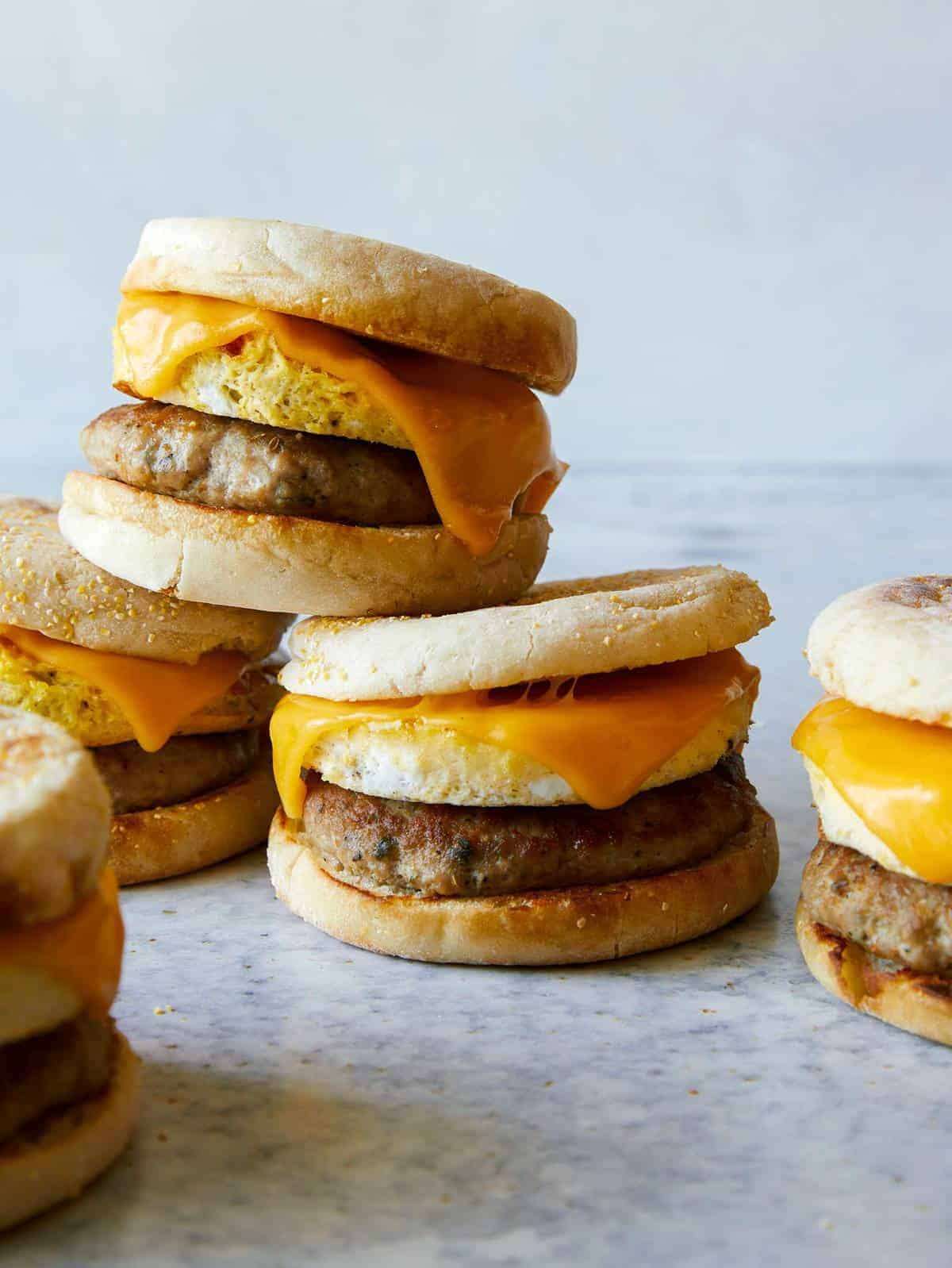
Breakfast recipes to freeze provide reliable morning convenience when structured around time-tested batch cooking and proper moisture control. According to USDA Food Safety and Inspection Service (FSIS) standards, maintaining foods at a constant sub-zero freezer temperature ensures absolute culinary safety while preserving structural integrity for months. Mastering old-fashioned comfort food storage transforms rushed mornings into effortless transitions, utilizing traditional culinary techniques like flash-chilling and vacuum-sealing. Comprehensive guidance on morning meal preparation connects directly to standard Breakfast Recipes collections designed for busy households.
Culinary Prep Snapshot:
- Core Focus: Batch-preparing and preserving traditional home-style morning meals for future consumption.
- Target Scope: Family meal planners and home cooks seeking efficient, old-fashioned comfort food solutions.
- Key Recommendation: Flash-chill components entirely on baking sheets before final packaging to prevent ice crystal formation.
Core Principles and Detailed Overview
Successful freezer-friendly morning meals require deliberate ingredient selection and moisture management to withstand sub-zero storage without losing texture. Traditional breakfast items like sausage biscuits, quiches, and baked oatmeal rely on starches and proteins that maintain structural integrity when reheated correctly. Fat acts as a natural moisture barrier, making butter-enriched pastry crusts and whole-milk gravies superior candidates for prolonged cold storage compared to watery vegetables or delicate egg whites. Implementing proper Cooking Methods & Appliances ensures that items such as cast-iron skillets and heavy-duty sheet pans achieve the necessary thermal transfer during initial baking.
Key Specifications and Breakdown
| Cooking Step / Component | Key Culinary Technique | Chef’s Quality & Food Safety Secret |
|---|---|---|
| Baked Casseroles | Rapid chilling in shallow metal pans | Prevent bacterial growth by dropping internal temperature below 40°F within two hours. |
| Breakfast Burritos | Parchment paper and foil wrapping | Absorb excess steam during reheating to keep flour tortillas from becoming soggy. |
| Biscuit Dough | Flash-freezing individual portions | Lock in butter layers to guarantee flaky rise upon subsequent oven baking. |
Maintain freezer storage temperatures at or below 0°F (-18°C) to safely preserve food quality and halt microbial growth indefinitely. — USDA Food Safety and Inspection Service (FSIS)
Step-by-Step Practical Application and Guidelines
Executing freezer meal preparation effectively demands absolute adherence to thermal cooling and airtight packaging protocols. Baked items must cool completely on wire racks to room temperature before enclosure, eliminating internal condensation that causes freezer burn. Wrapping each individual portion tightly in butcher paper followed by heavy-duty aluminum foil blocks ambient air exposure. Reheating frozen components benefits from low-temperature oven baking rather than microwave thawing, which restores the characteristic crisp exterior and tender crumb expected from heritage home cooking.
Common Challenges and How to Avoid Them
Soggy textures and rubbery eggs represent the primary failures encountered when freezing traditional breakfast components. Excess moisture released during the thawing process ruins pastries and scrambles, requiring cooks to incorporate starchy binders like grated potatoes or cheese to absorb surplus liquids. Overcooking components during initial preparation also leads to dry results upon reheating, so home cooks should intentionally under-bake dishes by approximately ten percent to account for the secondary thermal exposure during final warming.
💬 Frequently Asked Questions
Explore More Time-Tested Home Recipes on WillyRecipes
Expanding household culinary repertoires beyond morning meals proves straightforward through the comprehensive archives maintained at WillyRecipes.com. Traditional home cooks find inspiration spanning heritage comfort foods, baking fundamentals, and seasonal family dinners designed for everyday practicality.
Recipe Step Photos & Variations