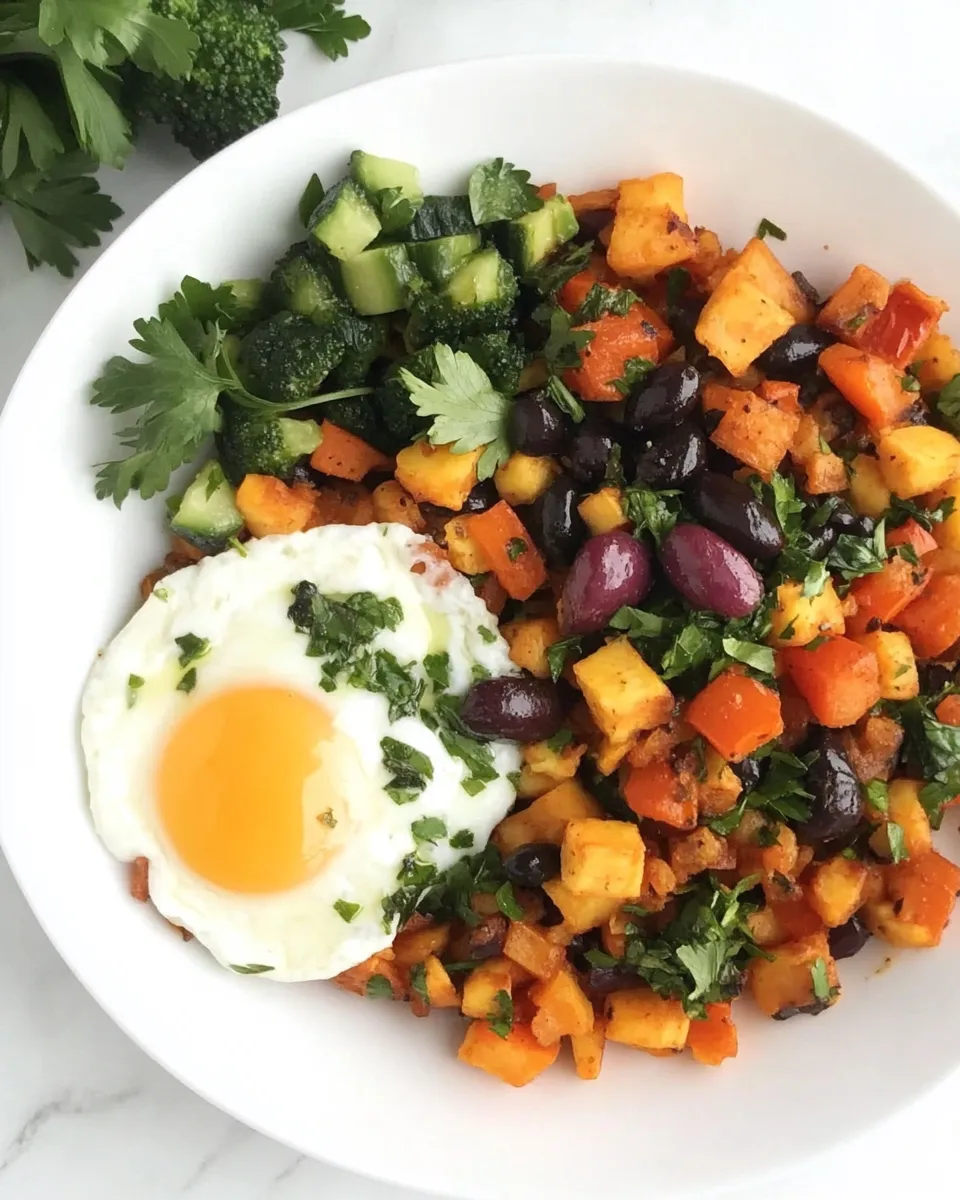
Introduction
Traditional breakfast recipes vegetarian center on whole, nutrient-dense plant foods and eggs prepared through time-tested culinary techniques that maximize comforting flavors without relying on meat. According to USDA Food Safety and Inspection Service (FSIS) standards, maintaining proper temperature control during the preparation of perishable dairy and egg components is essential for kitchen safety. Mastering these wholesome morning meals requires a balance of simple preparation methods, quality pantry staples, and thoughtful seasoning that elevates humble ingredients into hearty family favorites, complementing collections found in Breakfast Recipes and broader Vegetarian & Vegan cooking guides.
Culinary Prep Snapshot:
- Core Focus: Crafting hearty, meat-free morning dishes using traditional home-style techniques.
- Target Scope: Everyday family meal planning and wholesome comfort food preparation.
- Key Recommendation: Prioritize fresh, seasonal produce and proper heat distribution to enhance natural flavors.
Core Principles and Detailed Overview
Classic breakfast recipes vegetarian rely on fundamental cooking methods like cast-iron searing, gentle steaming, and slow-roasting to extract deep flavors from root vegetables, grains, and legumes. Traditional morning fare often bridges the gap between nutrition and indulgence by utilizing unrefined fats, farm-fresh eggs, and artisanal cheeses. Home cooks seeking diverse meal options can pair these morning dishes with savory sides found under Snacks & Sides or explore alternative preparation techniques detailed in Cooking Methods & Appliances to refine kitchen workflows.
Key Specifications and Breakdown
| Cooking Step / Component | Key Culinary Technique | Chef’s Quality & Food Safety Secret |
|---|---|---|
| Vegetable Hash Prep | Uniform dicing and dry-pan searing | Pre-cook dense roots partially to ensure even browning without burning exterior surfaces. |
| Egg Incorporation | Low-heat folding and steam-basting | Remove pans from direct heat just before setting to prevent rubbery textures. |
| Grain & Bread Toasting | Cast-iron butter frying | Use clarified butter or high-smoke-point oils to achieve a golden, crisp crust safely. |
Perishable food safety requires maintaining safe temperatures below 40°F for cold ingredients and above 140°F for hot cooked items during breakfast meal assembly. — USDA Food Safety and Inspection Service (FSIS)
Step-by-Step Practical Application and Guidelines
Executing exceptional vegetarian morning meals begins with organizing mise en place, preheating heavy-bottomed cookware, and managing cooking times sequentially so all components finish simultaneously. Cast-iron skillets should be properly seasoned before introducing acidic ingredients like tomatoes or citrus zest, while batters and doughs benefit from resting periods that allow starches to hydrate fully. Careful attention to thermal dynamics ensures that root vegetable hashes develop a crisp exterior crust while remaining tender on the interior, establishing the benchmark texture expected in traditional home cooking.
Common Challenges and How to Avoid Them
Preventing soggy textures and bland flavor profiles remains the primary hurdle when preparing plant-based morning dishes without animal fats. Excess moisture released from fresh vegetables during pan-frying can be mitigated by thoroughly patting produce dry and avoiding overcrowding in the skillet. Furthermore, balancing acidity with earthy spices prevents heavy dishes from tasting monotonous, ensuring every bite maintains a vibrant, well-rounded flavor profile.
💬 Frequently Asked Questions
Explore More Time-Tested Home Recipes on WillyRecipes
Refining traditional kitchen skills opens up endless possibilities for wholesome, comforting family meals that celebrate time-honored techniques. Visit WillyRecipes.com to browse extensive collections of scratch-made comfort foods, seasonal baking projects, and expert culinary guides designed to inspire home cooks of every experience level.
Recipe Step Photos & Variations