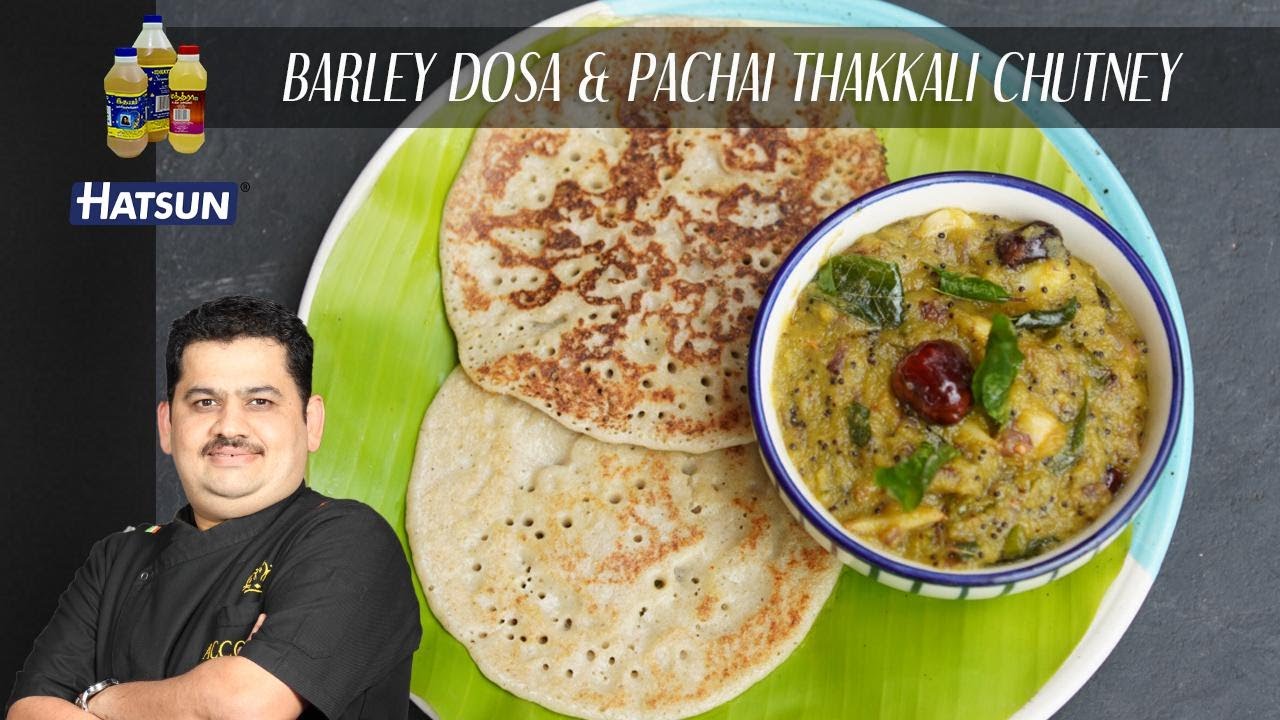
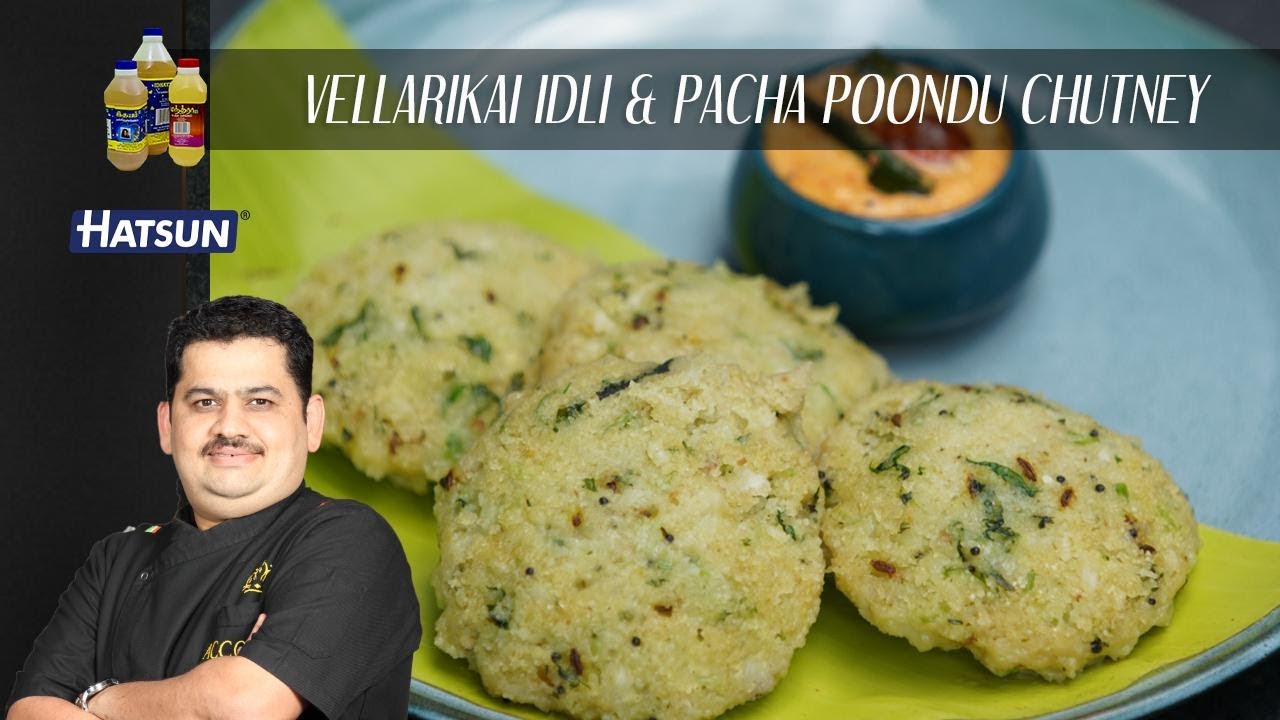
Introduction
Mastering breakfast recipes venkatesh bhat requires applying rigorous traditional South Indian culinary principles to achieve authentic texture, deep regional flavors, and optimal nutritional balance at home. According to Culinary Institute of America (CIA) Standards, maintaining precise temperature control during foundational tempering steps prevents spice scorching while fully releasing fat-soluble aromatic compounds. Exploring these heritage-inspired morning dishes transforms ordinary ingredients like parboiled rice, lentils, and fresh curry leaves into comforting, restaurant-quality breakfast staples. Home cooks seeking varied morning inspiration can also review traditional options listed under Breakfast Recipes for additional planning strategies.
Culinary Prep Snapshot:
- Core Focus: Authentic preparation methods for traditional South Indian breakfast recipes venkatesh bhat.
- Target Scope: Domestic home kitchens aiming for restaurant-grade flavor profiles and optimal texture.
- Key Recommendation: Prioritize exact fermentation timing and precise oil temperature control for superior results.
Core Principles and Detailed Overview
Breakfast recipes venkatesh bhat center on balancing acidity, heat, and fat through disciplined preparation methods derived from classical South Indian cooking. Direct answer: The foundation of these regional dishes relies upon precise batter fermentation and meticulous tempering, known locally as tadka or popu. Achieving the characteristic airy crumb in idlis and the delicate crispness in dosas demands strict adherence to traditional grinding ratios and ambient proofing temperatures. Incorporating fundamental Cooking Methods & Appliances ensures that heavy-bottomed cast-iron pans and modern wet grinders perform with maximum efficiency, yielding authentic textures without sacrificing modern kitchen convenience.
Key Specifications and Breakdown
| Cooking Step / Component | Key Culinary Technique | Chef’s Quality & Food Safety Secret |
|---|---|---|
| Batter Fermentation | Controlled ambient proofing (28°C to 32°C) | Incorporate non-iodized sea salt only after fermentation completes to prevent microbial inhibition. |
| Spice Tempering (Tadka) | Hot oil fat-extraction for mustard and urad dal | Heat oil until shimmering but not smoking to release essential oils without bitter charring. |
| Griddle Control (Dosa/Appam) | Seasoned cast-iron thermal retention | Maintain uniform seasoning with high-smoke-point oil to prevent sticking and ensure lacy edges. |
Proper temperature control and hygienic fermentation environments are essential for preventing foodborne illness while developing optimal organic acids in cereal-legume batters. — USDA Food Safety and Inspection Service (FSIS)
Step-by-Step Practical Application and Guidelines
Executing breakfast recipes venkatesh bhat successfully involves a disciplined sequence of ingredient hydration, wet grinding, and precise thermal execution. Direct answer: Begin by soaking parboiled rice and whole urad dal separately for at least six hours before wet grinding them into a smooth, aerated consistency. Maintain a cool environment during grinding by using ice-cold water, which prevents friction heat from killing natural wild yeasts essential for rise. Once fermented, handle the batter gently to preserve trapped carbon dioxide bubbles, ensuring maximum lightness upon steaming or griddle cooking. Serve immediately alongside freshly ground coconut chutney and piping hot sambar for a balanced, traditional morning meal.
Common Challenges and How to Avoid Them
Troubleshooting common failures in breakfast recipes venkatesh bhat requires adjusting hydration levels, pan seasoning, and resting periods. Direct answer: Dense, heavy idlis or rubbery dosas almost always result from inadequate batter fermentation or incorrect water-to-grain ratios during grinding. If the batter fails to rise in colder weather, accelerate microbial activity by placing the covered vessel inside an unheated oven with the internal light turned on. Furthermore, prevent dosas from tearing on the skillet by ensuring the cast-iron surface is properly cooled with a damp cloth and lightly oiled between successive batches.
💬 Frequently Asked Questions
Explore More Time-Tested Home Recipes on WillyRecipes
Developing authentic culinary skills across diverse regional cuisines elevates everyday family dining into an extraordinary gastronomic tradition. Enthusiasts can continue expanding their repertoire by exploring curated collections, expert technique guides, and comforting heritage dishes available directly through WillyRecipes.com.
Recipe Step Photos & Variations