Introduction
Breakfast recipes yogurt provide a nutrient-dense, versatile foundation for traditional morning meals that combine active cultures with wholesome grains and fats. According to Culinary Institute of America (CIA) Standards, incorporating cultured dairy into morning routines optimizes protein distribution and introduces essential beneficial probiotics to the digestive tract. Traditional home cooking utilizes whole-milk strained variants to achieve a rich, velvety texture without relying on heavy artificial thickeners or stabilizers. Exploring these time-honored preparations elevates daily culinary routines by balancing sharp acidity with natural sweetness from seasonal fruits and toasted nuts. Dedicated home cooks frequently combine these dairy staples with hearty grains found across Breakfast Recipes collections for balanced morning nutrition.
Culinary Prep Snapshot:
- Core Focus: Utilizing cultured dairy to build balanced, traditional morning meals.
- Target Scope: Practical kitchen execution for home cooks and comfort food planners.
- Key Recommendation: Select full-fat plain varieties to maintain optimal emulsion and rich flavor profiles.
Core Principles and Detailed Overview
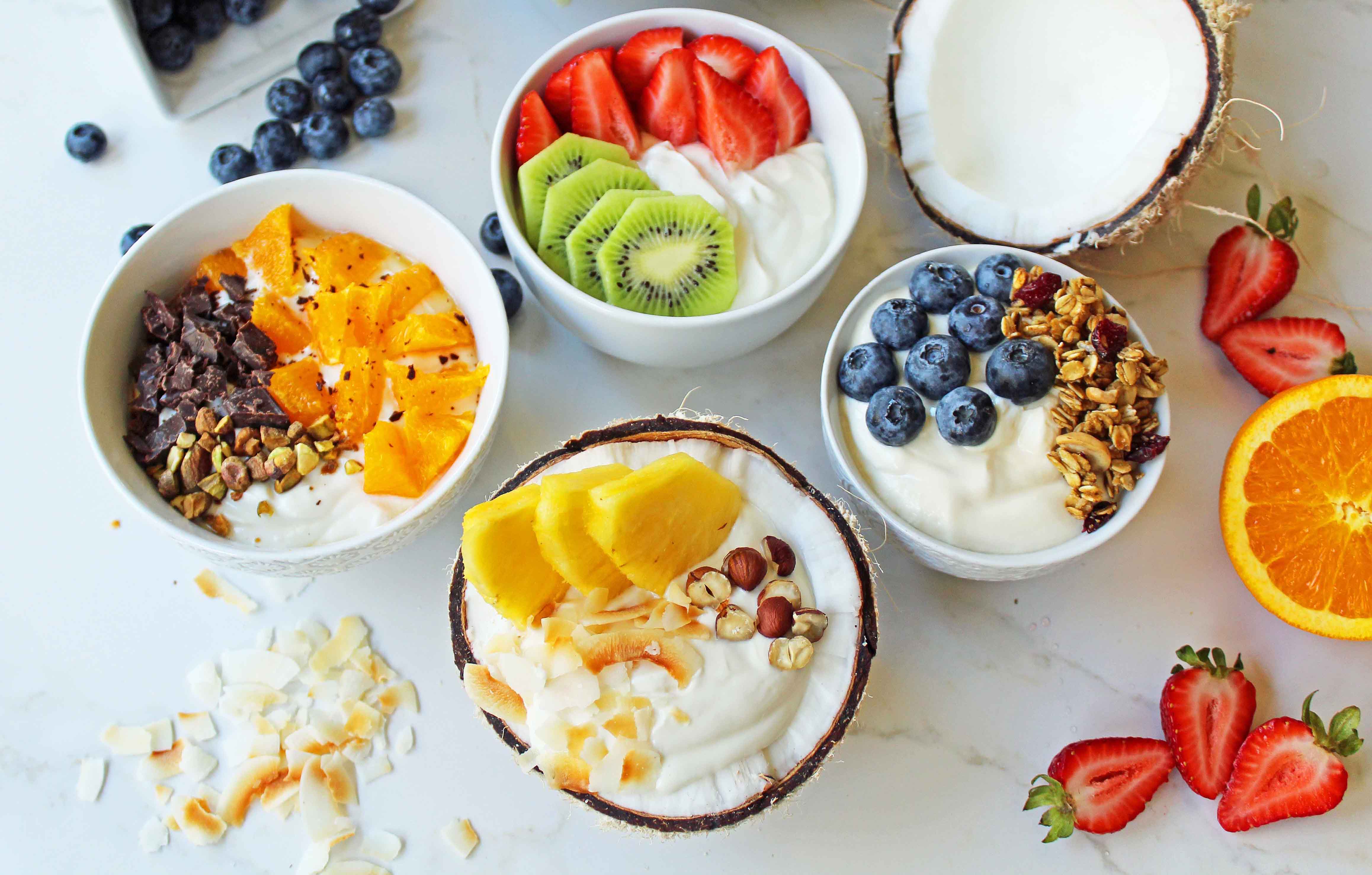
Breakfast recipes yogurt rely on the careful balancing of high-protein dairy bases with contrasting textures like toasted oats, seeds, and fresh fruits. Direct answer: Proper preparation requires starting with a thick, whole-milk strained base to prevent moisture separation during mixing. Culinary tradition dictates avoiding highly sweetened commercial flavored cups, opting instead for plain formulations sweetened naturally with honey, maple syrup, or fruit compotes. This method allows complete control over sugar content while highlighting the natural tartness of lactic fermentation. Temperature management remains vital when pairing cultured dairy with warm ingredients; blending directly into boiling elements causes undesirable curdling and destroys beneficial probiotic cultures. Integrating these wholesome ingredients into daily cooking complements broader culinary traditions found throughout Snacks & Sides.
Key Specifications and Breakdown
| Cooking Step / Component | Key Culinary Technique | Chef’s Quality & Food Safety Secret |
|---|---|---|
| Base Selection | Straining whey from whole-milk plain formulations | Maintain refrigeration below 40°F until immediate preparation to inhibit pathogen growth. |
| Textural Contrast | Dry-toasting grains and seeds in a cast-iron skillet | Cool toasted additions completely before combining to prevent premature moisture absorption and sogginess. |
| Flavor Integration | Infusing natural sweeteners and warm spices separately | Incorporate citrus zest directly into the fat content first to release essential aromatic oils thoroughly. |
Perishable dairy products must be maintained at or below 40°F (4°C) during preparation and storage to prevent bacterial proliferation. — USDA Food Safety and Inspection Service (FSIS)
Step-by-Step Practical Application and Guidelines
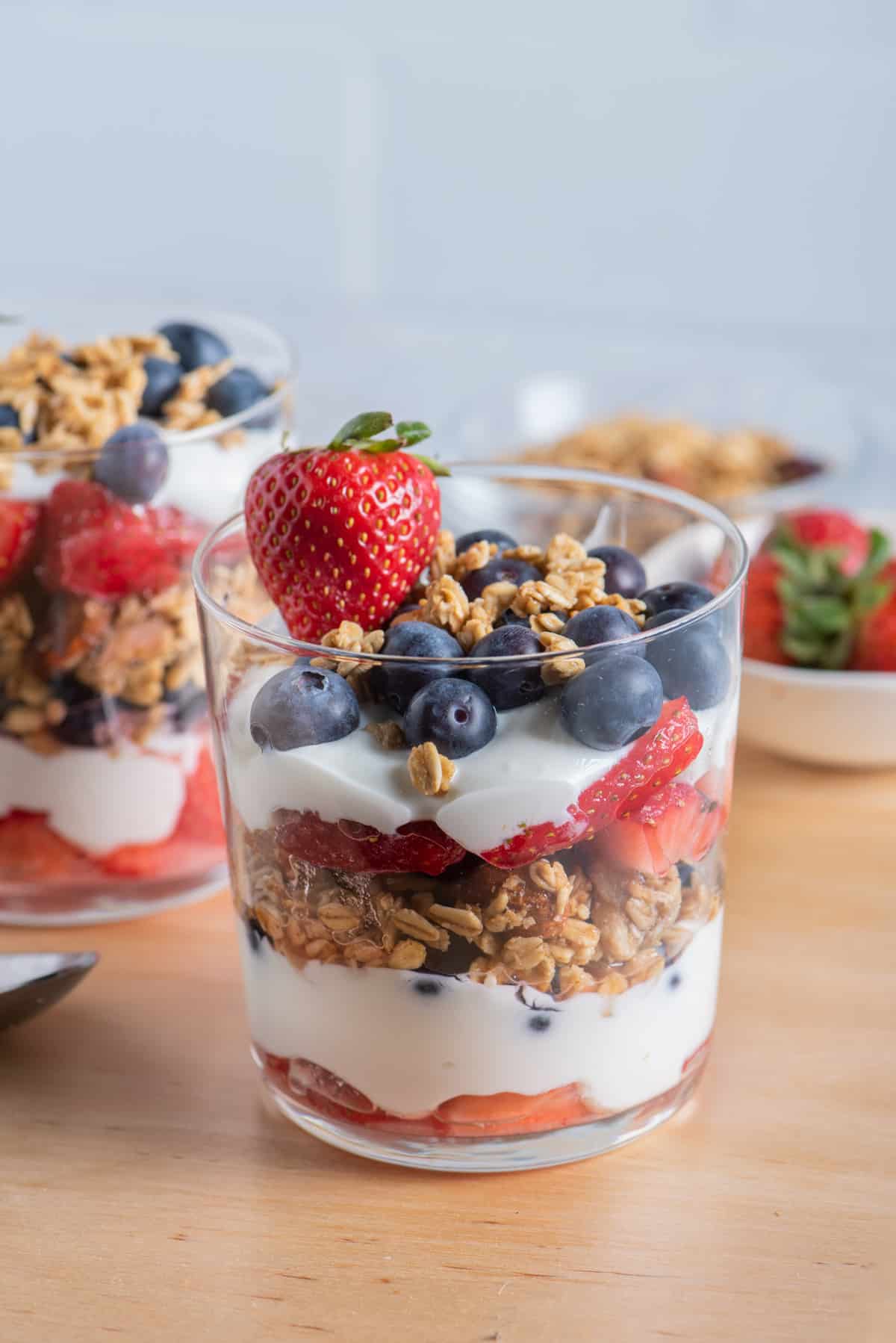
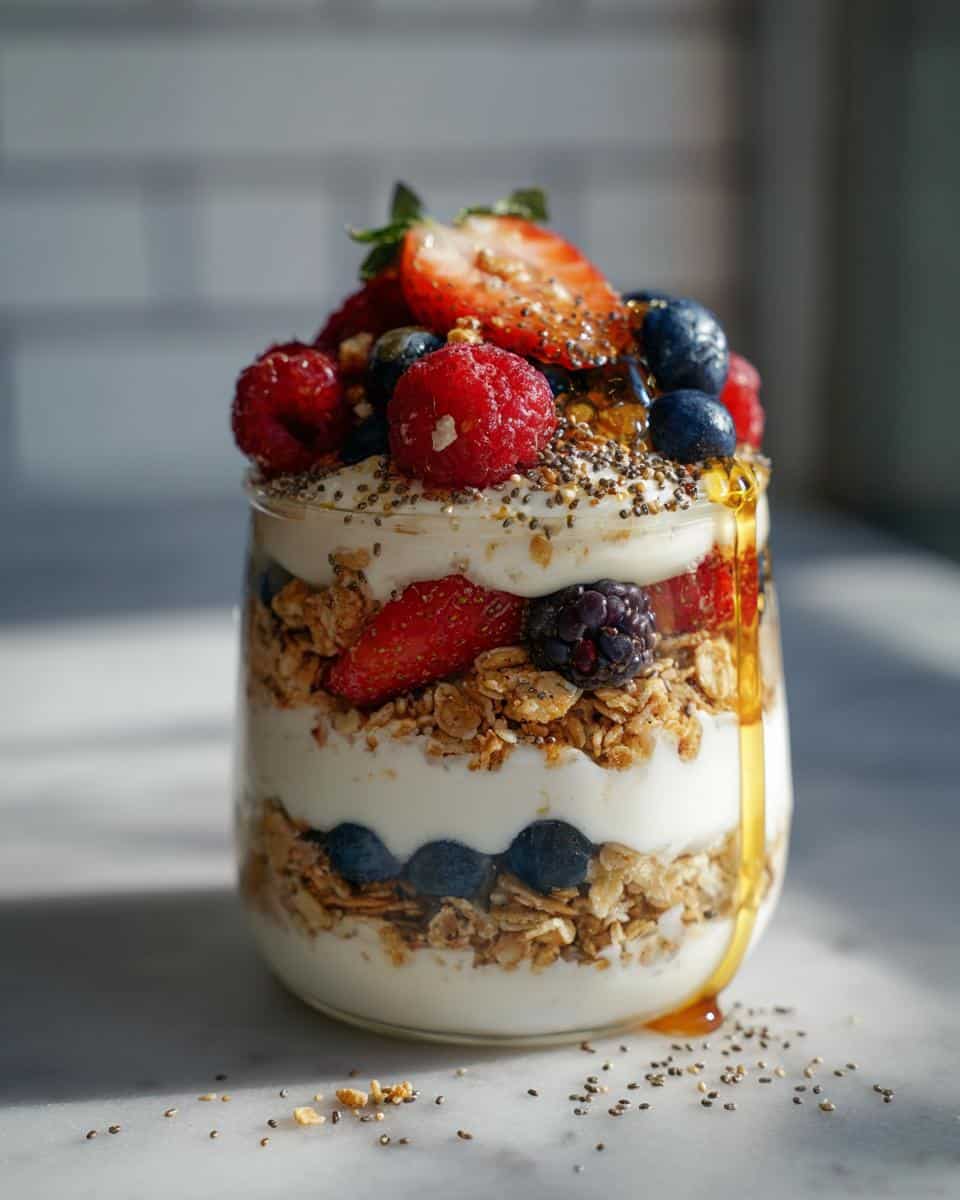
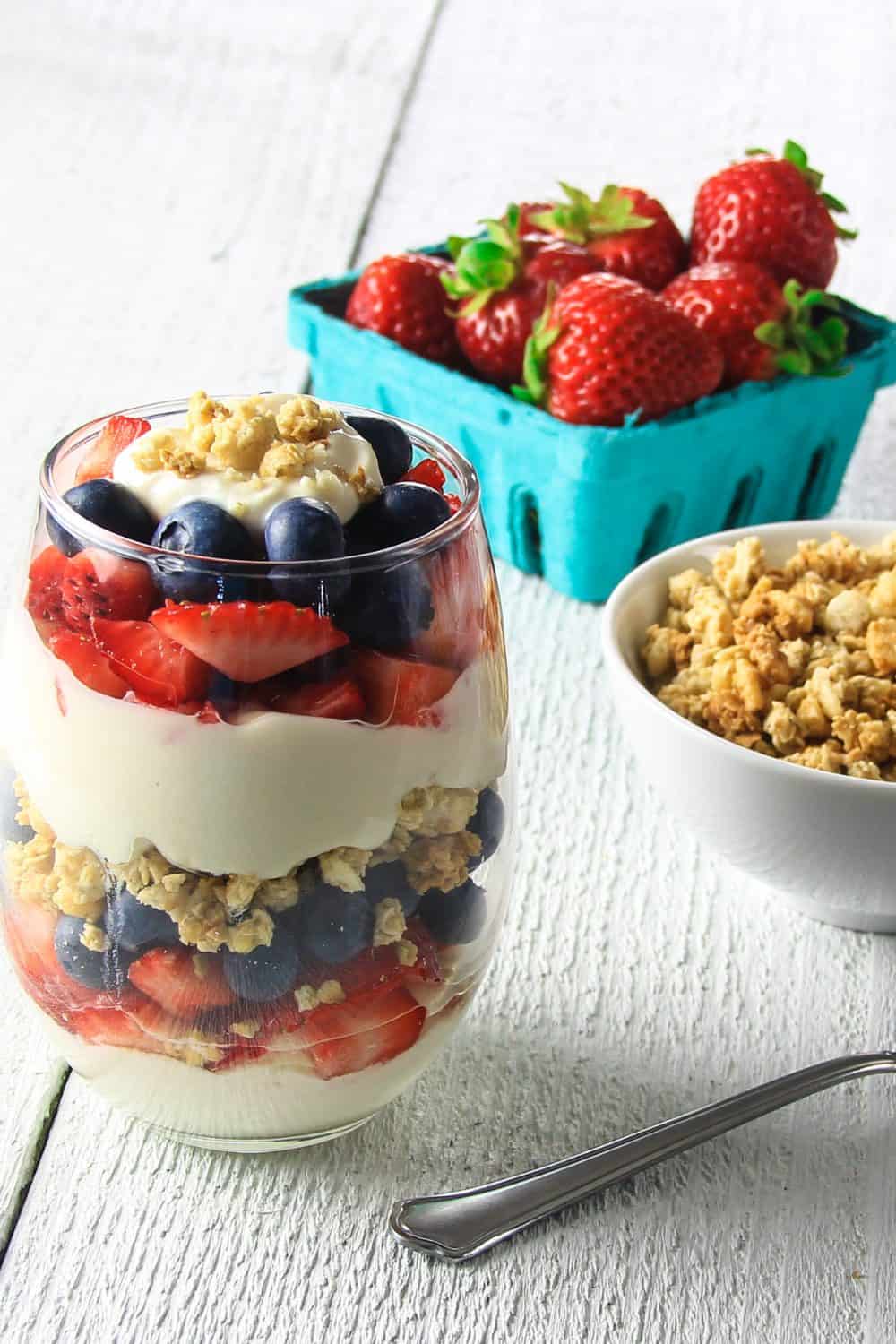
Breakfast recipes yogurt demand methodical layering and precise temperature control to achieve professional home-cooked results. Direct answer: Begin by whisking the cultured base in a non-reactive ceramic or glass bowl until completely smooth and aerated. Fold in folded fruit compotes or dry-toasted elements gently using a silicone spatula to preserve the delicate structural integrity of the dairy proteins. When incorporating warm elements such as baked fruit or sautéed grains, allow those components to cool down to lukewarm temperatures before physical contact with the cold dairy. Portion individual servings immediately into chilled ceramic vessels, garnishing the top layer with raw honey and toasted pecans just prior to serving for optimal texture.
Common Challenges and How to Avoid Them
Breakfast recipes yogurt frequently suffer from excessive water separation and grainy textures caused by incorrect temperature exposure or improper base selection. Direct answer: Watery consistency occurs when using unstrained commercial styles or exposing the dairy to sudden high heat. Prevent structural breakdown by utilizing authentic strained Greek or traditional whole-milk styles, and never apply direct thermal heat to active cultures. If excess liquid pooling occurs on the surface, simply pour off the clear whey before stirring, or whisk in a tablespoon of unwhipped heavy cream to restore a rich, cohesive emulsion.
💬 Frequently Asked Questions
Explore More Time-Tested Home Recipes on WillyRecipes
Mastering traditional comfort food preparations transforms ordinary morning routines into cherished daily rituals. Discover additional classic techniques, wholesome meal ideas, and time-honored heritage dishes by visiting WillyRecipes.com for comprehensive culinary inspiration.
Recipe Step Photos & Variations