Introduction
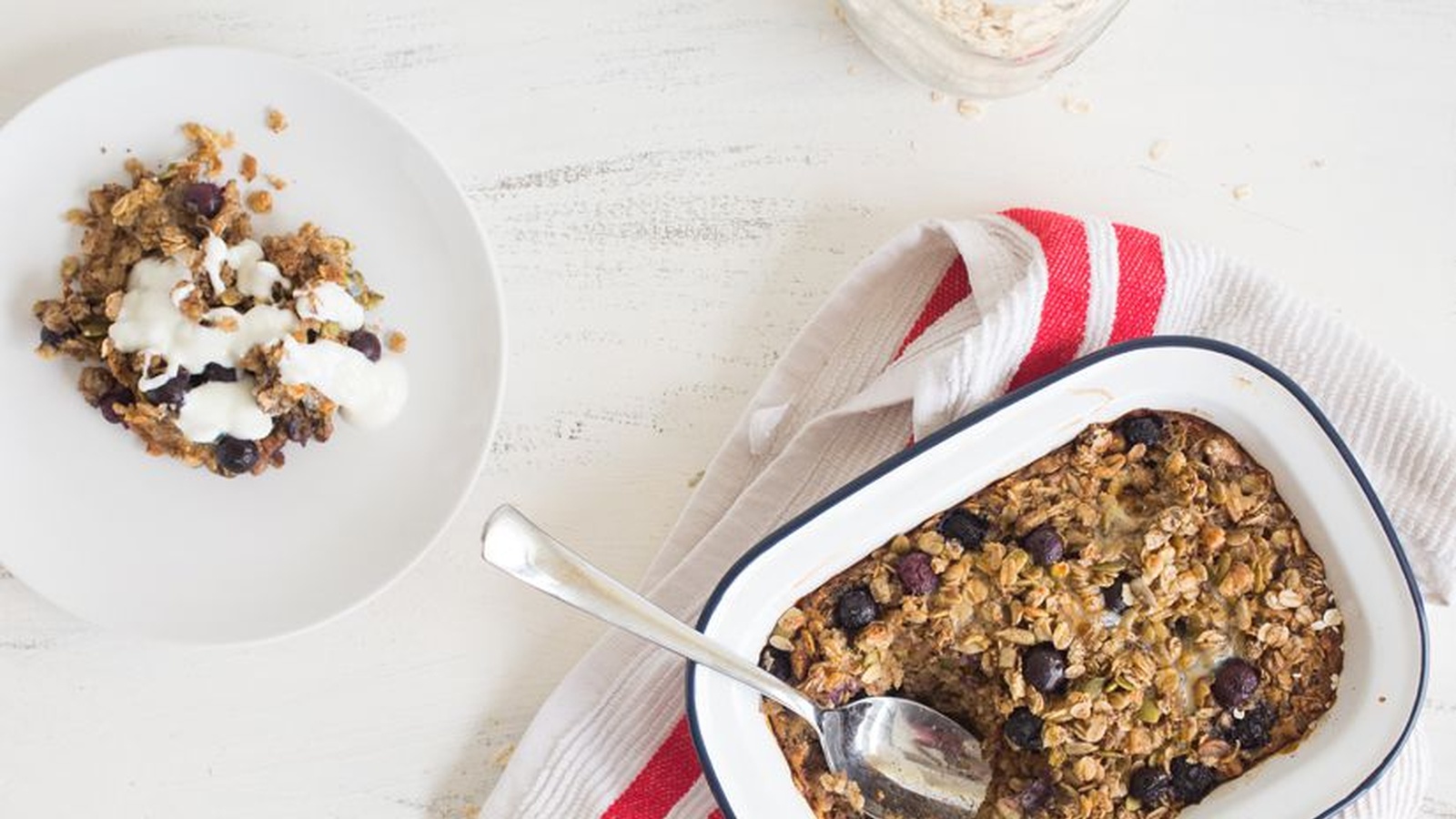
Breakfast recipes you can make the night before encompass culinary preparations designed to rest in refrigeration before baking or reheating, maximizing flavor development while eliminating morning prep friction. According to the USDA Food Safety and Inspection Service (FSIS), perishable casserole components must be chilled rapidly and maintained at or below 40 degrees Fahrenheit to ensure complete food safety during overnight storage. Traditional comfort food preparation relies heavily on advanced staging, allowing starches to fully hydrate and proteins to absorb seasonings harmoniously. Exploring trusted collections like Breakfast Recipes delivers time-tested methods for streamlining morning routines through intelligent advance staging. Mastering these foundational techniques transforms rushed mornings into structured culinary routines that honor old-fashioned scratch cooking principles.
Culinary Prep Snapshot:
- Core Focus: Direct 1-sentence summary of breakfast recipes you can make the night before.
- Target Scope: Primary intended use case and audience setting.
- Key Recommendation: 1 high-impact actionable best practice.
Core Principles and Detailed Overview
Breakfast recipes you can make the night before rely on the scientific principle of staling inhibition and moisture equilibration, ensuring breads and pastries maintain ideal texture rather than turning soggy. Traditional overnight stratification involves layering dense artisanal breads, cured meats, and grated cheeses within a buttered baking vessel, then pouring an unbaked custard mixture over the top. This extended resting window permits the liquid phase to penetrate every cell of the starch matrix, yielding an exceptionally uniform bake with a distinct crust-to-interior contrast. Applying sound Cooking Methods & Appliances ensures that thermal transfer occurs evenly from the chilled state straight into a preheated oven environment. Culinary adherence to temperature safety parameters guarantees that rich dairy and protein components remain stable throughout the resting interval.
Key Specifications and Breakdown
| Cooking Step / Component | Key Culinary Technique | Chef’s Quality & Food Safety Secret |
|---|---|---|
| Bread Foundation | Stale-bread hydration | Dry or lightly toasted crusts absorb custard without dissolving into mush. |
| Dairy Custard | Protein emulsion | Whisk eggs thoroughly with whole milk to prevent syneresis during baking. |
| Thermal Transition | Direct oven staging | Remove baking dish from refrigeration thirty minutes prior to baking to reduce thermal shock. |
Perishable food items must be cooled down rapidly and stored at temperatures below 40°F (4°C) to prevent bacterial proliferation during overnight resting phases. — USDA Food Safety and Inspection Service (FSIS)
Step-by-Step Practical Application and Guidelines
Breakfast recipes you can make the night before require deliberate sequencing, beginning with the assembly of dry structural elements followed by liquid integration and airtight covering. Construct the layered components in a heavily greased ceramic or cast-iron dish the evening prior, ensuring tight contact between bread and moisture sources. Seal the vessel securely with heavy-duty foil or a fitted lid to prevent refrigerator odors from compromising the delicate dairy fats. Transfer the covered dish immediately to the coldest shelf of the refrigerator, avoiding the door compartments where temperature fluctuations occur frequently. Upon awakening, remove the protective cover, allow the dish to rest on the counter while the oven preheats, and bake until the center reaches the recommended internal temperature.
Common Challenges and How to Avoid Them
Soggy bread textures and uneven centers represent the most frequent obstacles encountered when preparing advanced morning dishes, typically caused by improper liquid-to-solid ratios or insufficient baking times. Selecting dense, rustic loaves such as brioche or sourdough prevents total structural collapse, while thoroughly toasting the bread cubes beforehand creates an impermeable moisture barrier. Overcoming cold-center issues involves letting the casserole sit at room temperature for thirty minutes before introducing it to the hot oven, allowing the interior to lose its chill. Utilizing accurate oven thermometers ensures that the baking environment matches required specifications, guaranteeing a golden-brown exterior and a fully set custard.
💬 Frequently Asked Questions
Explore More Time-Tested Home Recipes on WillyRecipes
Mastering advanced morning preparations opens the door to a wide world of traditional, comforting dishes designed to bring families together around the dining table. Continuing culinary education with time-tested techniques ensures every meal reflects heritage, quality, and precise craftsmanship. Browse through the comprehensive kitchen archives available at WillyRecipes.com to discover more classic comfort foods, baking secrets, and family-approved dinner ideas.
Recipe Step Photos & Variations