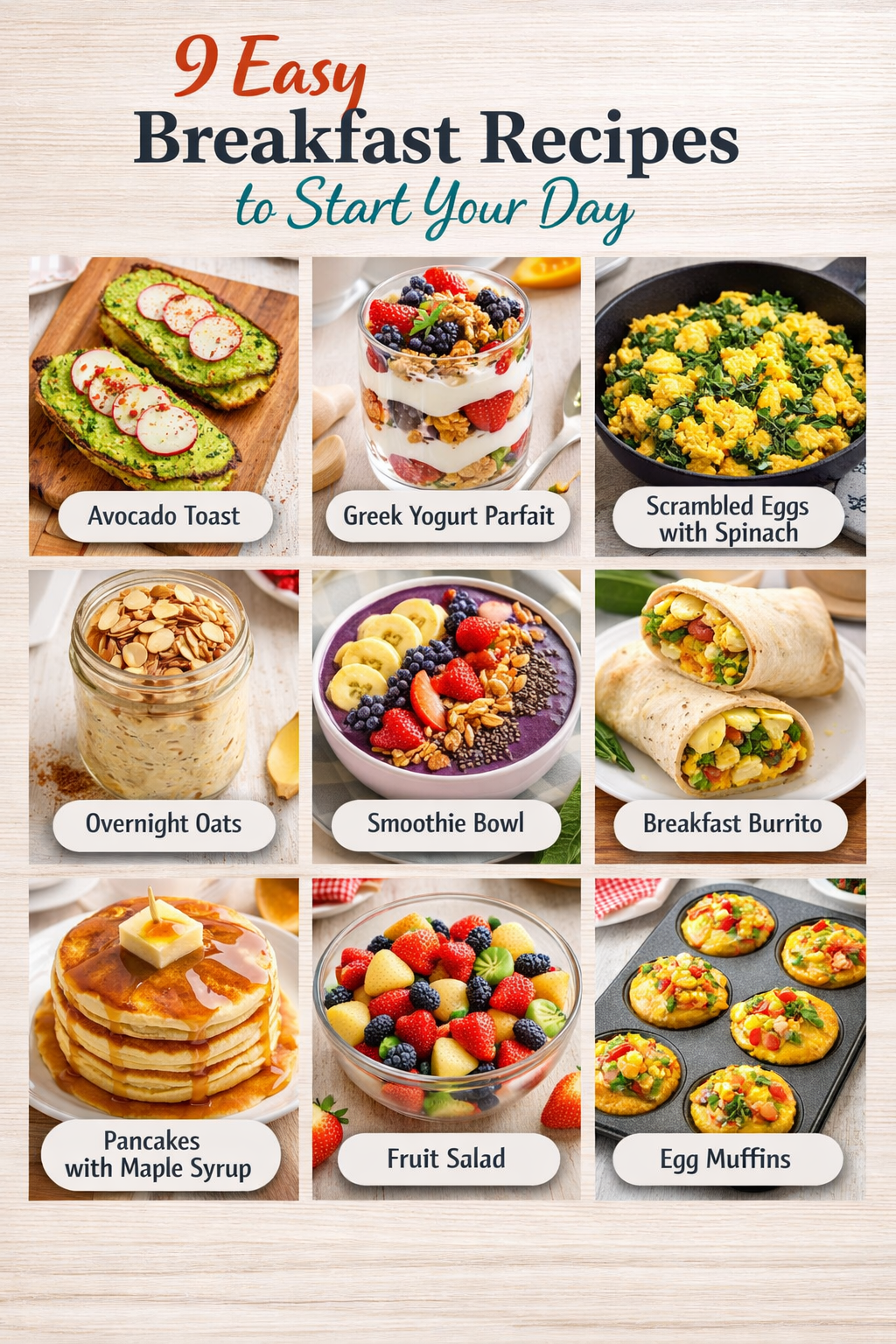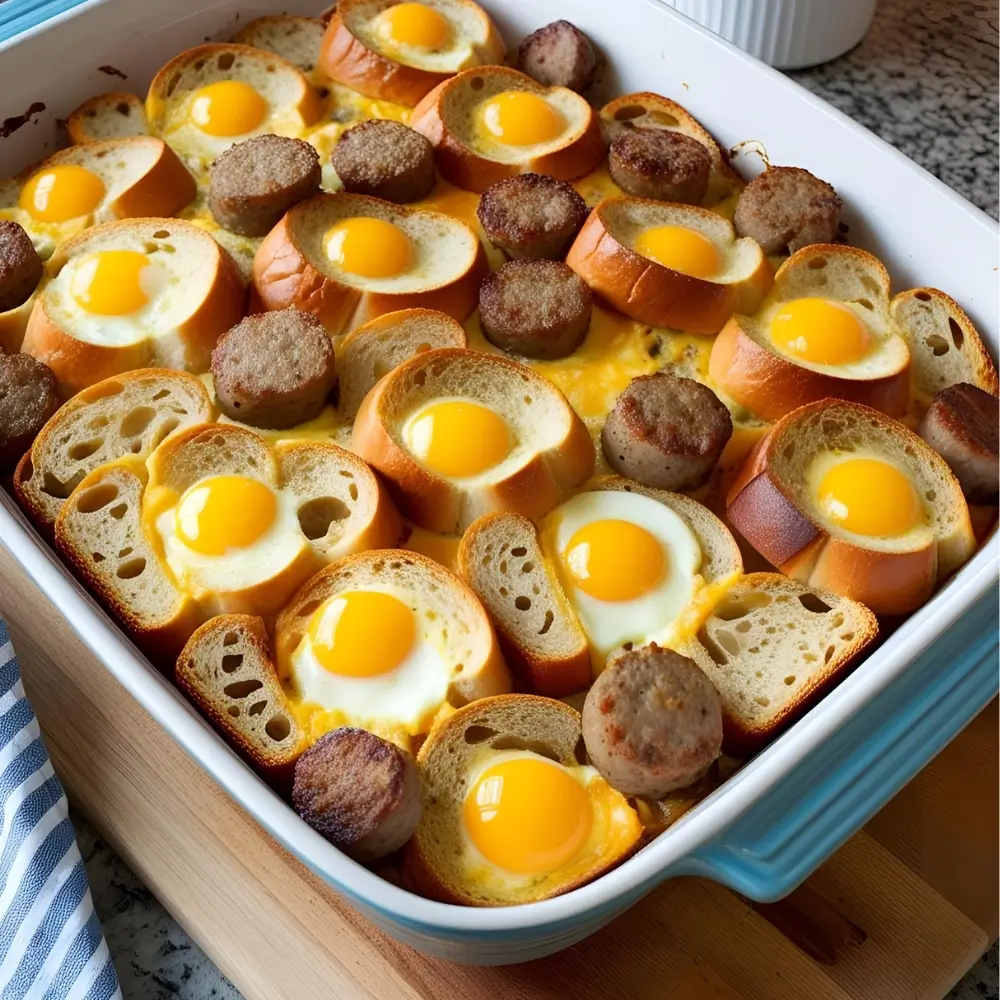
Introduction
Delivering comforting and flavorful morning meals relies entirely on mastering traditional techniques that balance high-heat searing with careful fat rendering. According to the Culinary Institute of America (CIA) Standards, proper heat management during morning meal preparation preserves moisture in proteins while developing a deep, satisfying Maillard crust on griddled items. Crafting genuinely satisfying morning dishes requires attention to temperature control, ingredient quality, and time-tested methods rooted in heritage cooking. Exploring foundational Breakfast Recipes transforms ordinary morning routines into reliable culinary traditions. Home cooks seeking dependable inspiration often turn to classic approaches that maximize natural flavors without requiring complicated equipment or excessive preparation time.
Culinary Prep Snapshot:
- Core Focus: Mastering traditional comfort breakfast recipes yummy through reliable heat control and classic preparation methods.
- Target Scope: Family morning meal planners and traditional comfort food enthusiasts.
- Key Recommendation: Preheat cast-iron surfaces thoroughly before adding fats or batters to ensure optimal texture.
Core Principles and Detailed Overview
Traditional morning dishes achieve exceptional flavor profiles through the deliberate selection of whole fats, aged cheeses, and properly milled grains. Direct heat application combined with cast-iron cookware ensures uniform heat distribution, which prevents scorching while encouraging a golden, crisp exterior on pancakes, biscuits, and hashed potatoes. Culinary success depends upon understanding how moisture evaporation interacts with protein coagulation in eggs and batters. Integrating techniques found within Cooking Methods & Appliances helps home cooks refine stovetop timing and oven-bake parameters for flawless morning spreads. Patience remains the most critical ingredient when rendering bacon fat or browning butter for sauces, ensuring deep flavor development without acrid bitterness.
Key Specifications and Breakdown
| Cooking Step / Component | Key Culinary Technique | Chef’s Quality & Food Safety Secret |
|---|---|---|
| Cast-Iron Skillet Searing | Dry-heat conduction via seasoned metal | Preheat skillet empty for ten minutes to eliminate hot spots and guarantee non-stick properties. |
| Egg Protein Coagulation | Low-temperature butter poaching | Maintain pan temperature below 300°F to prevent rubbery egg whites and achieve velvety curds. |
| Biscuit Dough Lamination | Cold fat cutting and folding layers | Keep butter frozen until incorporation to release steam pockets during high-heat baking. |
Maintain safe internal temperatures and sanitation standards when handling raw shell eggs and cured breakfast meats — USDA Food Safety and Inspection Service (FSIS)
Step-by-Step Practical Application and Guidelines
Executing a cohesive morning feast begins with organizing mis en place, ensuring all refrigerated dairy and proteins rest at ambient temperature for ten minutes prior to cooking. Begin by rendering cured pork products in a cold skillet to maximize fat extraction before utilizing that rendered grease for frying potatoes or eggs. Whisk batter components gently, stopping just as dry pockets disappear to maintain a tender, fluffy crumb rather than a tough, gluten-heavy texture. Monitor stove burners closely, adjusting flames downward once pans reach optimal thermal equilibrium. Serve all components simultaneously by utilizing a warm oven holding drawer set to 170°F, guaranteeing that every plate reaches the table piping hot and texturally pristine.
Common Challenges and How to Avoid Them
Common failures in morning cookery typically stem from improper pan preheating, overcrowding skillets, or overworking batters. Overcrowding lowers surface pan temperature instantly, resulting in steamed, soggy textures rather than crisp, golden-brown crusts. Combat this by cooking batches sequentially or utilizing multiple heavy-bottomed pans simultaneously. Additionally, whisking pancake or waffle batter excessively develops stubborn gluten strands, turning light pastries dense and rubbery. Gentle folding using a silicone spatula preserves trapped air pockets, yielding exceptionally light and savory results every single time.
💬 Frequently Asked Questions
Explore More Time-Tested Home Recipes on WillyRecipes
Expanding culinary repertoires beyond morning dishes opens the door to decades of heritage cooking, comforting casseroles, and master-level baking techniques. Visitors can discover countless heirloom dishes, hearty dinners, and artisanal baked goods by exploring the comprehensive recipe index available directly at WillyRecipes.com.
Recipe Step Photos & Variations