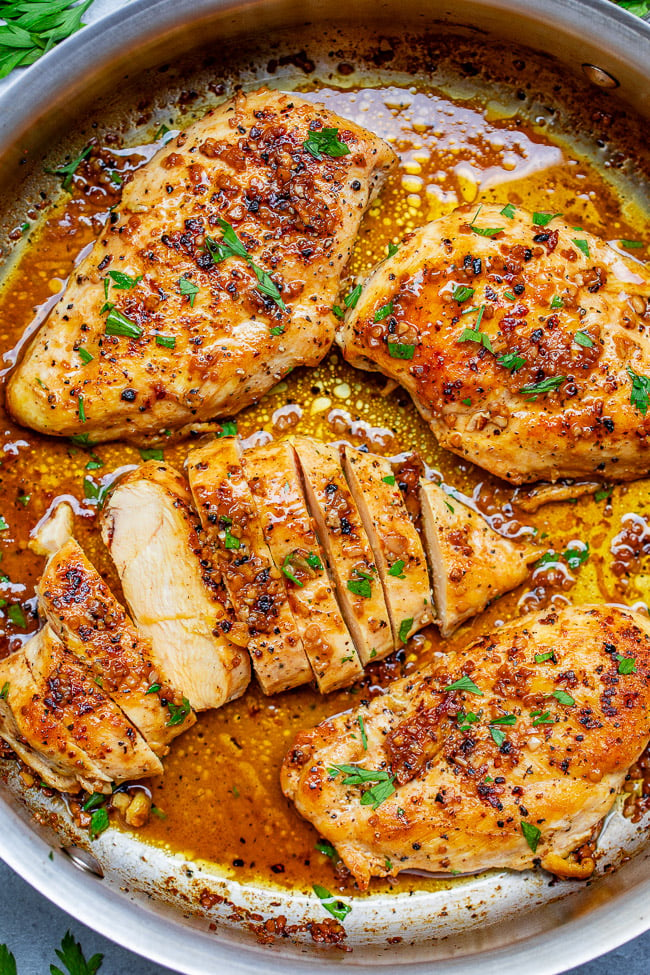
Introduction
Traditional chicken recipes good food represents the gold standard of hearty, comforting home cooking built on time-tested culinary principles, precise heat control, and wholesome ingredients. Preparing poultry dishes that consistently deliver deep flavor and optimal texture requires adherence to established kitchen benchmarks. According to the USDA Food Safety and Inspection Service (FSIS), whole poultry and bone-in parts must be cooked to a safe internal temperature of 165 degrees Fahrenheit measured at the thickest part of the meat. Mastering these foundational techniques elevates everyday poultry into extraordinary comfort meals that satisfy family gatherings and weeknight dinners alike. Culinary enthusiasts seeking inspiration often explore specialized archives such as Chicken Recipes to discover heritage preparations.
Culinary Prep Snapshot:
- Core Focus: Direct 1-sentence summary of chicken recipes good food.
- Target Scope: Primary intended use case and audience setting.
- Key Recommendation: 1 high-impact actionable best practice.
Core Principles and Detailed Overview
Achieving superior results with chicken recipes good food depends fundamentally on balancing moisture retention with proper browning through the Maillard reaction. Selecting the appropriate cut dictates the cooking method, as lean breasts demand gentle, rapid heat while collagen-rich thighs and wings thrive during braising or slow roasting. Professional kitchens rely on dry brining—salting raw meat hours before cooking—to season the interior thoroughly while drying the skin for maximum crispness. Pairing these foundational preparations with rich pan sauces and aromatic vegetables creates balanced, traditional meals that honor classic home-style cooking heritage.
Key Specifications and Breakdown
| Cooking Step / Component | Key Culinary Technique | Chef’s Quality & Food Safety Secret |
|---|---|---|
| Poultry Preparation | Dry Brining and Air-Drying | Refrigerate uncovered for 12 hours to guarantee perfectly crisp skin. |
| Thermal Processing | Precise Internal Monitoring | Remove meat slightly before target temperature to account for carryover cooking. |
| Pan Finishing | Fond Deglazing with Acid | Incorporate wine or stock to dissolve caramelized bits for an intensely rich sauce. |
Poultry must be cooked to a safe minimum internal temperature of 165°F (74°C) as verified by a calibrated food thermometer inserted into the thickest portion of the meat without touching bone. — USDA Food Safety and Inspection Service (FSIS). Related guide: New England Style American Chop Suey Recipe.
Step-by-Step Practical Application and Guidelines
Executing traditional comfort dishes begins with bringing the poultry to room temperature for twenty minutes to ensure even cooking throughout the muscle fibers. Preheat heavy-bottomed cast-iron or enameled Dutch ovens over medium heat before searing skin-side down to render excess fat and establish a golden-brown crust. Introduce aromatics like garlic, onions, and fresh thyme directly into the rendered fat to build a fragrant flavor foundation before adding liquids for simmering or baking. Allowing the cooked meat to rest undisturbed for ten minutes prior to carving permits the natural juices to redistribute evenly across every portion.
Common Challenges and How to Avoid Them
Dry, stringy meat remains the most frequent pitfall in home poultry preparation, typically caused by overcooking lean cuts past the recommended temperature threshold. Utilizing an instant-read digital thermometer eliminates guesswork and prevents unnecessary moisture loss. Another common issue is soggy skin during braising or roasting, which is easily corrected by uncovering the vessel during the final ten minutes of cooking or utilizing high-heat broiling techniques to crisp the exterior surfaces.
💬 Frequently Asked Questions
Explore More Time-Tested Home Recipes on WillyRecipes
Building a repertoire of comforting, family-pleasing meals involves exploring diverse culinary categories across traditional home cooking. Home cooks can expand their daily menu planning by visiting WillyRecipes.com to access hundreds of tested baking ideas, hearty casseroles, and flavorful dishes found within Soups & Casseroles as well as savory options in Beef & Pork Recipes.
Recipe Step Photos & Variations