Introduction
Sukiyaki, a Japanese hot pot dish, is celebrated for its delicate balance of sweet and savory flavors. The cornerstone of this delectable experience is the sukiyaki sauce. This sauce, also known as “tare,” isn’t just an ingredient; its the soul of the dish, infusing every slice of thinly sliced beef, tofu, and vegetable with its unique character. Its popularity stems from its ability to transform simple ingredients into a culinary masterpiece, making it a staple in Japanese homes and restaurants worldwide. Many cooks prefer crafting their own sauce to customize the flavor profile and ensure the freshest possible result.
💡 Recipe Key Takeaways:
- Core Flavor: Easy-to-follow, delicious culinary preparation for Recipe For Sukiyaki Sauce.
- Target Scope: Quick weeknight family dinners, home cooking, and festive meal planning.
- Chef Tip: Prep all measured ingredients in advance (mise en place) to ensure even cooking and optimal texture.
Ingredients
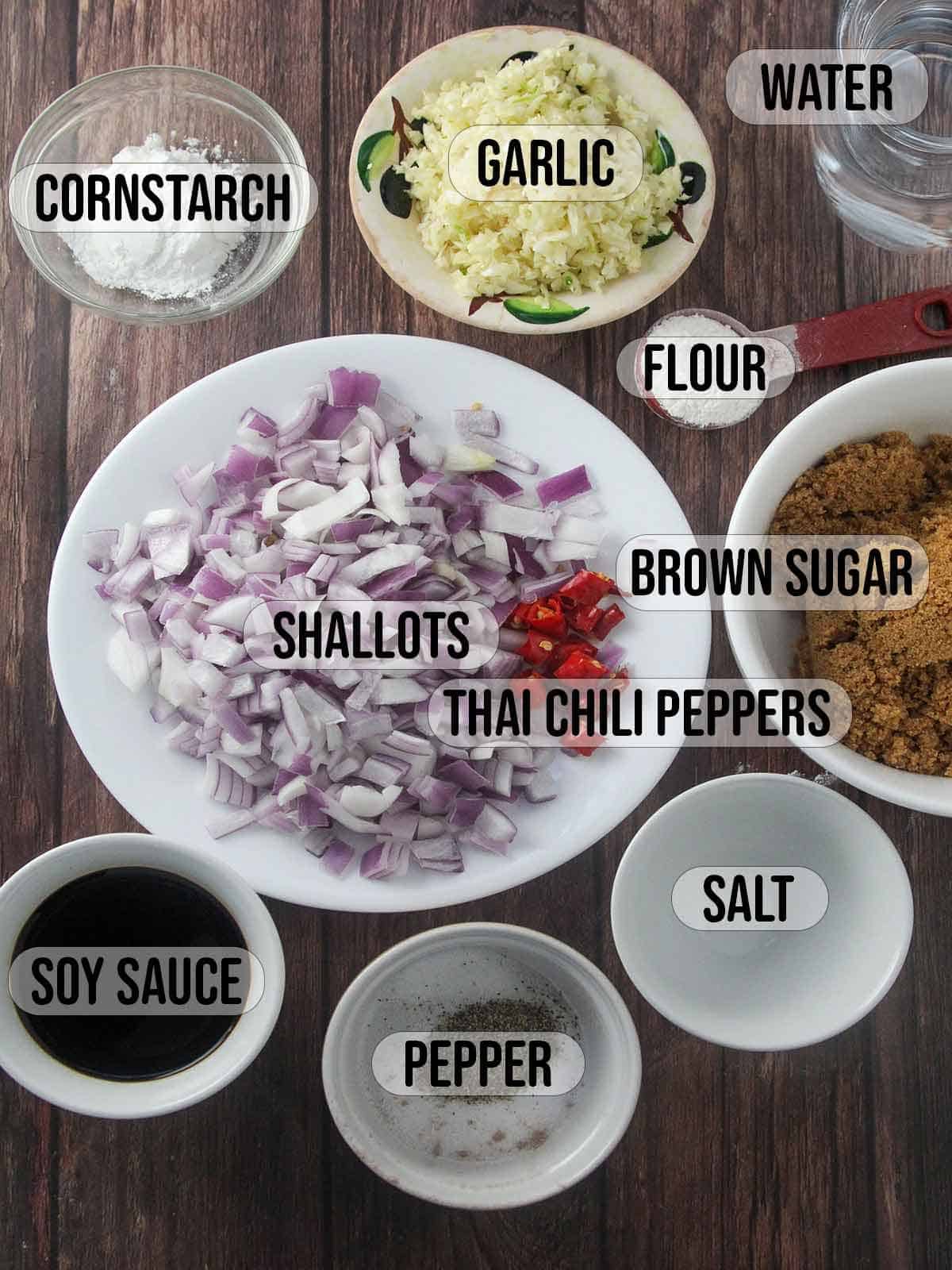
The essential components of a classic sukiyaki sauce recipe typically include:
- Soy Sauce: Provides the umami base. Use a good quality, naturally brewed soy sauce for the best flavor.
- Mirin: Sweet rice wine adding sweetness and depth. If mirin is unavailable, a dry sherry with a pinch of sugar can be substituted.
- Sake: Japanese rice wine contributing subtle fruity notes and acidity. Dry sherry or even a splash of dry white wine can be used as a substitute, though the flavor will be slightly different.
- Sugar: Granulated sugar or brown sugar to balance the savory elements. Adjust the amount to taste.
- Dashi (Optional): Japanese soup stock adding an extra layer of savory flavor. If unavailable, water can be used, but the sauce will be less complex.
Precise measurements can vary, but a common ratio is generally equal parts soy sauce, mirin, and sake, with sugar added to taste.
Preparation Steps
The preparation of sukiyaki sauce is straightforward and requires minimal effort. Before cooking, ensure all ingredients are readily available and measured. No pre-treatment of the ingredients is necessary. Accurate measurement of each ingredient is key to achieving a balanced flavor profile. Consider tasting the sauce after combining the ingredients and adjusting the sugar level to your preference. The key is to create a balance between the salty soy sauce, the sweet mirin and sugar, and the savory sake or dashi. Proper preparation ensures a smooth and flavorful sauce, ready to enhance the sukiyaki experience. For more related activities, check out our Mushroom Catsup.
Cooking Instructions
While technically, the sauce doesnt require extensive cooking, a brief simmer is recommended to meld the flavors.
- Combine all ingredients (soy sauce, mirin, sake, sugar, and dashi, if using) in a saucepan.
- Place the saucepan over medium heat.
- Bring the mixture to a gentle simmer, stirring occasionally to ensure the sugar dissolves completely.
- Reduce the heat to low and continue to simmer for approximately 5-10 minutes. Avoid boiling vigorously, as this can alter the flavor profile. The goal is to allow the flavors to combine and slightly thicken the sauce.
- Remove from heat and allow the sauce to cool slightly before using.
The ideal temperature is a gentle simmer, around 180-200F (82-93C). The timing is crucial. Overcooking can lead to a reduction in volume and a more concentrated, potentially bitter, flavor.
Serving Suggestions
Sukiyaki sauce is primarily used as a dipping sauce and cooking liquid for sukiyaki. It’s typically served in a shallow bowl alongside a raw egg, which acts as a cooling dip for the hot, savory ingredients.
- Pour the sauce into the sukiyaki pot, where it simmers with thinly sliced beef, tofu, vegetables (such as napa cabbage, shiitake mushrooms, and scallions), and noodles (such as shirataki noodles).
- Dip cooked ingredients into the raw egg before eating.
- The sauce can also be used as a marinade for the beef before cooking to enhance its flavor.
- Leftover sauce can be stored in the refrigerator and used for stir-fries or as a glaze for grilled meats.
Tips and Common Mistakes
Using Low-Quality Soy Sauce: Invest in a good-quality, naturally brewed soy sauce for the best flavor. Overcooking the Sauce: Overcooking can lead to a bitter taste and a reduced volume. Simmer gently for the recommended time. Not Adjusting the Sweetness: Taste the sauce and adjust the amount of sugar to your preference. Skipping the Simmer: Simmering allows the flavors to meld and create a more cohesive sauce. Substituting Ingredients Incorrectly: Be mindful of the flavor differences when substituting ingredients like mirin or sake. Using Too Much Sugar: Adding too much sugar can make the sauce cloyingly sweet and mask the other flavors. Start with a smaller amount and add more to taste. Not Storing Properly: Store leftover sauce in an airtight container in the refrigerator for up to a week.
Explore More Cooking Guides
Mastering the recipe for sukiyaki sauce unlocks a world of culinary possibilities, from creating an authentic Japanese hot pot experience to elevating everyday dishes with its complex and savory-sweet flavor. Its cultural significance and adaptability make it a valuable addition to any home cook’s repertoire. Whether seeking to recreate a beloved restaurant dish or embark on a new culinary adventure, sukiyaki sauce offers a rewarding and delicious experience. Now that the intricacies of crafting this delightful sauce have been unveiled, invite curiosity to thrive and venture into the kitchen. Embark on this culinary journey by trying this recipe at home, and delve into more exciting cooking guides at website.com.
Preparation & Cooking Specifications
| Prep Step | Estimated Time | Chef’s Best Practice |
|---|---|---|
| Mise en Place & Chopping | 10 – 15 Minutes | Keep ingredients uniform for even cooking |
| Active Cooking / Searing | 15 – 25 Minutes | Preheat skillet thoroughly before adding oil |
| Resting & Plating | 5 Minutes | Allow juices to redistribute before slicing |
Images References
Looking for more delicious meal ideas? Explore our tested Sauces & Condiments collection for easy, family-friendly recipes.