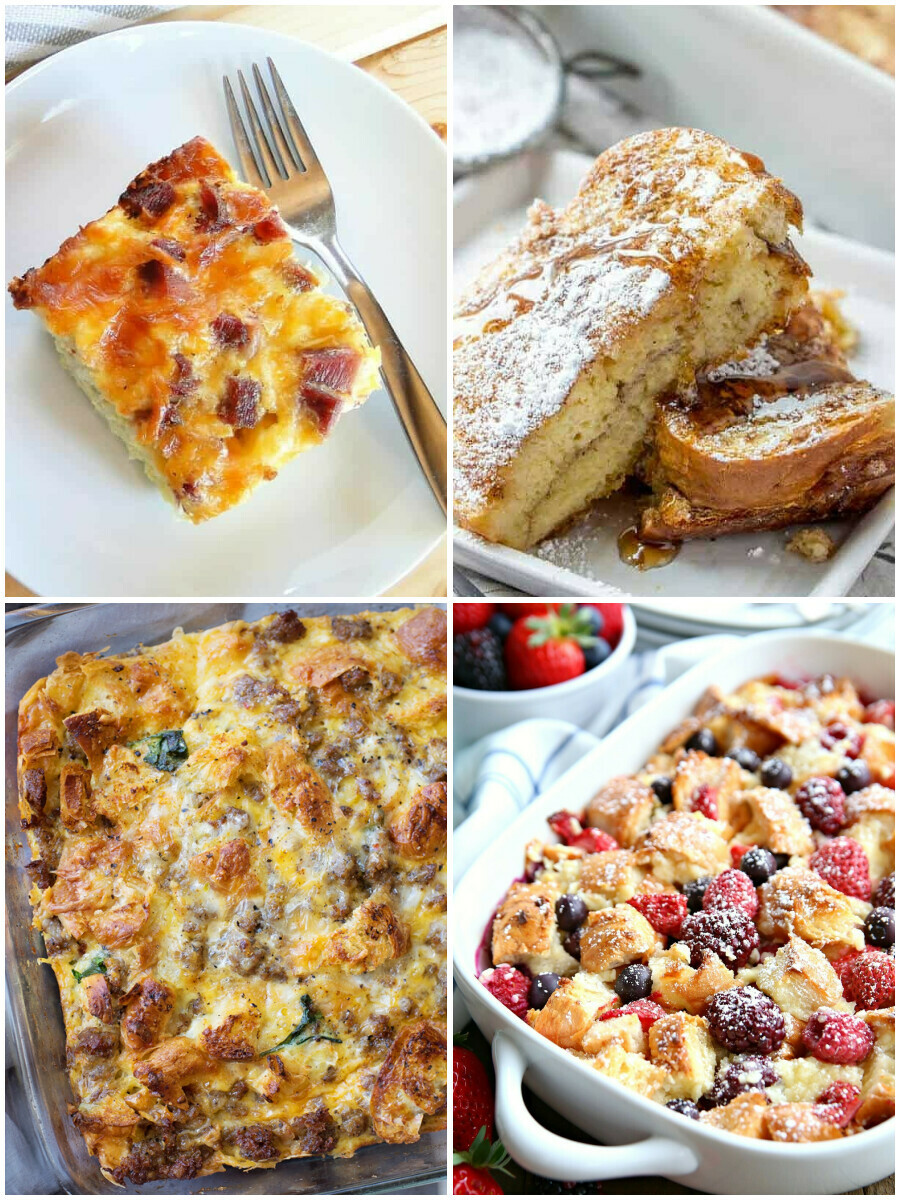
Introduction
Breakfast recipes baking transforms raw morning staples into structured, golden-brown comfort foods through precise thermal expansion and protein coagulation. According to the USDA Food Safety and Inspection Service (FSIS), ensuring that egg- and dairy-based morning casseroles reach an internal temperature of 160°F prevents foodborne illness while maintaining desired structural integrity. Mastering these traditional morning techniques provides home cooks with reliable methods to produce exceptional morning comfort foods. Exploring dependable resources like Breakfast Recipes delivers essential inspiration for morning meal planners.
Culinary Prep Snapshot:
- Core Focus: Baking traditional morning comfort dishes utilizing time-tested thermal and mixing methods.
- Target Scope: Family kitchens requiring reliable, scalable morning meals and make-ahead casseroles.
- Key Recommendation: Always chill butter thoroughly before cutting into dry ingredients to guarantee flakiness.
Core Principles and Detailed Overview
Traditional breakfast baking relies on the precise chemical reaction between leavening agents, heat, and moisture to yield superior texture and flavor. Cold fats trapped within flour layers melt during the baking process, releasing steam that creates characteristic flaky pockets in biscuits, scones, and pastries. Meanwhile, sweet morning quick breads and savory breakfast stratas depend on accurate oven calibration to achieve uniform internal moisture without overcooking the outer crust. Maintaining accurate oven temperatures ensures that starches gelatinize properly and proteins set without collapsing the delicate crumb structure. Explore more in our Beef & Pork Recipes collection.
Key Specifications and Breakdown
| Cooking Step / Component | Key Culinary Technique | Chef’s Quality & Food Safety Secret |
|---|---|---|
| Flaky Pastry Fats | Cut-in method using chilled unsalted butter. | Keep ingredients refrigerated until the moment of mixing to prevent premature fat melting. |
| Casserole Binding | Gentle incorporation of dairy and whole eggs. | Rest assembled strata overnight to ensure total bread hydration and even heat transfer. |
| Quick Bread Rise | Activation of chemical leavening agents. | Avoid overmixing batter once liquids are added to prevent tough gluten development. |
Safe Internal Cooking Temperatures for Egg-Containing Morning Casseroles — USDA Food Safety and Inspection Service (FSIS)
Step-by-Step Practical Application and Guidelines
Successful morning baking requires meticulous ingredient staging, accurate weighing, and adherence to established oven staging protocols. Measure dry ingredients by weight rather than volume to maintain consistent ratios across successive baking sessions. Preheat the oven thirty minutes prior to loading to guarantee that thermal radiant energy matches recipe requirements instantly. Rotating pans halfway through the designated cooking cycle compensates for localized hot spots within standard domestic ovens, promoting even browning across all baked breakfast items.
Common Challenges and How to Avoid Them
Dense biscuits and dry morning cakes usually stem from over-manipulated gluten networks or expired leavening agents. Testing baking powder freshness in warm water verifies chemical activity before mixing dry ingredients. Furthermore, avoiding excessive kneading keeps pastry dough tender and light. Monitoring visual cues such as golden-brown crusts and clean wooden tester insertions prevents the common mistake of prematurely removing breakfast bakes from the heat source.
💬 Frequently Asked Questions
Explore More Time-Tested Home Recipes on WillyRecipes
Mastering morning baking techniques opens the door to countless traditional culinary creations for family gatherings. Expanding kitchen repertoires with dependable comfort food classics ensures satisfying meals every day of the week. Discover additional inspiration, traditional techniques, and reliable cooking guides by visiting the main hub at WillyRecipes.com for all home cooking needs.
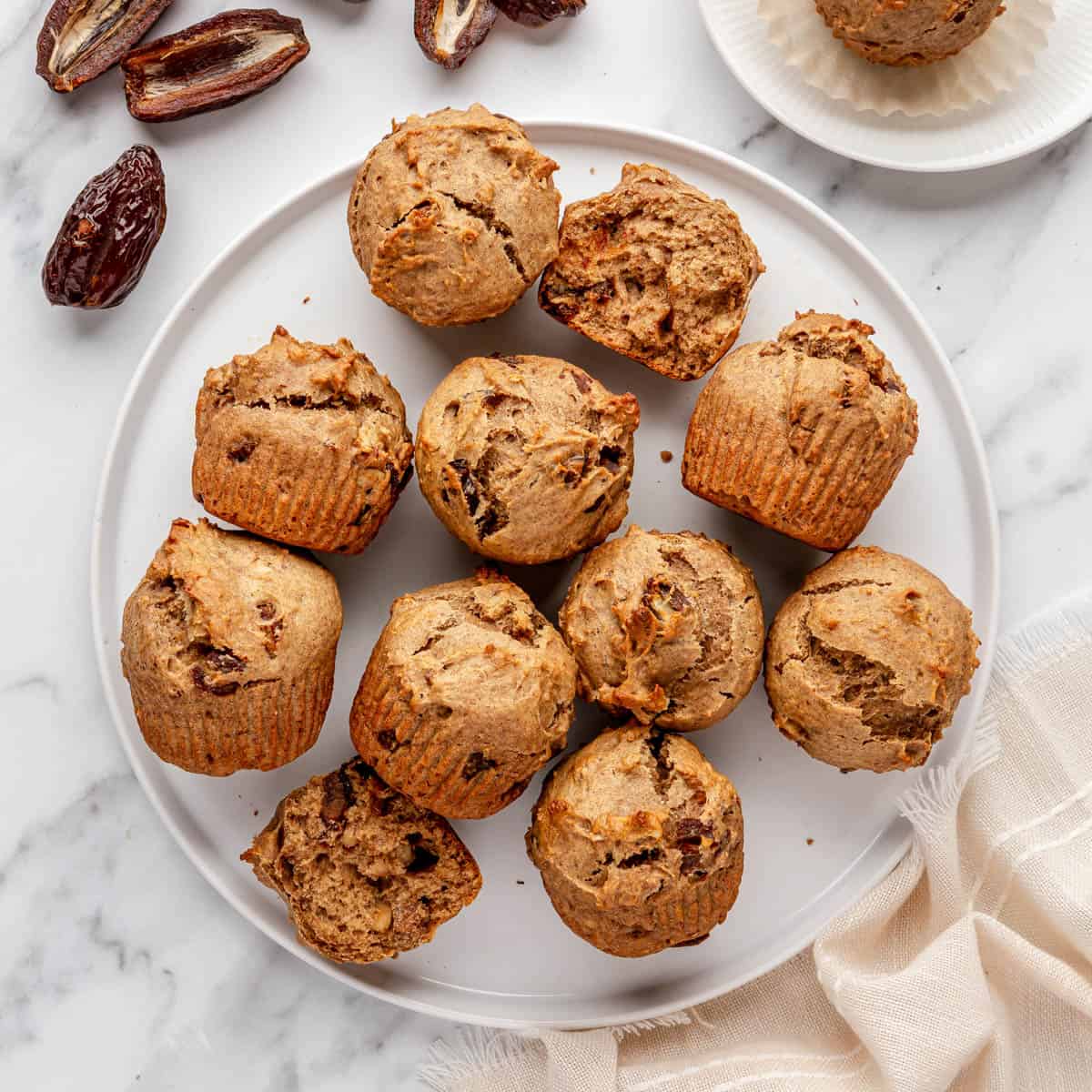
Recipe Step Photos & Variations