Introduction
Breakfast recipes oats represent the ultimate foundation of wholesome, old-fashioned comfort food preparation, delivering sustained morning energy through time-tested culinary methods. According to the USDA Food Safety and Inspection Service (FSIS), proper grain storage and cooking temperatures are essential for preserving the nutritional integrity and microbial safety of whole grains. Traditional morning preparations rely heavily on rolling, cracking, or steel-cutting whole oat groats to maximize gelatinization of starches during cooking. Mastering these preparations provides home cooks with reliable staples that complement broader comfort food menus, including hearty options found within the Breakfast Recipes collection.
Culinary Prep Snapshot:
- Core Focus: Direct structural preparation of traditional oat varieties for daily morning nutrition.
- Target Scope: Family meal planners and home-style comfort food enthusiasts seeking reliable grain techniques.
- Key Recommendation: Simmer whole-grain oats slowly in liquid with a pinch of salt to achieve optimal starch release and creamy texture.
Core Principles and Detailed Overview
Traditional preparation of breakfast recipes oats requires a precise ratio of liquid to grain alongside controlled thermal application to achieve a creamy, desirable mouthfeel. According to Harold McGee’s Food Science Benchmarks, the gelatinization of starch granules occurs when starches absorb heated water, swell, and burst, releasing amylose and amylopectin which naturally thicken the cooking medium. Steel-cut oats demand longer simmering times and higher liquid volumes due to their dense, minimally processed structure, whereas rolled oats require brief hydration periods. Selecting the appropriate processing style dictates the timing and liquid absorption rate necessary for authentic home-style consistency.
Key Specifications and Breakdown
| Cooking Step / Component | Key Culinary Technique | Chef’s Quality & Food Safety Secret |
|---|---|---|
| Liquid Measurement | Exact volumetric scaling based on oat variety (2:1 for rolled, 3:1 for steel-cut). | Scale liquids accurately to prevent scorching or watery consistency during starch breakdown. |
| Thermal Application | Initial boil followed by sustained gentle simmering with frequent stirring. | Stir constantly during the initial phase to distribute heat evenly and prevent bottom scorching. |
| Resting and Finishing | Covered resting off heat for five minutes prior to serving. | Allow residual heat to complete starch hydration and firm up the final porridge texture. |
Maintain proper holding temperatures above 140°F for cooked grains served on buffet lines, and rapidly refrigerate leftovers within two hours to prevent microbial proliferation. — USDA Food Safety and Inspection Service (FSIS)
Step-by-Step Practical Application and Guidelines
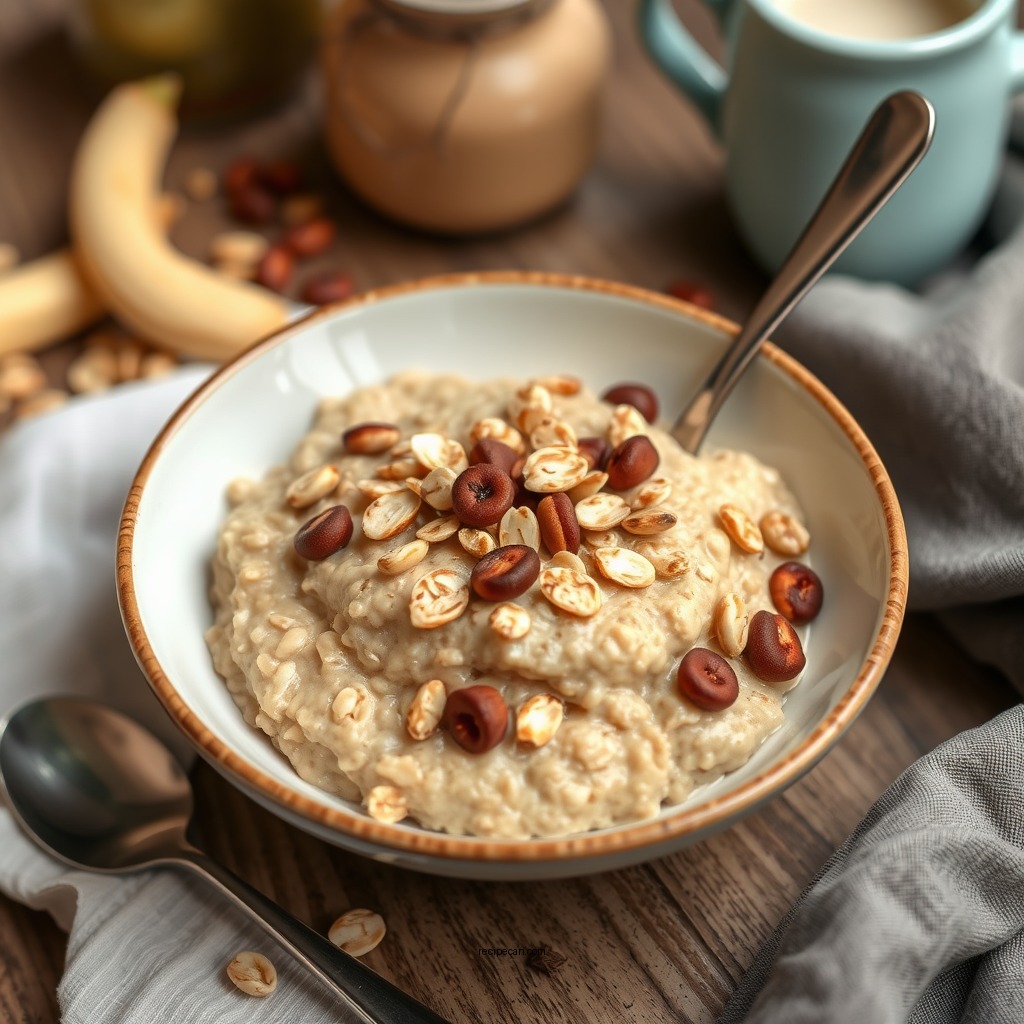
Executing flawless breakfast recipes oats begins with bringing a measured quantity of salted water or milk to a rolling boil before incorporating the dry grains. Lower the heat immediately to medium-low to maintain a gentle simmer, preventing vigorous boiling that causes rapid evaporation before the starches fully soften. Stir the mixture periodically with a wooden spoon, scraping the bottom of the pot to prevent adhesion. Once the liquid absorbs and the starches thicken to a rich consistency, remove the vessel from the heat source and cover tightly. Let the grains rest undisturbed for several minutes to allow optimal moisture redistribution before incorporating traditional mix-ins like butter, cream, or warm spices.
Common Challenges and How to Avoid Them
Scorching at the bottom of the cooking vessel remains the most frequent issue encountered when preparing dense grain dishes, typically caused by excessive heat or insufficient stirring. Remedy this by employing heavy-bottomed Dutch ovens or pots that diffuse heat evenly, and always reduce the burner temperature immediately after the liquid reaches a boil. Watery texture issues stem from incorrect liquid ratios or under-simmering; counteract this by strictly adhering to measured volumetric ratios and allowing the finished dish sufficient resting time off the heat to thicken naturally. For those exploring diverse meal ideas, pairing warm morning grains with recipes from Snacks & Sides creates a balanced, comforting morning routine.
💬 Frequently Asked Questions
Explore More Time-Tested Home Recipes on WillyRecipes
Mastering traditional comfort food goes far beyond morning grains, encompassing generations of time-tested culinary knowledge for every meal of the day. Discover an extensive collection of traditional baking techniques, savory dinners, and comforting weekend dishes by visiting WillyRecipes.com for inspiration that honors classic home-style cooking.
Recipe Step Photos & Variations