Introduction
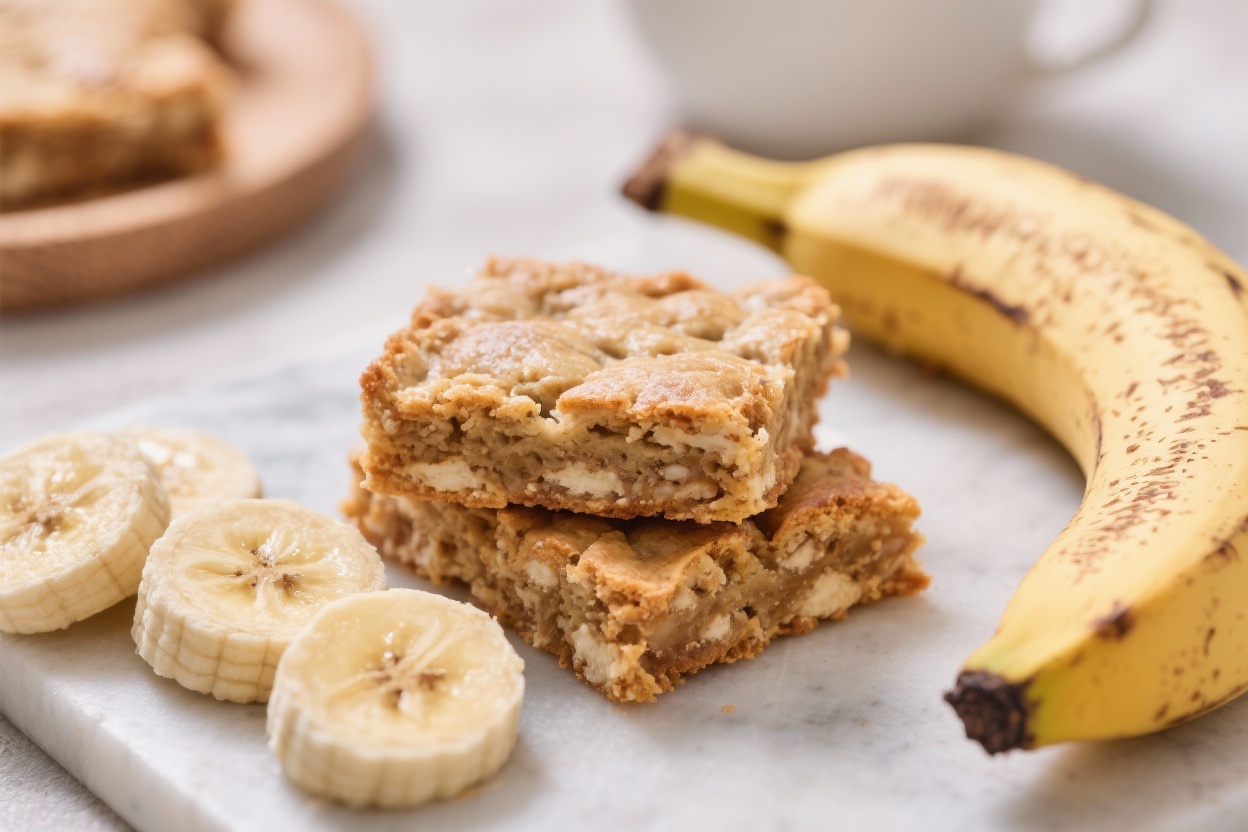
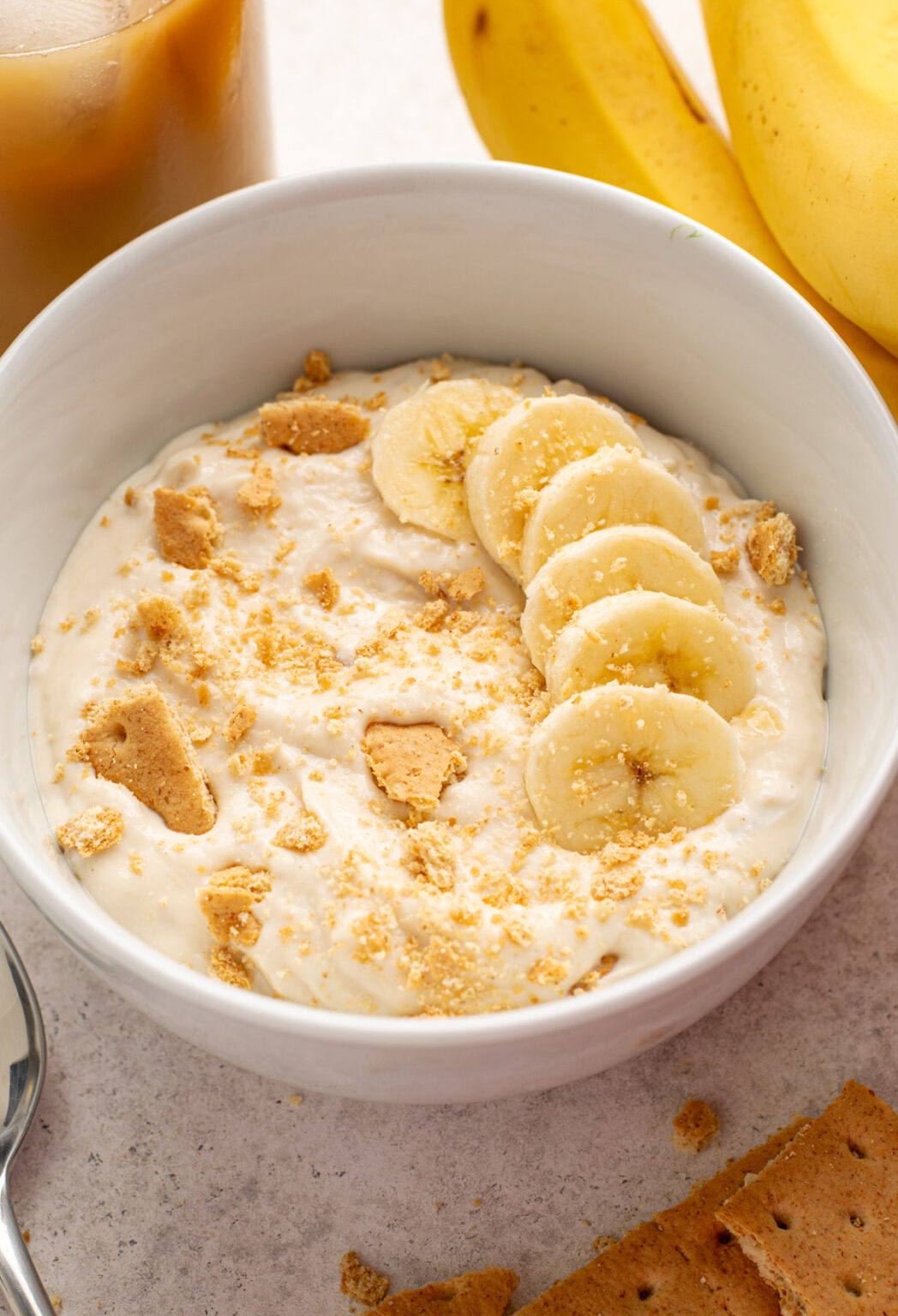
Breakfast recipes using bananas provide an exceptionally nutritious, cost-effective, and versatile foundation for traditional home-style morning meals. According to Culinary Institute of America (CIA) Standards, incorporating overripe fruit into morning batters adds vital natural moisture and sweetness, reducing the need for refined sugars while enhancing overall crumb structure. Traditional comfort food preparation relies heavily on these dense, starchy fruits to anchor comforting morning dishes ranging from griddle cakes to baked casseroles. Home cooks seeking reliable comfort food inspiration can explore broader categories like Breakfast Recipes for additional morning inspiration. Achieving consistent texture requires a deep understanding of fruit ripeness, starch conversion, and proper thermal application within traditional cooking frameworks.
Culinary Prep Snapshot:
- Core Focus: Utilizing overripe bananas to create moist, flavorful, and structurally sound traditional breakfast dishes.
- Target Scope: Everyday morning meal preparation for family households favoring wholesome, comforting classics.
- Key Recommendation: Select heavily speckled or completely blackened fruit to maximize natural sweetness and ease of mashing.
Core Principles and Detailed Overview
Mastering breakfast recipes using bananas depends upon recognizing the chemical changes that occur as starches naturally convert into simple sugars during the ripening process. Overripe fruit functions simultaneously as a binding agent, a natural sweetener, and a moisture provider, eliminating excess fat requirements in traditional batters. Culinary professionals emphasize that brown-spotted specimens possess the ideal moisture content for incorporation into Desserts & Baking projects as well as griddle staples. Thermal processing activates the remaining starches, solidifying the surrounding batter while caramelizing the natural sugars against hot cast-iron surfaces. Precise temperature control prevents scorching, ensuring that the delicate fruit sugars caramelize evenly without developing an acrid flavor profile.
Key Specifications and Breakdown
| Cooking Step / Component | Key Culinary Technique | Chef’s Quality & Food Safety Secret |
|---|---|---|
| Fruit Selection | Evaluating peel pigmentation and structural give | Utilize fully speckled bananas to ensure maximum natural sucrose conversion. |
| Mashing and Blending | Thorough manual breakdown using a sturdy fork | Leave minor structural lumps to create appealing pockets of moisture in the final crumb. |
| Thermal Application | Moderate-heat griddling or standard oven baking | Maintain medium-low heat to prevent external burning before internal starches fully gelatinize. |
Proper handling of perishable fruit ingredients requires maintaining strict hygiene standards to prevent cross-contamination in home kitchens — USDA Food Safety and Inspection Service (FSIS)
Step-by-Step Practical Application and Guidelines
Executing flawless breakfast dishes featuring bananas begins with thorough preparation, including gathering room-temperature dairy, unbleached flour, and uniformly mashed fruit. Combining wet ingredients separately from dry components prevents overworking the gluten strands, which guarantees a tender and delicate final crumb structure. Gentle folding techniques ensure the mashed fruit distributes evenly throughout the batter without expelling trapped air pockets necessary for proper leavening. When transferring the mixture to preheated cast-iron skillets or baking dishes, maintaining consistent thermal energy allows the natural fruit sugars to brown uniformly. Allowing the finished morning dish to rest for five to ten minutes before slicing permits internal moisture redistribution, optimizing both structural integrity and flavor release.
Common Challenges and How to Avoid Them
Preventing gummy textures in breakfast recipes using bananas requires careful measurement of moisture levels and avoiding under-baked centers. Excessively dense results usually stem from using under-ripe fruit, which lacks the necessary sugar concentration and introduces unwanted raw starch flavors. Utilizing specialized approaches found in Cooking Methods & Appliances helps home cooks calibrate oven temperatures and utilize heavy-bottomed pans effectively. Monitoring internal doneness with a wooden skewer ensures the dense batter is fully set from edge to center before removal from the heat source. Adjusting liquid measurements downward when adding exceptionally large or high-moisture bananas prevents the final baked good from collapsing upon cooling.
💬 Frequently Asked Questions
Explore More Time-Tested Home Recipes on WillyRecipes
Continuing culinary education involves exploring traditional comfort foods, heritage baking techniques, and reliable family meal plans across diverse categories. Home cooks dedicated to mastering old-fashioned kitchen arts can discover endless inspiration by visiting WillyRecipes.com for expertly crafted guides, classic techniques, and wholesome everyday dishes designed to delight dinner tables and morning gatherings alike.
Recipe Step Photos & Variations