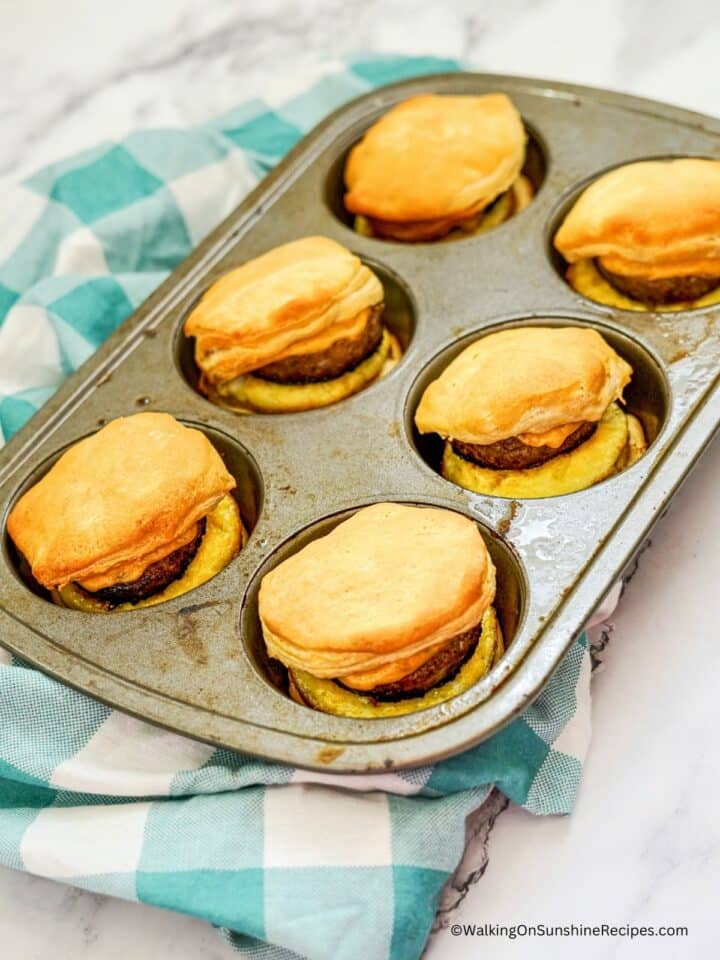
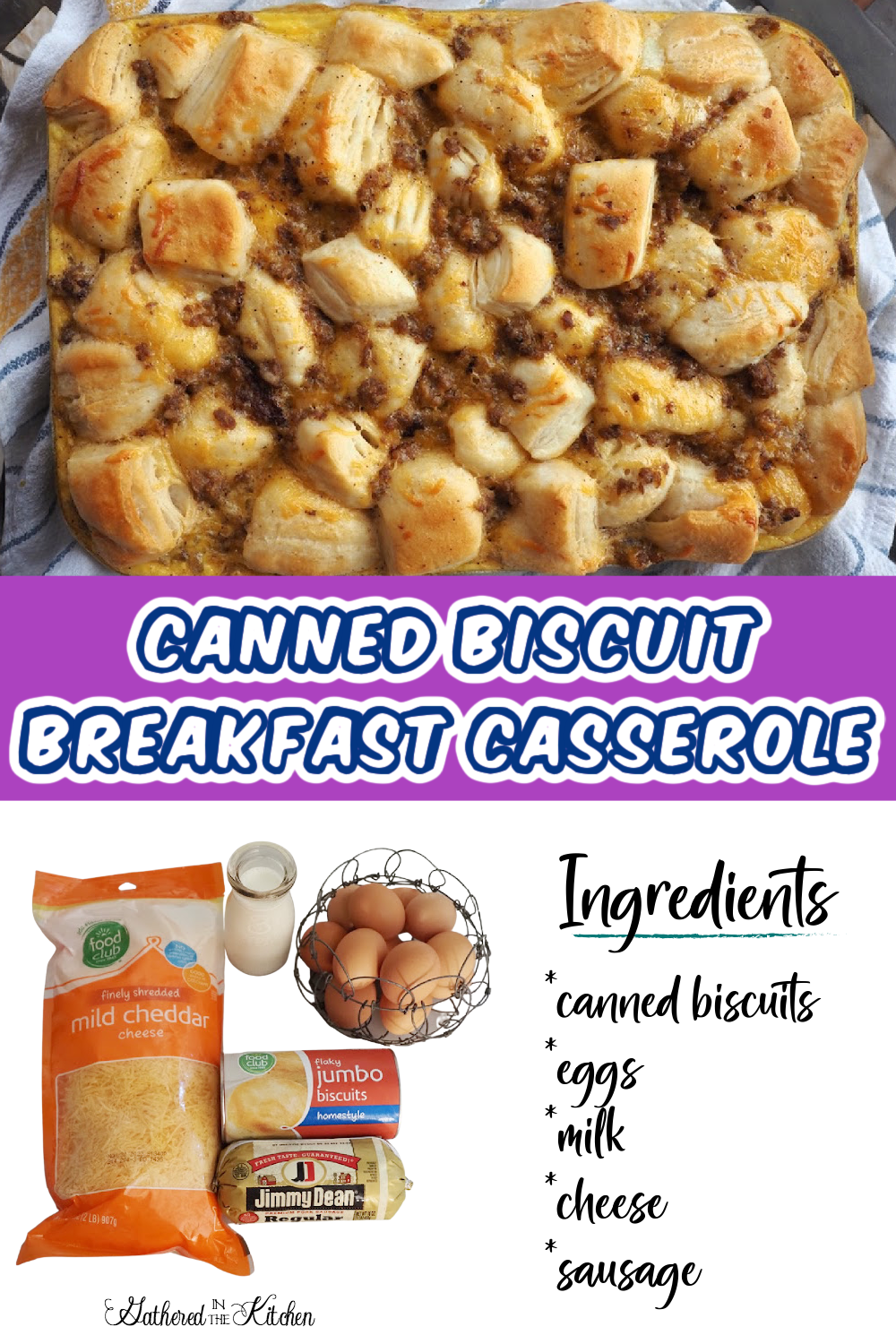
Introduction
Breakfast recipes using canned biscuits provide home cooks with a dependable, time-saving foundation for crafting traditional, comforting morning meals without sacrificing structural integrity or flavor. According to the USDA Food Safety and Inspection Service (FSIS), commercially prepared refrigerated dough products must be handled and baked according to strict temperature controls to ensure proper leavening activation and complete structural set. Mastering these convenient dough formats allows traditional comfort food enthusiasts to prepare hearty casseroles, skillet monkey breads, and stuffed breakfast pockets efficiently. Exploring additional ideas within the Breakfast Recipes archive expands daily meal planning options while respecting classic home-style techniques.
Culinary Prep Snapshot:
- Core Focus: Utilizing refrigerated canned biscuit dough for fast, traditional breakfast dishes.
- Target Scope: Family morning meal planning, comfort food casseroles, and baked skillet applications.
- Key Recommendation: Separate individual dough layers and pre-bake or coat appropriately to prevent doughy, undercooked centers.
Core Principles and Detailed Overview
Breakfast recipes using canned biscuits rely on pre-mixed chemical leaveners and laminated fats to create flaky layers that absorb savory gravies and sweet glazes alike. Direct answer: maximizing the textural potential of canned dough requires precise oven calibration and strategic moisture management to prevent the interior from turning dense during baking. Traditional home-style cooking approaches utilize these versatile disks as a blank canvas for savory sausage breakfast rings, sweet pull-apart cinnamon pastries, and quick skillet pies. Understanding the chemical behavior of commercial shortening and baking soda inside the sealed can ensures the dough rises uniformly when subjected to high dry heat, a foundational principle supported by standards from the Culinary Institute of America (CIA).
Key Specifications and Breakdown
| Cooking Step / Component | Key Culinary Technique | Chef’s Quality & Food Safety Secret |
|---|---|---|
| Dough Preparation | Quarters or manual separation of layers | Keep dough chilled until the exact moment of assembly to maintain butter lamination pockets. |
| Thermal Transfer | Cast-iron skillet or heavy ceramic baking dish | Preheat baking vessels to guarantee immediate bottom crust browning and eliminate gummy layers. |
| Binding Agents | Whole eggs, heavy cream, and sharp cheese | Incorporate binding liquids gradually to prevent the porous biscuit exterior from disintegrating prematurely. |
Refrigerated dough must be baked at proper oven temperatures to ensure complete starch gelatinization and pathogen destruction throughout thick layers — USDA Food Safety and Inspection Service (FSIS)
Step-by-Step Practical Application and Guidelines
Executing successful comfort food dishes with canned biscuits involves precise cutting, thoughtful layering, and monitored convection baking. Direct answer: cut each biscuit into uniform quarters using a floured bench scraper to ensure even cooking times across casseroles and pull-apart loaves. Arrange the dough pieces loosely in a greased baking vessel, allowing adequate space for expansion and steam release. Pour savory egg mixtures or melted butter blends over the dough just before placing the pan into a preheated oven set between 375°F and 400°F. Monitor the top crust closely during the final five minutes of baking, covering loosely with aluminum foil if excessive browning occurs before the interior fully cooks.
Common Challenges and How to Avoid Them
Gummy centers and raw dough pockets represent the most frequent obstacles encountered when baking with refrigerated biscuit products. Direct answer: avoid overcrowding baking dishes and ensure that wet ingredients are distributed evenly so excess liquid does not trap moisture inside the center of the dough pieces. When preparing heavy casseroles, baking at a slightly lower temperature for an extended duration allows heat to penetrate thick ingredient layers without burning the exterior. Utilizing high-performance bakeware from the Cooking Methods & Appliances selection also optimizes thermal distribution for flawless morning bakes.
💬 Frequently Asked Questions
Explore More Time-Tested Home Recipes on WillyRecipes
Mastering comfort food classics opens the door to countless traditional dishes designed for family gatherings and hearty morning feasts. Discover additional inspiration, step-by-step baking guides, and time-tested culinary techniques by visiting WillyRecipes.com for everyday meal solutions.
Recipe Step Photos & Variations