Introduction
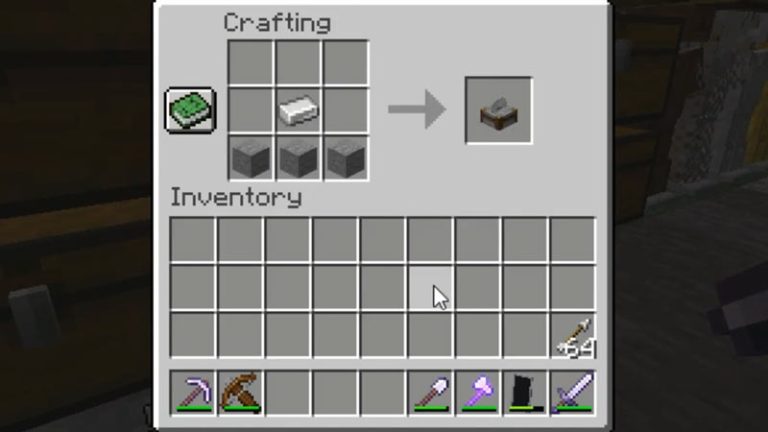
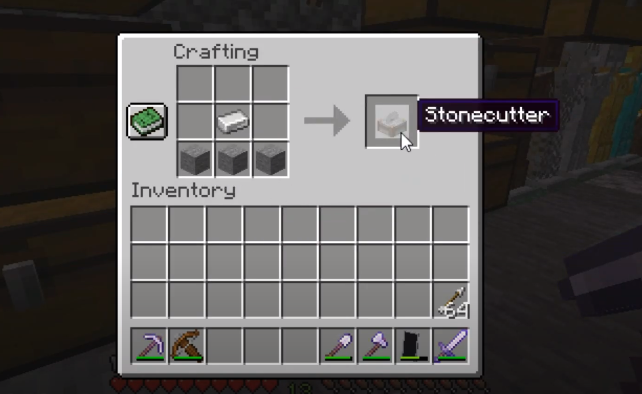
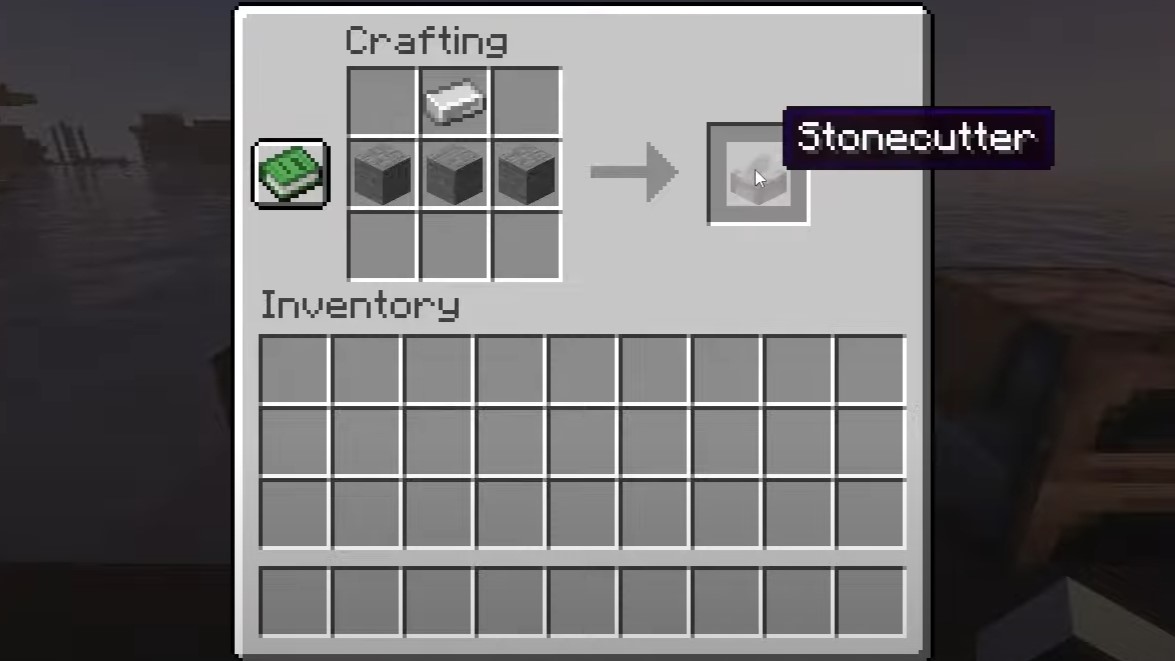
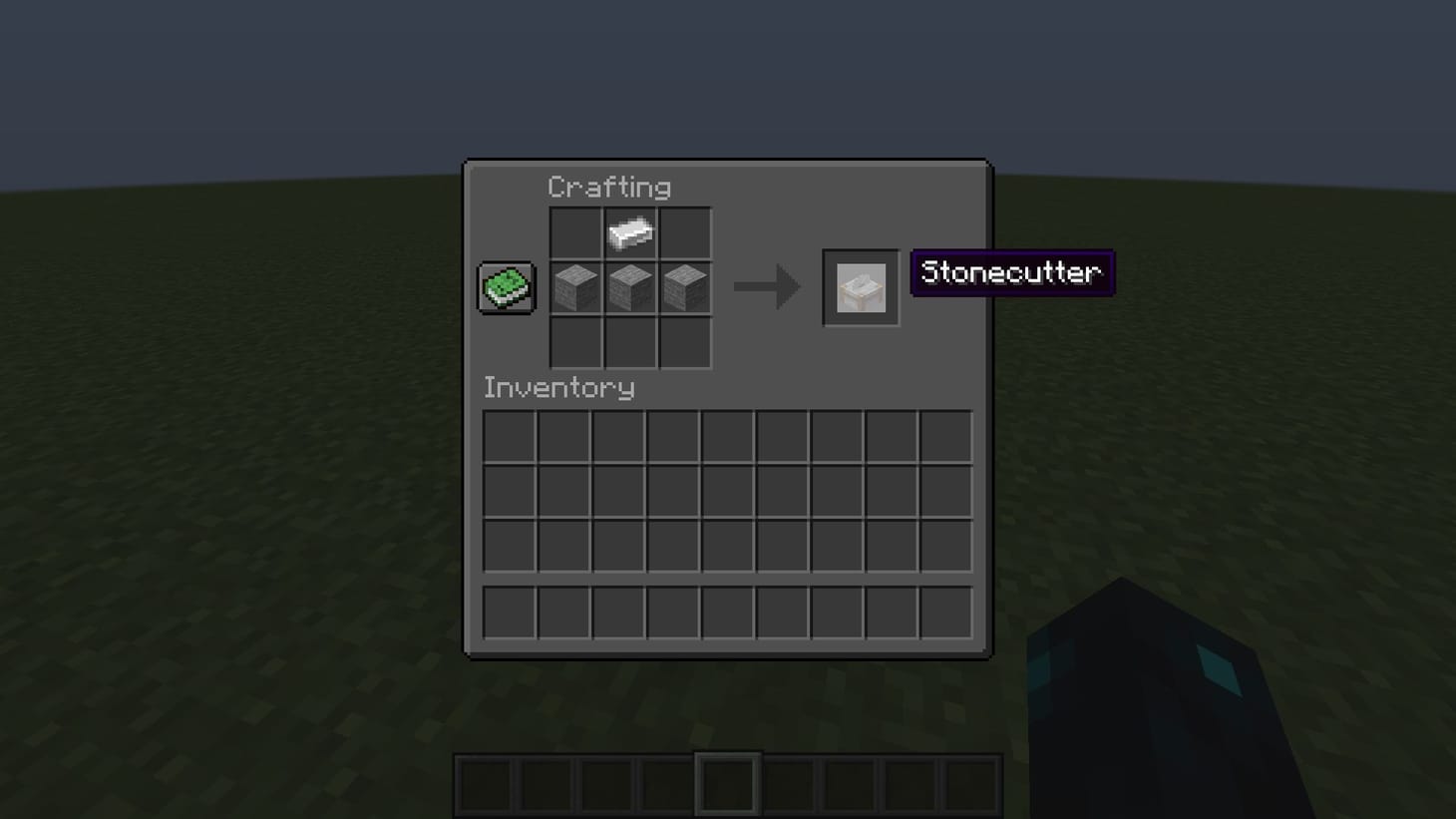
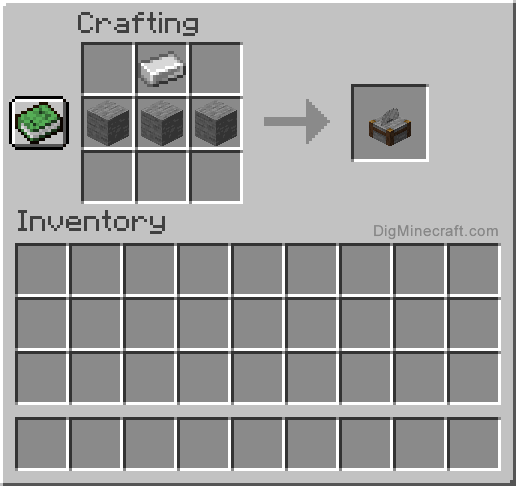
The term “stonecutter crafting recipe” evokes a sense of creation and precision, similar to crafting with stone. While not a literal food recipe, this analogy can inspire culinary creations that require meticulous preparation and attention to detail. This article explores the concept of “stonecutter crafting recipe” by applying its essence to a dish that requires careful construction and presentation, focusing on a layered vegetable terrine. This dish, like stonecutting, demands patience and skill but yields a visually stunning and flavorful result.
💡 Recipe Key Takeaways:
- Core Flavor: Easy-to-follow, delicious culinary preparation for Stonecutter Crafting Recipe.
- Target Scope: Quick weeknight family dinners, home cooking, and festive meal planning.
- Chef Tip: Prep all measured ingredients in advance (mise en place) to ensure even cooking and optimal texture.
Ingredients
For this vegetable terrine, consider the following: Base Vegetables: 2 large bell peppers (red, yellow, orange), 2 medium zucchini, 2 medium yellow squash, 1 large eggplant. These provide structure and color. Binder: 1 package (8 ounces) cream cheese, softened; 1/2 cup heavy cream; 2 tablespoons gelatin powder; 1/4 cup cold water. Gelatin helps the terrine hold its shape. Flavor Enhancers: 2 cloves garlic, minced; 1/4 cup fresh basil, chopped; 1/4 cup fresh parsley, chopped; salt and freshly ground black pepper to taste; a drizzle of balsamic glaze (optional). Substitutions: Other vegetables such as asparagus, carrots (thinly sliced and blanched), or mushrooms can be incorporated. Vegan cream cheese substitutes and agar-agar can be used for vegetarian variations. Related guide: Borderlands The Pre Sequal All Grinder Recipies.
Preparation Steps
Proper preparation is key to a successful terrine: Vegetable Preparation: Wash and trim all vegetables. Slice the bell peppers lengthwise into flat pieces. Slice the zucchini, yellow squash, and eggplant lengthwise into thin (1/8-inch) slices. This ensures even cooking and a consistent texture. Softening the Cream Cheese: Allow the cream cheese to come to room temperature for easy mixing. Beat it until smooth and creamy. Preparing the Gelatin: In a small bowl, sprinkle the gelatin powder over the cold water. Let it stand for 5-10 minutes to soften (bloom). Tip: Using a mandoline can significantly speed up the slicing process and ensure uniform thickness.
Cooking Instructions
Creating the vegetable terrine involves layering and baking: 1. Blanching the Vegetables: Bring a large pot of salted water to a boil. Blanch each type of vegetable separately for 1-2 minutes until slightly softened. Immediately transfer the blanched vegetables to an ice bath to stop the cooking process and preserve their vibrant colors. Pat dry with paper towels. 2. Preparing the Cream Cheese Mixture: In a small saucepan, gently heat the bloomed gelatin over low heat until it is completely dissolved. Be careful not to boil it. Stir the dissolved gelatin into the softened cream cheese, along with the heavy cream, minced garlic, chopped basil, and chopped parsley. Season with salt and pepper to taste. Mix well until smooth. 3. Assembling the Terrine: Line a loaf pan (approximately 9×5 inches) with plastic wrap, leaving enough overhang on all sides to easily lift the terrine out later. 4. Layering: Begin by placing a layer of the bell pepper slices along the bottom and sides of the loaf pan, overlapping slightly. Spread a thin layer of the cream cheese mixture over the bell peppers. Continue layering with the zucchini, yellow squash, and eggplant, spreading a thin layer of the cream cheese mixture between each vegetable layer. 5. Final Layer: Finish with a layer of bell peppers or the vegetable of your choice. Fold the overhanging plastic wrap over the top of the terrine. 6. Chilling: Place a weight (such as a can of beans or a brick wrapped in foil) on top of the terrine to compress the layers. Refrigerate for at least 6 hours, or preferably overnight, to allow the terrine to set completely. 7. Unmolding and Serving: To unmold, lift the overhanging plastic wrap to remove the terrine from the loaf pan. Place it on a serving platter. Slice into 1/2-inch thick slices with a sharp knife. Temperature and Timing: Blanch vegetables for 1-2 minutes each. Refrigerate assembled terrine for at least 6 hours, or overnight.
Serving Suggestions
The vegetable terrine is a versatile dish: Serve as an appetizer or a light lunch. Pair with crusty bread, crackers, or crostini. Garnish with fresh herbs, a drizzle of balsamic glaze, or a sprinkle of Parmesan cheese. Serve alongside a mixed green salad with a vinaigrette dressing. Plate the slices attractively, alternating the vegetable layers for visual appeal.
Tips and Common Mistakes
To perfect the vegetable terrine: Don’t overcook the vegetables: Blanching should only soften them slightly. Overcooked vegetables will become mushy and lose their shape. Ensure the gelatin is fully dissolved: Undissolved gelatin can result in a grainy texture. Use a sharp knife: A sharp knife will ensure clean slices when serving. Pat vegetables dry: Excess moisture can prevent the cream cheese mixture from adhering properly. Weight the terrine properly: Using a sufficient weight is crucial for compressing the layers and achieving a firm, cohesive terrine.
Explore More Cooking Guides
Learning to create a “stonecutter crafting recipe” inspired vegetable terrine offers a delightful culinary experience. Its beautiful presentation, refreshing flavors, and adaptability make it a perfect choice for any occasion. This dish, like crafting with stone, rewards patience and precision, providing a satisfying sense of accomplishment. We invite readers to try crafting this terrine at home and explore more innovative cooking guides at website.com. Discover your inner culinary artist and elevate your next meal with a touch of “stonecutter” finesse!
Preparation & Cooking Specifications
| Prep Step | Estimated Time | Chef’s Best Practice |
|---|---|---|
| Mise en Place & Chopping | 10 – 15 Minutes | Keep ingredients uniform for even cooking |
| Active Cooking / Searing | 15 – 25 Minutes | Preheat skillet thoroughly before adding oil |
| Resting & Plating | 5 Minutes | Allow juices to redistribute before slicing |
Images References
Looking for more delicious meal ideas? Explore our tested Special Recipes collection for easy, family-friendly recipes.
Images References