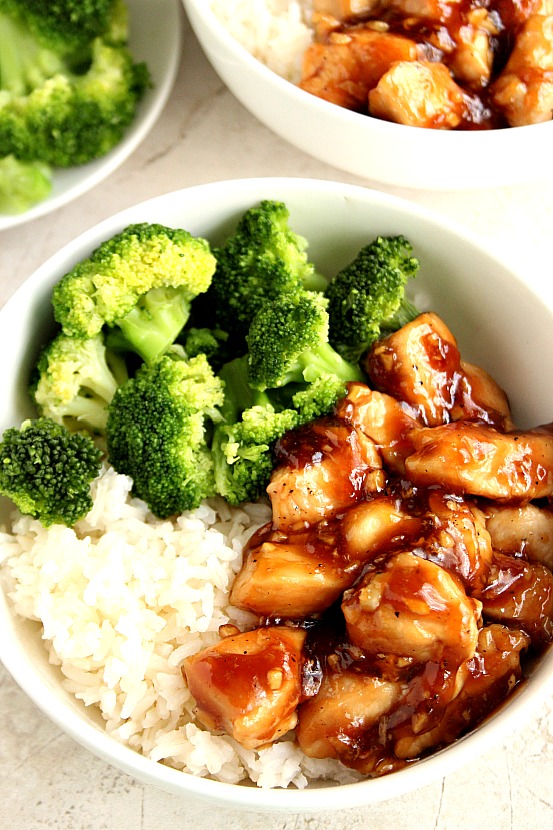
Introduction
Traditional chicken recipes for slow cooker rely on low-temperature, prolonged moist-heat conduction to transform economical poultry cuts into tender, deeply flavorful comfort foods. According to the USDA Food Safety and Inspection Service (FSIS), maintaining safe holding temperatures above 140°F while cooking poultry to an internal temperature of 165°F ensures absolute pathogen destruction without sacrificing structural moisture. This time-tested appliance method mimics old-fashioned Dutch oven braising, gently breaking down tough connective tissue in chicken thighs and breasts. For complementary poultry inspiration and traditional cooking techniques, explore the dedicated collection found within Chicken Recipes.
Culinary Prep Snapshot:
- Core Focus: Utilizing low-temperature, moist-heat cooking to achieve exceptionally tender poultry dishes.
- Target Scope: Everyday family meal planning focused on traditional comfort foods and old-fashioned braising.
- Key Recommendation: Select bone-in, skin-on cuts for maximum collagen extraction and richer sauce consistency.
Core Principles and Detailed Overview
Mastering chicken recipes for slow cooker requires understanding how gelatinization of collagen occurs during extended cooking intervals. Direct answer: Collagen breaks down into velvety gelatin when subjected to sustained moist heat between 190°F and 205°F for several hours, creating a naturally thickened sauce. Unlike dry-heat methods that easily dry out lean poultry, the enclosed ceramic vessel traps escaping steam and renders natural fats downward. This continuous baste preserves the juiciness of breast meat while turning dark meat fork-tender. Culinary instructors recommend pairing poultry with mild acidic elements like tomatoes or citrus juice to balance the rich mouthfeel. Further exploration of traditional heat application can be found in Cooking Methods & Appliances.
Key Specifications and Breakdown
| Cooking Step / Component | Key Culinary Technique | Chef’s Quality & Food Safety Secret |
|---|---|---|
| Cut Selection | Bone-in integration | Bones release essential minerals and natural gelatin, significantly enhancing body and flavor. |
| Liquid Ratio | Controlled reduction | Limit added stock because poultry naturally releases substantial water content during extended heating. |
| Thickening Finish | Starch slurry addition | Incorporate cornstarch or butter-flour paste during the final thirty minutes to achieve glossy consistency. |
Poultry must reach an internal temperature of 165°F verified with a calibrated food thermometer to guarantee complete food safety. — USDA Food Safety and Inspection Service (FSIS). Related guide: Sesame Beef Recipe.
Step-by-Step Practical Application and Guidelines
Executing flawless chicken recipes for slow cooker involves systematic layering of aromatics, proteins, and liquids inside the ceramic insert. Direct answer: Place root vegetables and aromatics at the very bottom of the appliance, positioning the chicken directly on top to ensure optimal heat exposure and prevent scorching. Season the poultry with salt, coarse pepper, and traditional herbs before pouring any cooking liquid around the edges rather than directly over the skin. Keep the glass lid securely sealed throughout the designated cooking cycle, as lifting the lid releases vital steam and extends overall cooking time by twenty minutes per glance. Once tender, shred or portion the meat directly in its seasoned juices for maximum absorption of flavor.
Common Challenges and How to Avoid Them
Preventing rubbery texture and watery sauce is the primary challenge when preparing chicken recipes for slow cooker. Direct answer: Overcooking lean chicken breasts past their required internal temperature causes muscle fibers to tighten and expel all moisture, resulting in a stringy texture. To avoid this, restrict boneless breast cooking times to four hours on low or utilize bone-in chicken thighs which tolerate extended heat much better. Additionally, excessive moisture accumulation can dilute flavors; counteract this by removing the lid during the final thirty minutes to allow excess steam to evaporate or by incorporating a quick-acting starch thickener.
💬 Frequently Asked Questions
Explore More Time-Tested Home Recipes on WillyRecipes
Building a repertoire of comforting, wholesome meals relies on trusted traditional techniques and dependable culinary guidance. Enthusiasts of classic home cooking can expand their recipe collections by browsing through the extensive culinary archives available at WillyRecipes.com for inspiration spanning every meal of the day.
Recipe Step Photos & Variations