Introduction
Irish brown bread, a staple in Ireland, is renowned for its wholesome flavor and slightly dense texture. Unlike many commercially produced breads, it’s typically made without yeast, relying on baking soda and buttermilk for leavening. Its popularity stems from its simplicity, nutritional value, and delicious taste, making it a frequent feature at Irish tables. The ease of preparation makes it a readily cooked option for both novice and experienced bakers.
💡 Recipe Key Takeaways:
- Core Flavor: Easy-to-follow, delicious culinary preparation for Brown Bread Recipe Ireland.
- Target Scope: Quick weeknight family dinners, home cooking, and festive meal planning.
- Chef Tip: Prep all measured ingredients in advance (mise en place) to ensure even cooking and optimal texture.
Ingredients
The essential ingredients for Irish brown bread include: whole wheat flour (also known as brown flour in Ireland), all-purpose flour, baking soda, salt, buttermilk, and optionally, rolled oats and a touch of honey or molasses for added sweetness. For a gluten-free version, a blend of gluten-free flours can be substituted, though the texture may differ slightly. Yogurt or sour milk, thinned with water, can stand in for buttermilk in a pinch. Related guide: Pickled Beets Canning Recipe.
Preparation Steps
Begin by preheating the oven. In a large bowl, whisk together the dry ingredients: whole wheat flour, all-purpose flour, baking soda, and salt. If using, incorporate rolled oats at this stage. In a separate bowl, combine the buttermilk and honey or molasses, if desired. Gradually add the wet ingredients to the dry ingredients, mixing until just combined. Avoid overmixing, as this can lead to a tough bread. The dough should be fairly wet and sticky. A well-greased or parchment-lined loaf pan is essential. Lightly flour hands before transferring the dough to the prepared pan. Smoothing the top is optional; a rustic, uneven surface is characteristic of Irish brown bread.
Cooking Instructions
Baking is the primary cooking method for Irish brown bread. Preheat the oven to 400F (200C). Place the loaf pan in the center of the oven. Bake for 45-50 minutes, or until a toothpick inserted into the center comes out clean. The top of the bread should be a deep golden brown. If the top is browning too quickly, loosely tent it with aluminum foil. Once baked, remove the bread from the oven and let it cool in the pan for about 10 minutes before transferring it to a wire rack to cool completely. This cooling period is crucial for allowing the bread to set properly.
Serving Suggestions
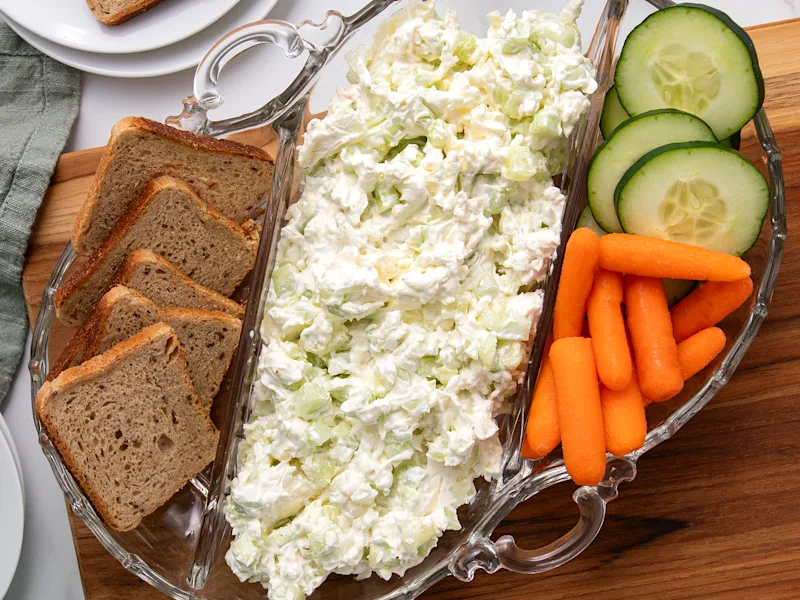
Irish brown bread is incredibly versatile. It’s delicious served warm with butter and jam or marmalade. It pairs perfectly with soups, stews, and salads. In Ireland, it’s traditionally enjoyed with smoked salmon and cream cheese. It also makes an excellent base for open-faced sandwiches or canaps. For a heartier meal, serve it alongside a traditional Irish breakfast with eggs, bacon, and sausage. The slightly nutty flavor of the brown bread complements a wide range of dishes.
Tips and Common Mistakes
One of the most common mistakes is overmixing the dough, resulting in a dense, tough bread. Mix only until the ingredients are just combined. Using fresh baking soda is crucial for proper leavening. Test the baking soda’s potency by adding a small amount to vinegar; it should fizz vigorously. Avoid opening the oven door frequently during baking, as this can cause the bread to collapse. If the bread is browning too quickly, lower the oven temperature slightly or tent the loaf with foil. Allowing the bread to cool completely before slicing is essential for achieving a clean cut and preventing it from becoming gummy.
Explore More Cooking Guides
Learning to bake Irish brown bread provides a taste of Irish culinary heritage and offers a simple yet satisfying baking experience. Its distinctive flavor and texture, combined with its ease of preparation, make it a versatile and enjoyable addition to any home cook’s repertoire. The recipe can be adapted to suit individual preferences, with variations incorporating nuts, seeds, or different types of flour. Try baking this traditional bread at home and discover its unique charm. For more exciting recipes and cooking inspiration, visit website.com.
Preparation & Cooking Specifications
| Prep Step | Estimated Time | Chef’s Best Practice |
|---|---|---|
| Mise en Place & Chopping | 10 – 15 Minutes | Keep ingredients uniform for even cooking |
| Active Cooking / Searing | 15 – 25 Minutes | Preheat skillet thoroughly before adding oil |
| Resting & Plating | 5 Minutes | Allow juices to redistribute before slicing |
Images References
Looking for more delicious meal ideas? Explore our tested Special Recipes collection for easy, family-friendly recipes.