Introduction
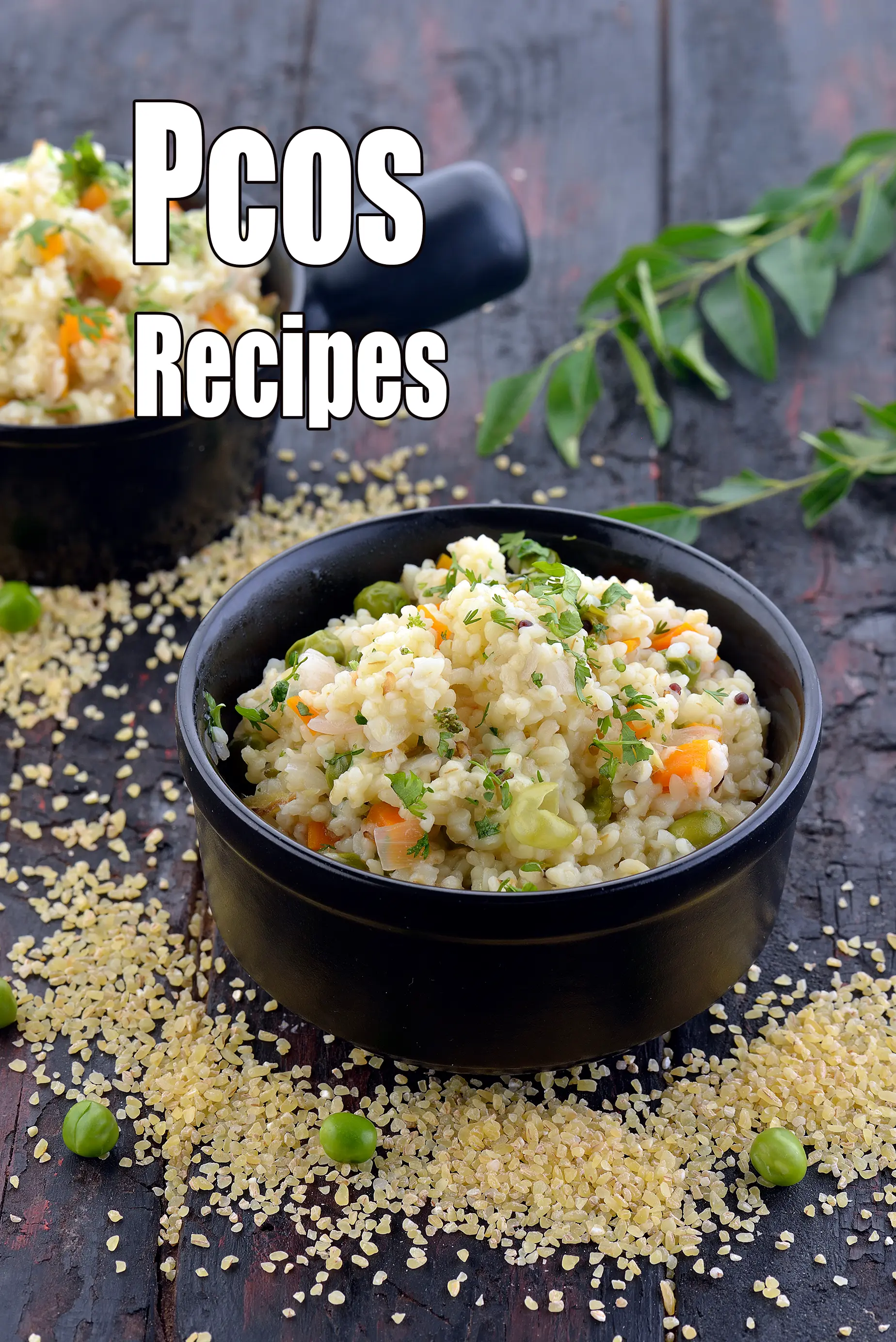
Polycystic Ovary Syndrome (PCOS) affects millions worldwide, and dietary choices play a crucial role in managing its symptoms. “Recipes for Polycystic Ovarian Syndrome” isn’t a single dish but rather a collection of culinary strategies centered around whole, unprocessed foods, balanced macronutrients, and mindful eating. These recipes aim to stabilize blood sugar, reduce inflammation, and support hormonal balance, addressing key concerns for individuals with PCOS. Their increasing popularity reflects a growing awareness of the power of nutrition in managing the condition and improving overall well-being.
💡 Recipe Key Takeaways:
- Core Flavor: Easy-to-follow, delicious culinary preparation for Recipes For Polycystic Ovarian Syndrome.
- Target Scope: Quick weeknight family dinners, home cooking, and festive meal planning.
- Chef Tip: Prep all measured ingredients in advance (mise en place) to ensure even cooking and optimal texture.
Ingredients
The foundation of PCOS-friendly recipes lies in nutrient-dense ingredients. Consider these staples and substitutions:
- Lean Proteins: Chicken breast, turkey, fish (salmon, tuna), beans, lentils, tofu, tempeh. Substitution: Use ground turkey instead of ground beef for a lower-fat option.
- Non-Starchy Vegetables: Leafy greens (spinach, kale), broccoli, cauliflower, bell peppers, zucchini, cucumbers. Substitution: Experiment with different colored vegetables to maximize nutrient intake.
- Complex Carbohydrates: Quinoa, brown rice, oats, sweet potatoes, whole-wheat bread (in moderation). Substitution: Opt for quinoa over white rice for a higher protein and fiber content.
- Healthy Fats: Avocados, nuts (almonds, walnuts), seeds (flaxseed, chia seeds), olive oil, fatty fish. Substitution: Use avocado oil instead of vegetable oil for cooking at higher temperatures.
- Spices and Herbs: Turmeric, cinnamon, ginger, garlic, basil, oregano. These add flavor and possess anti-inflammatory properties.
Preparation Steps
Proper preparation sets the stage for delicious and nutritious PCOS-friendly meals. Focus on the following:
- Vegetable Prep: Thoroughly wash all vegetables. Chop them into uniform sizes for even cooking. Consider roasting vegetables to enhance their natural sweetness.
- Protein Prep: Trim excess fat from meat and poultry. Marinate lean proteins in lemon juice, herbs, and spices to enhance flavor and tenderness. For legumes, soak dried beans overnight to reduce cooking time and improve digestibility.
- Grain Prep: Rinse grains like quinoa and rice before cooking to remove excess starch. This prevents clumping and improves texture.
- Portioning: Be mindful of portion sizes, especially for carbohydrates. A balanced plate should consist primarily of non-starchy vegetables, followed by lean protein and complex carbohydrates.
Cooking Instructions
Several cooking methods are ideal for PCOS-friendly recipes. Here are examples with recommended times and temperatures:
- Roasting Vegetables: Toss vegetables with olive oil, herbs, and spices. Roast at 400F (200C) for 20-30 minutes, or until tender and slightly caramelized. Example: Roasted broccoli with garlic and red pepper flakes.
- Baking Lean Protein: Season chicken breast or fish fillets with herbs and spices. Bake at 375F (190C) for 20-25 minutes, or until cooked through. Example: Baked salmon with lemon and dill.
- Stir-Frying: Use a wok or large skillet. Heat a small amount of oil over medium-high heat. Add vegetables and stir-fry for 5-7 minutes. Add pre-cooked protein (chicken, tofu, shrimp) and stir-fry for another 2-3 minutes. Example: Chicken and vegetable stir-fry with brown rice.
- Slow Cooking: Combine lean protein (like chicken or beef), vegetables, and broth in a slow cooker. Cook on low for 6-8 hours or on high for 3-4 hours. Example: Slow-cooked chicken and vegetable stew. This method enhances flavors and tenderizes tough cuts of meat.
- Boiling Grains: Bring water to a boil. Add grains (quinoa, brown rice) and reduce heat to a simmer. Cook according to package directions. Example: Quinoa salad with roasted vegetables and feta cheese.
Serving Suggestions
Presentation and pairings elevate the dining experience. Consider these ideas:
- Balanced Plates: Create plates that are visually appealing and nutritionally balanced. Include a variety of colors and textures.
- Salads: Combine leafy greens with grilled chicken or fish, roasted vegetables, and a light vinaigrette dressing. Add a sprinkle of nuts or seeds for added texture and healthy fats.
- Side Dishes: Serve roasted vegetables, quinoa, or a simple salad alongside baked protein.
- Garnishes: Use fresh herbs, a squeeze of lemon juice, or a sprinkle of toasted nuts to enhance flavor and visual appeal.
- Meal Prep: Prepare meals in advance for convenient and healthy options throughout the week. Store leftovers in airtight containers in the refrigerator.
Tips and Common Mistakes
Mastering PCOS-friendly cooking involves avoiding common pitfalls and embracing smart strategies:
- Overcooking Vegetables: Overcooked vegetables lose nutrients and become mushy. Cook until tender-crisp.
- Using Processed Foods: Avoid processed foods, sugary drinks, and excessive amounts of unhealthy fats.
- Ignoring Portion Sizes: Be mindful of portion sizes to maintain stable blood sugar levels.
- Not Seasoning Properly: Use herbs, spices, and lemon juice to enhance flavor without adding excessive salt or unhealthy fats.
- Forgetting Healthy Fats: Incorporate healthy fats from avocados, nuts, seeds, and olive oil. These fats are essential for hormone production and overall health.
- Reading Labels: Scrutinize nutrition labels for hidden sugars, unhealthy fats, and excessive sodium.
- Prioritizing Fiber: High-fiber foods help regulate blood sugar levels and promote satiety.
Explore More Cooking Guides
Adopting “recipes for polycystic ovarian syndrome” is a powerful step towards managing symptoms and improving overall well-being. These recipes offer delicious and practical ways to nourish the body, stabilize blood sugar, and support hormonal balance. The flexibility of the guidelines allows for adaptation to individual preferences and dietary needs, making it a sustainable approach to healthy eating. Embrace the journey, experiment with flavors, and discover the joy of cooking for your health. For more inspiring recipes and cooking guidance, visit website.com and continue your culinary exploration!. Related guide: Borderlands The Pre Sequal All Grinder Recipies.
Preparation & Cooking Specifications
| Prep Step | Estimated Time | Chef’s Best Practice |
|---|---|---|
| Mise en Place & Chopping | 10 – 15 Minutes | Keep ingredients uniform for even cooking |
| Active Cooking / Searing | 15 – 25 Minutes | Preheat skillet thoroughly before adding oil |
| Resting & Plating | 5 Minutes | Allow juices to redistribute before slicing |
Images References
Looking for more delicious meal ideas? Explore our tested Special Recipes collection for easy, family-friendly recipes.
Images References