Introduction
German mustard, or “Senf” as it’s known in Germany, is a staple condiment with a rich history and diverse flavor profile. Unlike its American counterpart, German mustard often boasts a bolder, spicier, and more complex taste, ranging from mild and slightly sweet to intensely hot. This versatility makes it a welcome addition to countless dishes, from sausages and pretzels to hearty stews and sophisticated sauces. The popularity of crafting a german mustard recipe at home stems from the desire to control the ingredients, personalize the flavor, and experience a true taste of German culinary tradition.
💡 Recipe Key Takeaways:
- Core Flavor: Easy-to-follow, delicious culinary preparation for German Mustard Recipe.
- Target Scope: Quick weeknight family dinners, home cooking, and festive meal planning.
- Chef Tip: Prep all measured ingredients in advance (mise en place) to ensure even cooking and optimal texture.
Ingredients
The foundation of a good German mustard lies in a few key ingredients: Mustard Seeds: Yellow, brown, or a combination create varying levels of heat and flavor. Brown seeds contribute to a more pungent taste. Vinegar: Apple cider vinegar is traditionally used, adding a subtle sweetness and tanginess. White wine vinegar or even a blend can also be employed. Water: Necessary for hydration and achieving the desired consistency. Salt: Essential for flavor balance and preservation. Sugar (or Honey): A touch of sweetness rounds out the sharpness of the mustard. Adjust to taste. Spices (Optional): Common additions include turmeric for color and warmth, allspice for depth, and even chili flakes for a kick. For a smoother mustard, use powdered mustard as well. Related guide: Ark Survival Evolved Veggie Cake Recipe.
Preparation Steps
Before diving into the cooking process, proper preparation is crucial. Begin by measuring out all the ingredients. If using whole mustard seeds, lightly crush them with a mortar and pestle or briefly pulse them in a spice grinder. This helps to release their flavors more effectively. In a non-reactive bowl (glass or stainless steel), combine the crushed mustard seeds with the vinegar, water, salt, sugar (or honey), and any desired spices. Stir well to ensure the salt and sugar dissolve. Let the mixture sit, covered, at room temperature for at least 24 hours, or up to 48 hours. This allows the mustard seeds to fully absorb the liquids and develop their characteristic flavor. This resting period is non-negotiable for a truly flavorful mustard.
Cooking Instructions
While not all German mustard recipes require actual cooking, a gentle simmering can enhance the flavor and texture. 1. After the initial soaking period, transfer the mustard mixture to a small saucepan. 2. Place the saucepan over low heat and gently simmer for 10-15 minutes. The goal is not to boil, but rather to allow the flavors to meld and the mixture to thicken slightly. 3. Stir frequently to prevent sticking or burning. 4. If the mustard becomes too thick, add a tablespoon of water at a time until you reach the desired consistency. 5. After simmering, remove the saucepan from the heat and allow the mustard to cool completely. 6. For a smoother texture, once cooled, process the mustard in a blender or food processor until it reaches desired consistency. Be cautious when blending hot liquids. Start with low speed and keep a tight lid on the blender.
Serving Suggestions
German mustard is incredibly versatile. It is traditionally served with grilled sausages (bratwurst, knackwurst), pretzels, and hearty sandwiches. It can also elevate a simple cheese board or be used as a flavorful addition to marinades, salad dressings, and sauces. Consider pairing it with roasted pork, grilled chicken, or even fish. In Germany, it’s commonly enjoyed alongside “Leberkse” (a type of meatloaf) and “Weiwurst” (a traditional Bavarian sausage). For a simple appetizer, spread it on crostini with sliced ham and cheese. Garnish with fresh parsley or dill for a touch of elegance.
Tips and Common Mistakes
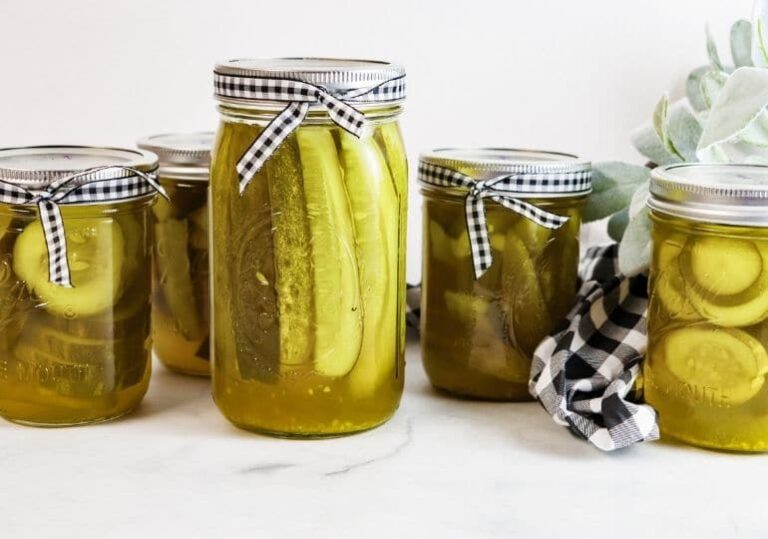
To ensure a perfect german mustard recipe every time, consider these tips: Use quality ingredients: The flavor of the mustard is directly influenced by the quality of the mustard seeds and vinegar. Adjust the sweetness: Taste and adjust the amount of sugar or honey to your preference. Some prefer a sweeter mustard, while others prefer a more savory one. Don’t skip the soaking period: This step is crucial for developing the flavor and softening the mustard seeds. Avoid overcooking: Simmering too long can result in a bitter taste. Sterilize your jars: When storing homemade mustard, sterilize the jars to prevent spoilage. Boil the jars and lids in water for 10 minutes, then let them air dry before filling. Be patient: The flavour of the mustard will improve over time. Let it sit in the refrigerator for at least a week before using for the best flavor.
Explore More Cooking Guides
Mastering a german mustard recipe allows for a world of flavorful possibilities in the kitchen. This condiment offers a unique blend of tanginess, spice, and subtle sweetness that enhances countless dishes. The ability to customize the ingredients and adjust the flavor profile makes it a rewarding culinary endeavor. Embrace the tradition, experiment with variations, and elevate your meals with homemade German mustard. Try it today and discover the difference! Explore more cooking guides and recipes at website.com for even more culinary inspiration.
Preparation & Cooking Specifications
| Prep Step | Estimated Time | Chef’s Best Practice |
|---|---|---|
| Mise en Place & Chopping | 10 – 15 Minutes | Keep ingredients uniform for even cooking |
| Active Cooking / Searing | 15 – 25 Minutes | Preheat skillet thoroughly before adding oil |
| Resting & Plating | 5 Minutes | Allow juices to redistribute before slicing |
Images References
Looking for more delicious meal ideas? Explore our tested Special Recipes collection for easy, family-friendly recipes.