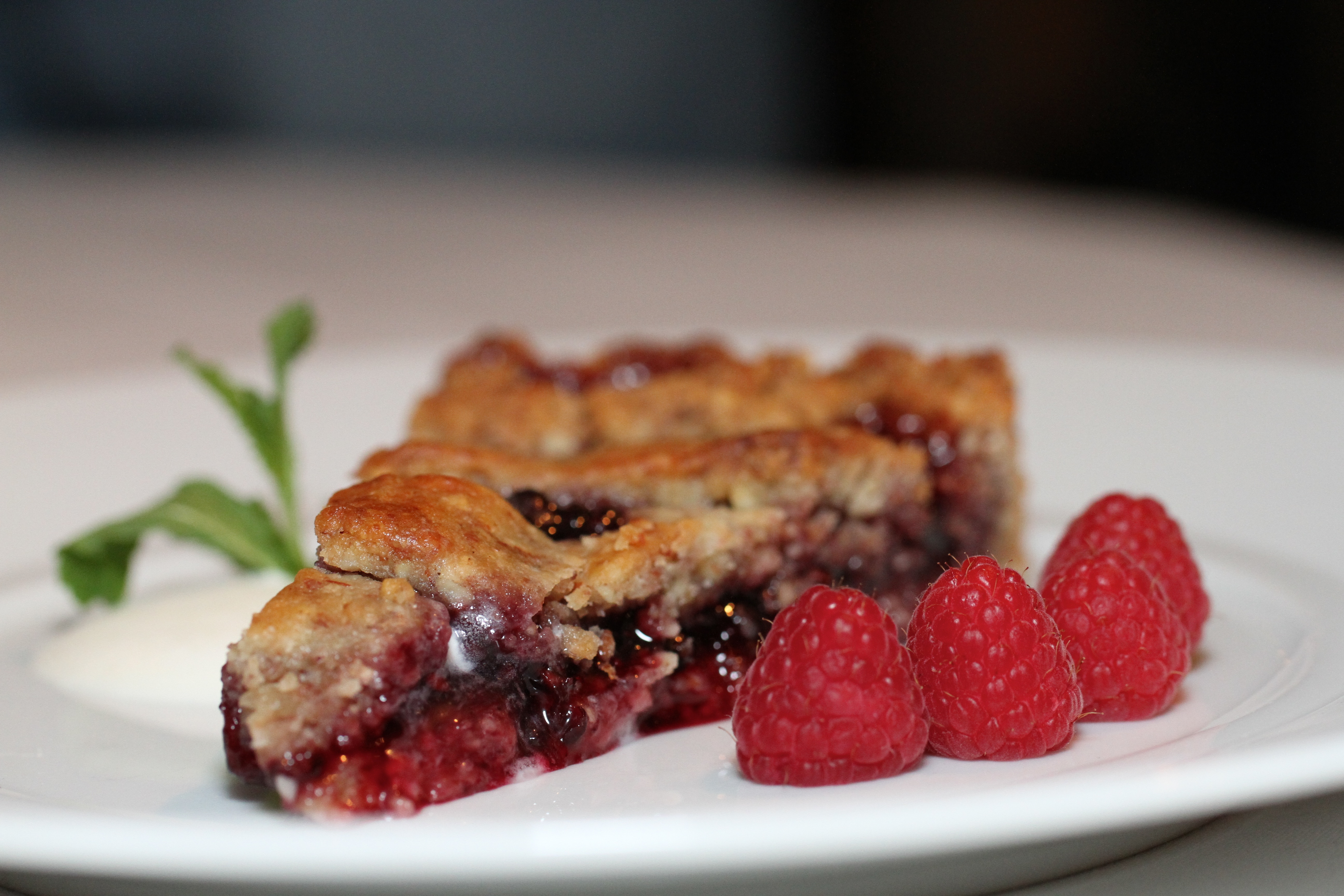
Introduction
The dry gin martini recipe represents the pinnacle of cocktail simplicity and sophistication. Born in the late 19th century, the martini has evolved into a symbol of elegance and timelessness. Its enduring popularity stems from its clean, crisp flavor profile and the endless possibilities for customization, making it a favorite of connoisseurs and casual drinkers alike.
💡 Recipe Key Takeaways:
- Core Flavor: Easy-to-follow, delicious culinary preparation for Dry Gin Martini Recipe.
- Target Scope: Quick weeknight family dinners, home cooking, and festive meal planning.
- Chef Tip: Prep all measured ingredients in advance (mise en place) to ensure even cooking and optimal texture.
Ingredients
The essence of a dry gin martini relies on just two primary ingredients:
Gin: The quality of the gin is paramount. London Dry gin is traditionally used, offering a distinctive juniper-forward flavor. Consider exploring gins with citrus or floral notes for a modern twist.
Dry Vermouth: This aromatized wine adds subtle complexity and dryness. French dry vermouth (Noilly Prat is a popular choice) is the standard. The drier the vermouth, the drier the martini.
Garnish: A lemon twist or olives are the classic choices. The garnish influences the overall flavor profile of the drink.. Related guide: Borderlands The Pre Sequal All Grinder Recipies.
Preparation Steps
Proper preparation is key to a perfectly balanced dry gin martini recipe. Chill both your gin and dry vermouth in the freezer for at least 30 minutes. This ensures the final drink is ice-cold without excessive dilution. Additionally, chill your martini glass to further enhance the drinking experience.
Cooking Instructions
While there’s no literal “cooking” involved in creating a martini, the mixing process is crucial and requires precision. The drink is built, not shaken, preserving the gin’s integrity.
1. Chill the Glass: As mentioned above, chill your martini glass.
2. Add Vermouth: Pour a small amount of dry vermouth (typically 1/4 to 1/2 ounce) into a mixing glass filled with ice.
3. Stir and Strain: Stir the vermouth gently for about 15-20 seconds to coat the ice and chill the glass. Strain the vermouth out, leaving the ice behind. This process imparts a subtle vermouth flavor without adding too much dilution.
4. Add Gin: Pour in the gin (2 to 3 ounces, depending on your preference for dryness).
5. Stir Gently: Stir the gin and ice mixture gently for 20-30 seconds. Over-stirring can lead to excessive dilution.
6. Strain and Garnish: Strain the martini into the chilled glass. Garnish with a lemon twist (expressed over the drink to release its oils) or olives.
Serving Suggestions
The dry gin martini recipe is best enjoyed immediately after preparation, while it’s still ice-cold. Serve in a classic martini glass. For food pairings, consider oysters, smoked salmon, or other savory appetizers that complement the drink’s dryness and crispness.
Tips and Common Mistakes
Use Quality Ingredients: The better the gin and vermouth, the better the martini. Don’t skimp on quality.
Don’t Over-Dilute: Over-stirring leads to a watery martini. Stir gently and only for the recommended time.
Adjust the Vermouth: The ratio of gin to vermouth is a matter of personal preference. Experiment to find your ideal balance.
Chill Everything: Chilling the ingredients and the glass is essential for a properly cold martini.
Avoid Shaking: Shaking bruises the gin and adds unwanted ice shards to the drink. Stirring is the preferred method.
Explore More Cooking Guides
Mastering the dry gin martini recipe is about understanding the interplay of simple ingredients to create an unforgettable drink. Its elegant flavor profile and adaptability make it a staple for any home bartender. Experiment with different gins and garnishes to discover your perfect martini. Now, it’s time to mix up a classic and elevate your cocktail game! Explore more cocktail recipes and culinary guides at website.com.
Preparation & Cooking Specifications
| Prep Step | Estimated Time | Chef’s Best Practice |
|---|---|---|
| Mise en Place & Chopping | 10 – 15 Minutes | Keep ingredients uniform for even cooking |
| Active Cooking / Searing | 15 – 25 Minutes | Preheat skillet thoroughly before adding oil |
| Resting & Plating | 5 Minutes | Allow juices to redistribute before slicing |
Images References
Looking for more delicious meal ideas? Explore our tested Special Recipes collection for easy, family-friendly recipes.