Introduction
Mint leaves chutney, a vibrant and refreshing condiment, holds a cherished place in cuisines across the globe, particularly in Indian and Middle Eastern culinary traditions. Its popularity stems from its ease of preparation, versatility, and the invigorating flavor it imparts to a wide range of dishes. Commonly prepared as a side for snacks, appetizers, or main courses, mint chutney offers a delightful contrast of cool mint, spicy chilies, and tangy citrus, making it a favored accompaniment for everything from grilled meats to vegetable curries.
💡 Recipe Key Takeaways:
- Core Flavor: Easy-to-follow, delicious culinary preparation for Mint Leaves Chutney Recipe.
- Target Scope: Quick weeknight family dinners, home cooking, and festive meal planning.
- Chef Tip: Prep all measured ingredients in advance (mise en place) to ensure even cooking and optimal texture.
Ingredients
The foundation of a great mint leaves chutney recipe lies in fresh, high-quality ingredients. Here’s a typical list:. Related guide: Borderlands The Pre Sequal All Grinder Recipies.
- Fresh Mint Leaves: The star of the show, use about 2 cups of tightly packed leaves.
- Fresh Coriander (Cilantro): 1 cup, adds depth and complexity to the flavor.
- Green Chilies: 1-3, depending on your spice preference. Serrano or Thai chilies work well.
- Ginger: 1-inch piece, peeled and roughly chopped, providing warmth and a subtle bite.
- Garlic: 2-3 cloves, adding pungency and savory notes.
- Lemon or Lime Juice: 2-3 tablespoons, essential for acidity and brightness. Lime juice is generally preferred in India, lemon juice offers a slightly different profile.
- Salt: To taste, enhances all the flavors.
- Sugar or Jaggery (Optional): A pinch can balance the spice and acidity, but it’s optional depending on individual preference.
- Water: As needed, to adjust consistency.
- Yogurt or Tamarind Paste (Optional): A spoonful of yogurt adds creaminess. A touch of tamarind paste introduces a sweet and sour element.
- Roasted Cumin Seeds (Optional): 1/2 teaspoon, toasted and ground, imparts a smoky, earthy note.
Preparation Steps
Proper preparation is key to a flavorful and vibrant mint leaves chutney.
- Wash the Herbs Thoroughly: Meticulously wash the mint and coriander leaves to remove any dirt or grit. A salad spinner can be helpful for drying.
- Prepare the Aromatics: Peel and roughly chop the ginger and garlic. De-seed the green chilies if you prefer a milder chutney.
- Toast Cumin Seeds (Optional): If using cumin seeds, dry roast them in a small pan over medium heat until fragrant and slightly darkened, then grind them using a mortar and pestle or spice grinder.
- Gather Your Equipment: A blender or food processor is essential for achieving a smooth chutney. A mortar and pestle can be used for a coarser, more rustic texture.
Tip: Remove thick stems from coriander to prevent a bitter taste.
Cooking Instructions
Mint leaves chutney doesn’t require traditional cooking in the sense of applying heat. It’s primarily a blending process. Here’s how to make it:
- Combine Ingredients: Place the washed mint leaves, coriander, green chilies, ginger, garlic, salt, and optional sugar or jaggery, cumin seeds, yogurt or tamarind paste in the blender or food processor.
- Blend: Add a small amount of water (start with 1-2 tablespoons) and blend until the mixture forms a coarse paste.
- Adjust Consistency: Gradually add more water, a tablespoon at a time, until the chutney reaches your desired consistency. Some prefer a thick paste, while others prefer a thinner sauce.
- Taste and Adjust Seasoning: Taste the chutney and adjust the seasoning as needed. Add more salt, lime/lemon juice, or green chilies to achieve the perfect balance of flavors.
- Pulse and Serve: Pulse a few more times to ensure all ingredients are well combined. The chutney is now ready to serve.
Important Note: Over-blending can cause the mint leaves to become bitter. Blend in short pulses, checking the consistency and flavor frequently.
Serving Suggestions
Mint chutney is incredibly versatile and can be served in numerous ways:
- As a Dip: Serve it as a dip for samosas, pakoras, spring rolls, or other appetizers.
- With Grilled Meats or Vegetables: It pairs beautifully with grilled chicken, fish, lamb, or vegetables.
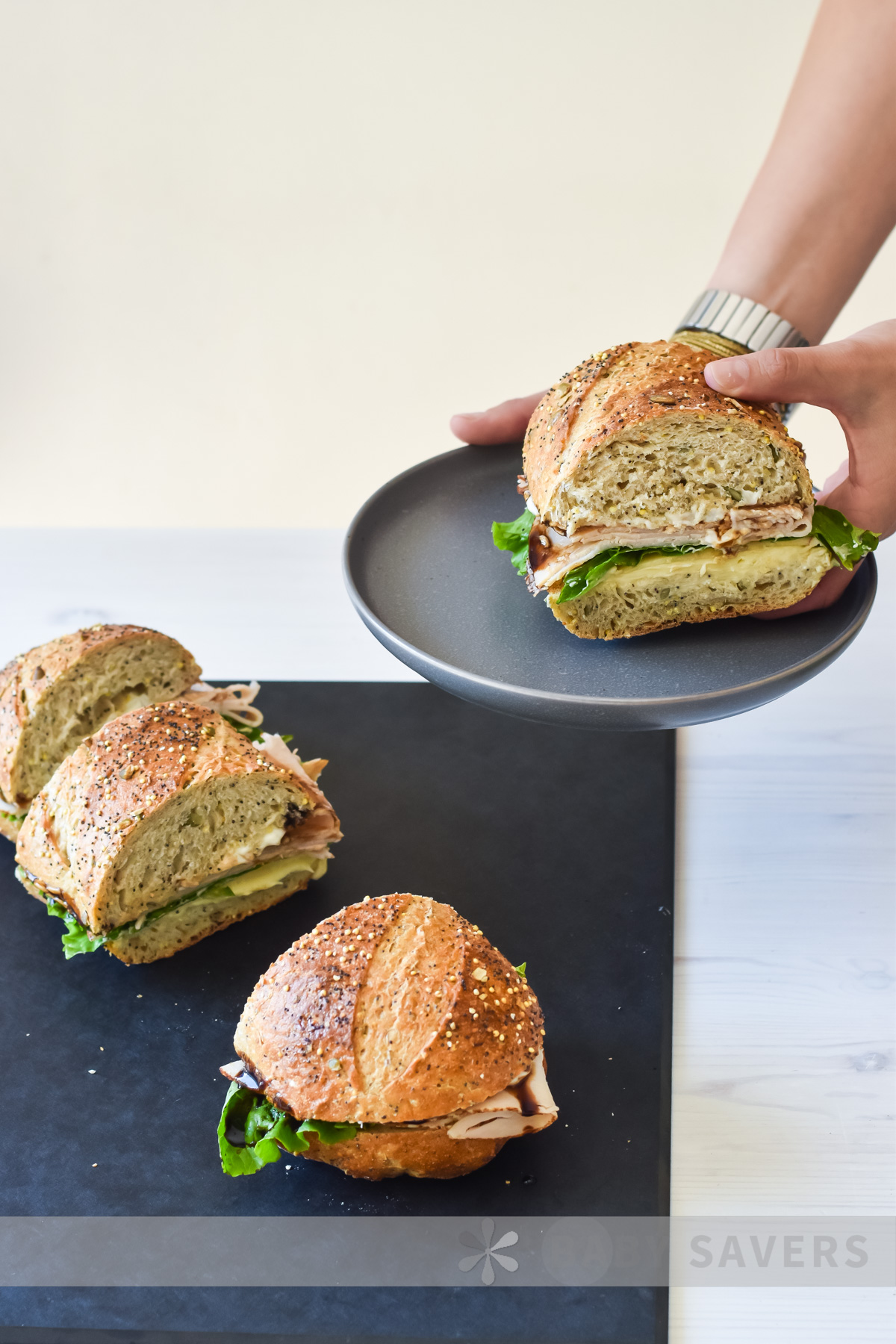
- As a Spread: Use it as a spread on sandwiches, wraps, or toast.
- With Indian Dishes: Serve it alongside biryani, dal, curries, or rice dishes.
- As a Salad Dressing: Thin it out with a little more water or lemon juice and use it as a vibrant salad dressing.
- Garnish: Garnish with a sprig of mint or a sprinkle of red chili flakes.
Traditional Accompaniments: Yogurt raita, tamarind chutney, and sliced onions are classic accompaniments to Indian meals.
Tips and Common Mistakes
To ensure success, keep these tips in mind:
- Use Fresh Ingredients: The fresher the ingredients, the better the flavor. Avoid wilted or yellowing mint or coriander leaves.
- Don’t Over-Blend: Over-blending can make the chutney bitter. Blend in short pulses.
- Adjust the Spice Level: Adjust the number of green chilies according to your spice preference. For a milder chutney, remove the seeds from the chilies.
- Balance the Flavors: Pay attention to the balance of sweet, sour, spicy, and salty flavors. Adjust the amount of sugar, lime/lemon juice, and salt as needed.
- Storage: Store leftover chutney in an airtight container in the refrigerator for up to 3-4 days. It may darken slightly over time, but the flavor will still be good.
- Common Mistake: Forgetting to taste and adjust seasoning. This is crucial for achieving the perfect flavor profile.
Explore More Cooking Guides
Mastering the mint leaves chutney recipe unlocks a world of culinary possibilities, adding a burst of freshness and flavor to countless dishes. Its vibrant taste, cultural significance, and adaptability make it a valuable addition to any cook’s repertoire. Whether you’re seeking a refreshing dip, a flavorful spread, or a vibrant accompaniment to your favorite meals, mint chutney delivers. Embark on your culinary journey by trying this recipe at home and explore more exciting cooking guides at website.com.
Preparation & Cooking Specifications
| Prep Step | Estimated Time | Chef’s Best Practice |
|---|---|---|
| Mise en Place & Chopping | 10 – 15 Minutes | Keep ingredients uniform for even cooking |
| Active Cooking / Searing | 15 – 25 Minutes | Preheat skillet thoroughly before adding oil |
| Resting & Plating | 5 Minutes | Allow juices to redistribute before slicing |
Images References
Looking for more delicious meal ideas? Explore our tested Special Recipes collection for easy, family-friendly recipes.