Introduction
Understanding the “calories in recipe” is fundamental for mindful cooking and healthy eating. Rather than being a specific dish, “calories in recipe” refers to the calculated caloric content of any culinary creation. Knowing the calorie count empowers individuals to make informed choices, manage their dietary intake, and enjoy diverse cuisines without compromising their nutritional goals. This guide will explore how to determine the caloric value of a recipe and how cooking methods influence its final calorie count.
💡 Recipe Key Takeaways:
- Core Flavor: Easy-to-follow, delicious culinary preparation for Calories In Recipe.
- Target Scope: Quick weeknight family dinners, home cooking, and festive meal planning.
- Chef Tip: Prep all measured ingredients in advance (mise en place) to ensure even cooking and optimal texture.
Ingredients
The accuracy of “calories in recipe” calculation relies on precisely measuring each ingredient. Core categories and potential considerations include:. Related guide: Borderlands The Pre Sequal All Grinder Recipies.
- Protein Sources: Meats (poultry, beef, pork), fish, legumes, tofu, tempeh. Choose leaner cuts of meat to reduce calorie density.
- Carbohydrates: Grains (rice, pasta, bread), potatoes, fruits, vegetables. Opt for whole grains and fiber-rich carbohydrates for sustained energy and lower calorie impact per volume.
- Fats: Oils (olive, vegetable, coconut), butter, nuts, seeds, avocado. Be mindful of portion sizes, as fats are calorie-dense.
- Dairy: Milk, cheese, yogurt. Select low-fat or non-fat options to minimize calorie contributions.
- Sauces and Seasonings: Condiments, dressings, herbs, spices. While often lower in calories, some sauces can significantly increase a recipe’s overall caloric value.
Preparation Steps
Proper preparation is key to both flavor and accurate calorie calculation. Ensure consistent measurements for each ingredient. Washing and trimming excess fat from meats or peeling vegetables are essential pre-cooking steps. When measuring liquids, use standardized measuring cups and spoons. Weighing ingredients is often more accurate than volume measurements, particularly for dry goods like flour or sugar. Record all ingredient quantities meticulously for later calorie calculation. Preparation also extends to how ingredients are handled, for example, using a non-stick spray instead of copious amounts of oil in a pan.
Cooking Instructions
The cooking method dramatically affects the final “calories in recipe.”
- Boiling/Steaming: These methods generally add no calories to the ingredients themselves. Cooking in water or steam retains moisture and nutrients.
- Baking: Similar to boiling and steaming, baking primarily cooks the ingredients without adding extra fat. However, be mindful of any added fats like oil or butter used for coating. Temperatures typically range from 350F (175C) to 400F (200C), with cooking times varying based on the ingredients and recipe (15 minutes for cookies, up to 2 hours for a roast).
- Grilling: Grilling can reduce fat content as fat drips away during cooking. Control the heat to avoid charring, typically medium-high heat.
- Frying: Frying significantly increases the calorie content due to oil absorption. Minimize oil absorption by using high heat and ensuring the food is dry before frying. Air frying is a healthier alternative that uses significantly less oil.
- Sauting: Similar to frying but uses less oil. Use a non-stick pan and minimal oil to keep calorie count down. Medium heat is recommended.
Serving Suggestions
Serving suggestions can greatly impact the overall “calories in recipe” consumed in a meal. For example:
- Portion Control: Be mindful of serving sizes. Use smaller plates to help control portion sizes.
- Pairings: Balance calorie-dense dishes with lighter sides like salads or steamed vegetables.
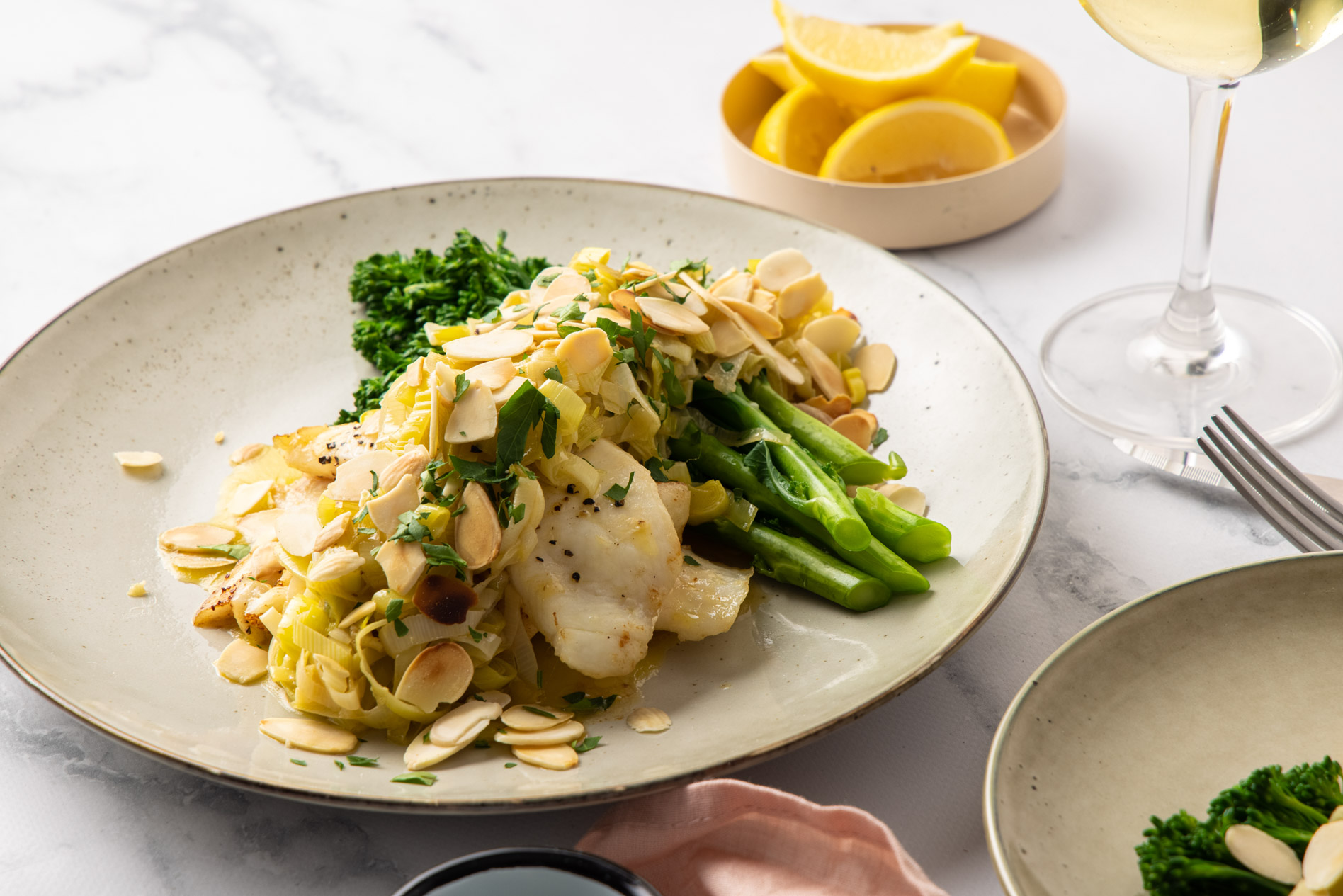
- Toppings and Garnishes: Choose low-calorie toppings like fresh herbs, lemon juice, or a sprinkle of spices instead of high-fat sauces or cheeses.
- Presentation: Arrange the dish attractively to enhance enjoyment and reduce the temptation to overeat.
Tips and Common Mistakes
Enhance flavor and accuracy in “calories in recipe” calculation with these tips and avoid common errors:
- Tip: Use online calorie calculators and food databases (e.g., USDA FoodData Central) to determine the caloric content of individual ingredients.
- Tip: Track all ingredients and their quantities accurately, including seemingly minor additions like oil for cooking or dressings for salads.
- Mistake: Underestimating portion sizes. Use measuring cups and spoons for accurate portioning.
- Mistake: Forgetting to account for cooking oils. Even a small amount of oil can add significant calories.
- Mistake: Overlooking hidden calories in sauces, dressings, and condiments. Choose low-calorie alternatives or make your own.
Explore More Cooking Guides
Understanding the “calories in recipe” is an empowering tool for anyone seeking to cook healthier and more mindfully. By meticulously tracking ingredients and choosing appropriate cooking methods, control over dietary intake is enhanced and enjoying diverse foods can still be a reality. Embracing this understanding not only adds a new layer to the culinary experience but also fosters a greater appreciation for the nutritional value of what is consumed. Try calculating the calories in your favorite recipes today and explore more cooking guides at website.com.
Preparation & Cooking Specifications
| Prep Step | Estimated Time | Chef’s Best Practice |
|---|---|---|
| Mise en Place & Chopping | 10 – 15 Minutes | Keep ingredients uniform for even cooking |
| Active Cooking / Searing | 15 – 25 Minutes | Preheat skillet thoroughly before adding oil |
| Resting & Plating | 5 Minutes | Allow juices to redistribute before slicing |
Images References
Looking for more delicious meal ideas? Explore our tested Special Recipes collection for easy, family-friendly recipes.