Introduction
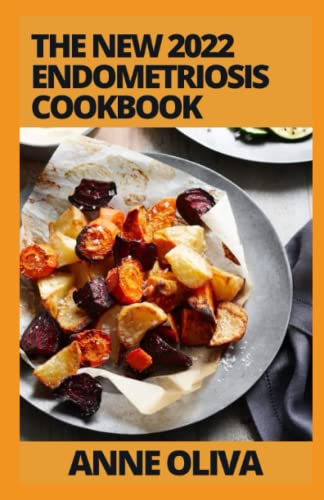
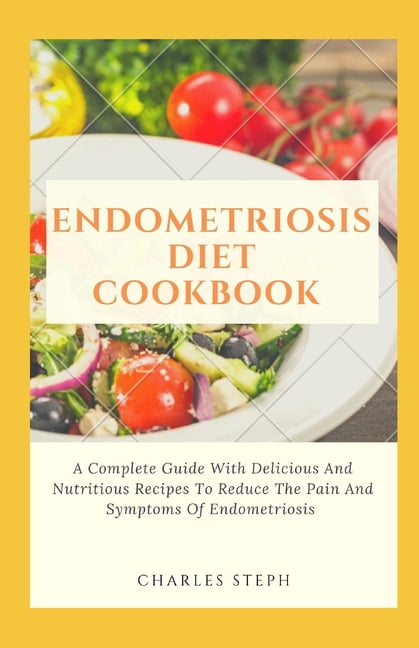
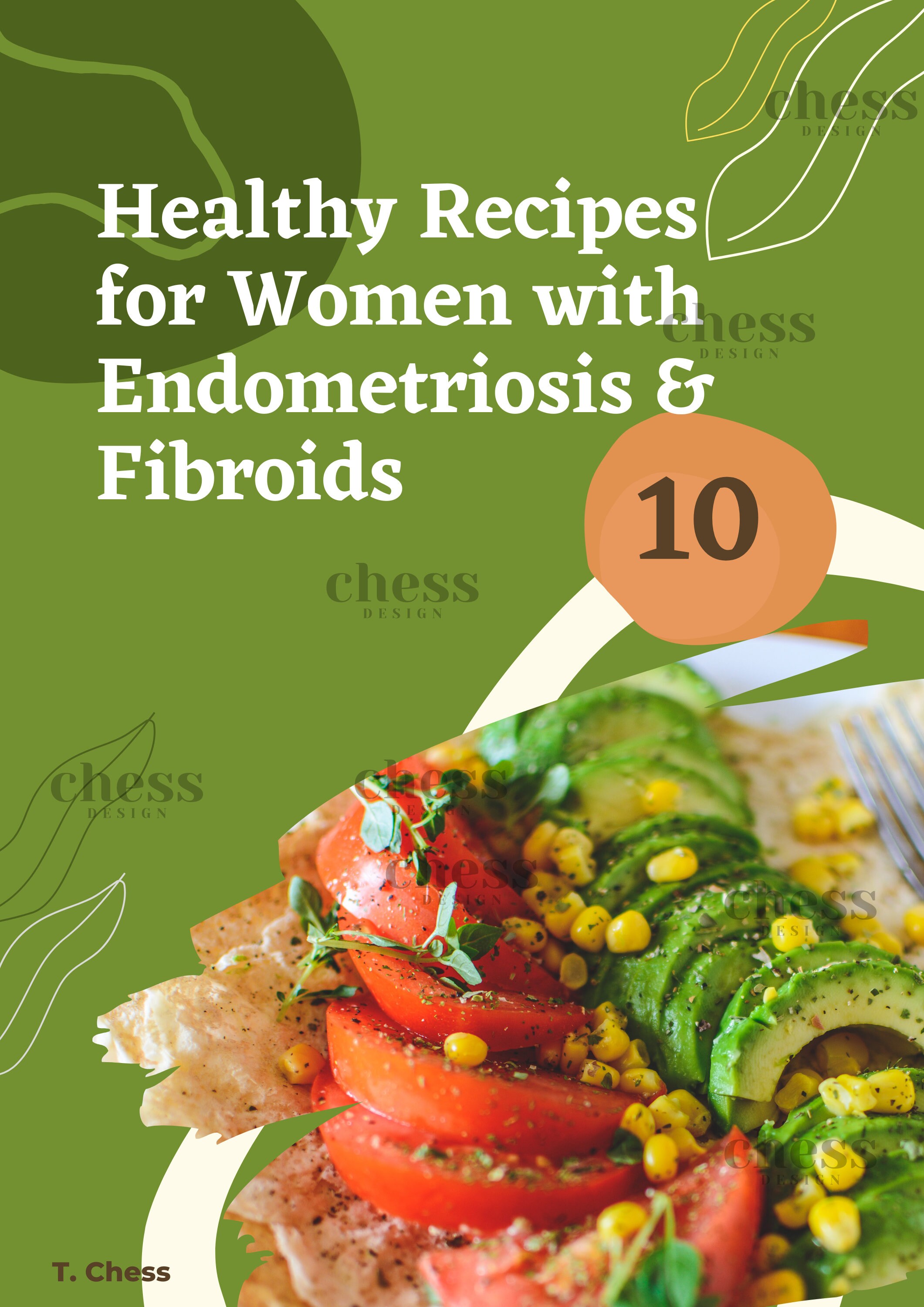
Recipes for endometriosis focus on minimizing inflammation and supporting overall well-being through diet. These recipes prioritize whole, unprocessed foods and avoid ingredients known to exacerbate symptoms. The emphasis is on dishes rich in nutrients that may help manage pain and improve quality of life. Many individuals with endometriosis find that dietary changes can significantly impact their symptom severity. This approach to cooking has gained popularity as more people seek natural and holistic ways to manage their condition alongside conventional medical treatments.
💡 Recipe Key Takeaways:
- Core Flavor: Easy-to-follow, delicious culinary preparation for Recipes For Endometriosis.
- Target Scope: Quick weeknight family dinners, home cooking, and festive meal planning.
- Chef Tip: Prep all measured ingredients in advance (mise en place) to ensure even cooking and optimal texture.
Ingredients
Key ingredients in endometriosis-friendly recipes often include:
- Leafy Greens (Spinach, Kale, Collard Greens): Rich in vitamins, minerals, and antioxidants.
- Fatty Fish (Salmon, Mackerel, Sardines): High in omega-3 fatty acids, which have anti-inflammatory properties.
- Berries (Blueberries, Strawberries, Raspberries): Packed with antioxidants.
- Nuts and Seeds (Almonds, Walnuts, Flaxseeds, Chia Seeds): Good sources of healthy fats and fiber.
- Cruciferous Vegetables (Broccoli, Cauliflower, Brussels Sprouts): Contain compounds that support detoxification. (Cooked well to aid digestion).
- Legumes (Lentils, Chickpeas, Beans): High in fiber and protein. (Soaked well before cooking to aid digestion).
- Anti-inflammatory Spices (Turmeric, Ginger, Cinnamon): Powerful anti-inflammatory agents.
- Healthy Fats (Olive Oil, Avocado Oil, Coconut Oil): Support hormone balance and reduce inflammation.
Possible Substitutions:
- Animal protein can be substituted with plant based protein.
- Dairy can be substituted with plant-based alternatives such as almond milk or coconut yogurt.
- Refined sugar can be substituted with natural sweeteners like maple syrup or honey (used sparingly).
Preparation Steps
Preparing ingredients properly is crucial for both flavor and digestibility. Leafy greens should be thoroughly washed to remove any dirt or debris. Cruciferous vegetables benefit from being chopped into smaller pieces to ensure even cooking. Nuts and seeds can be soaked to improve nutrient absorption. Legumes should be soaked overnight to reduce phytic acid, which can hinder mineral absorption and ease digestion. When using anti-inflammatory spices like turmeric, consider combining them with black pepper to enhance their bioavailability. Meats should be trimmed of excessive fat. Marinating meat or vegetables in olive oil, lemon juice, and herbs not only adds flavor but also helps tenderize and preserve them. Related guide: Cavatelli Broccoli Recipe.
Cooking Instructions
Specific cooking instructions vary depending on the dish. Here are some examples:
1. Salmon with Roasted Vegetables
- Prepare the Salmon: Preheat oven to 400F (200C). Season salmon fillets with olive oil, lemon juice, dill, salt, and pepper.
- Prepare the Vegetables: Chop broccoli, cauliflower, and bell peppers into bite-sized pieces. Toss with olive oil, garlic powder, and salt.
- Roast: Arrange vegetables on a baking sheet and roast for 20 minutes. Add salmon fillets to the baking sheet and roast for another 12-15 minutes, or until salmon is cooked through and flakes easily with a fork.
- Technique: Roasting brings out the natural sweetness of the vegetables and ensures the salmon remains moist and flavorful.
- Temperature/Timing: 400F (200C) for 20 minutes (vegetables) + 12-15 minutes (salmon).
2. Lentil Soup with Turmeric and Ginger
- Saut Aromatics: In a large pot, heat olive oil over medium heat. Add chopped onion, garlic, and ginger and saut until fragrant (about 5 minutes).
- Add Lentils and Spices: Add red lentils, turmeric powder, cumin, coriander, and vegetable broth. Bring to a boil, then reduce heat and simmer for 20-25 minutes, or until lentils are tender.
- Blend (Optional): For a creamier soup, use an immersion blender to partially blend the soup.
- Season and Serve: Season with salt, pepper, and a squeeze of lemon juice.
- Technique: Simmering the lentils allows the spices to infuse the soup with flavor.
- Temperature/Timing: Medium heat for sauting, then low heat for simmering 20-25 minutes.
3. Berry Smoothie with Flaxseeds
- Combine Ingredients: In a blender, combine frozen berries (blueberries, strawberries, raspberries), spinach, flaxseeds, almond milk, and a touch of maple syrup (optional).
- Blend: Blend until smooth and creamy. Add more almond milk if needed to reach desired consistency.
- Serve: Pour into a glass and enjoy immediately.
- Technique: Blending frozen fruits provides a thick, creamy texture.
- Temperature/Timing: Blending time: 1-2 minutes until smooth.
Serving Suggestions
Salmon with Roasted Vegetables can be served with a side of quinoa or brown rice for a complete meal. Garnish with fresh dill or parsley. Lentil soup pairs well with whole-grain bread or a side salad. A dollop of coconut yogurt can add creaminess. The berry smoothie makes a quick and nutritious breakfast or snack. It can be served with a sprinkle of chia seeds for added texture and nutrients. Plating ideas involve using colorful bowls and plates to enhance the visual appeal of the meal.
Tips and Common Mistakes
Useful Tips:
- Use fresh, high-quality ingredients for the best flavor.
- Don’t overcook the salmon, as it can become dry.
- Taste and adjust seasonings throughout the cooking process.
- Soaking legumes helps reduce bloating and improves digestibility.
- Add a squeeze of lemon juice to dishes to brighten the flavors.
Common Mistakes to Avoid:
- Overcooking vegetables can deplete their nutrients.
- Using too much salt can mask the natural flavors of the ingredients.
- Not allowing lentils to cook long enough can result in a grainy texture.
- Skipping the soaking of legumes may cause digestive discomfort.
- Using low-quality oils can negatively impact the taste and health benefits.
Explore More Cooking Guides
Learning recipes for endometriosis empowers individuals to take control of their health through mindful eating. The focus on anti-inflammatory ingredients and whole foods promotes well-being and may help manage symptoms. With its delicious flavor, significant cultural value, and undeniable practicality, this approach to cooking can be easily adapted to different tastes and occasions. It fosters a positive relationship with food and provides a sense of agency over one’s health. Start your culinary journey today by trying recipes for endometriosis at home and explore more cooking guides at website.com.
Preparation & Cooking Specifications
| Prep Step | Estimated Time | Chef’s Best Practice |
|---|---|---|
| Mise en Place & Chopping | 10 – 15 Minutes | Keep ingredients uniform for even cooking |
| Active Cooking / Searing | 15 – 25 Minutes | Preheat skillet thoroughly before adding oil |
| Resting & Plating | 5 Minutes | Allow juices to redistribute before slicing |
Images References
Looking for more delicious meal ideas? Explore our tested Special Recipes collection for easy, family-friendly recipes.
Images References