Introduction
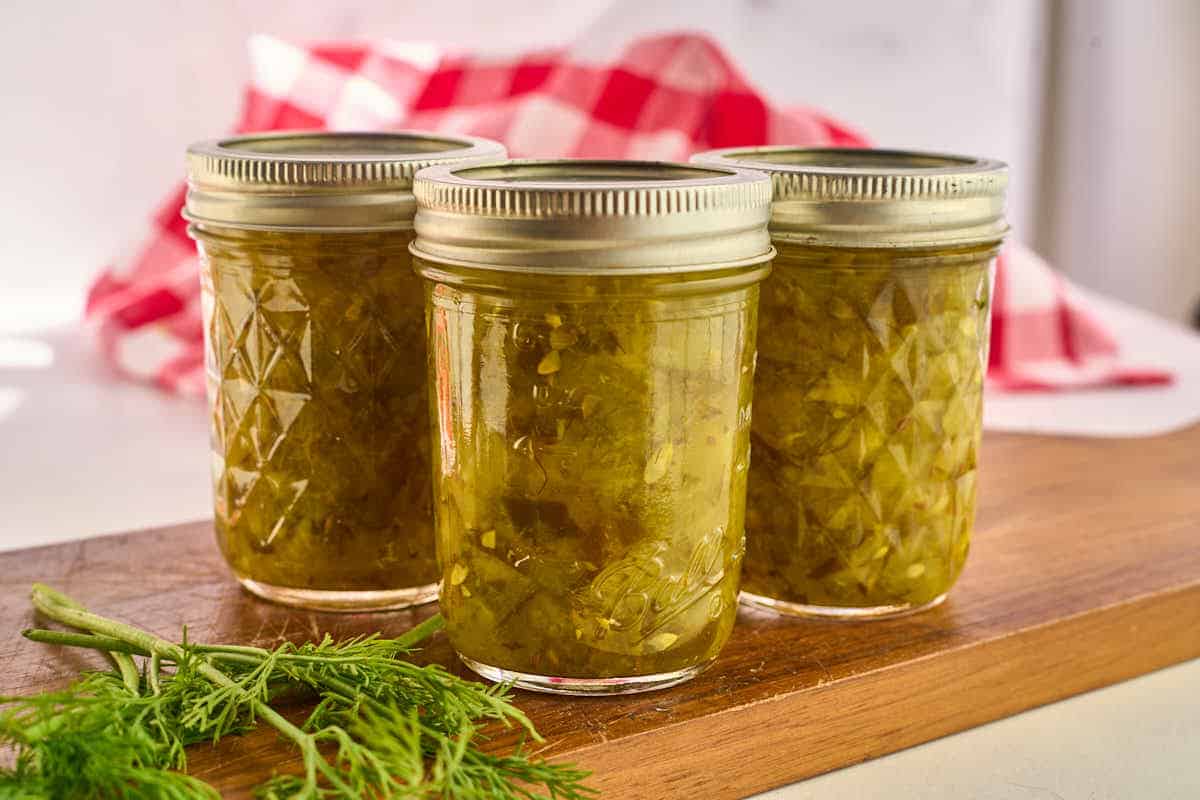
The allure of homemade pickles, crisp and tangy, is undeniable. Mrs. Wages Dill Pickle Mix offers a straightforward path to achieving this classic flavor in the home kitchen. This convenient mix has garnered popularity for its consistent results and simplified process, allowing both novice and experienced cooks to create batches of delicious dill pickles with ease. Its enduring appeal stems from its ability to replicate the traditional taste of dill pickles without the complexity of starting entirely from scratch.
💡 Recipe Key Takeaways:
- Core Flavor: Easy-to-follow, delicious culinary preparation for Mrs Wages Dill Pickle Recipe.
- Target Scope: Quick weeknight family dinners, home cooking, and festive meal planning.
- Chef Tip: Prep all measured ingredients in advance (mise en place) to ensure even cooking and optimal texture.
Ingredients
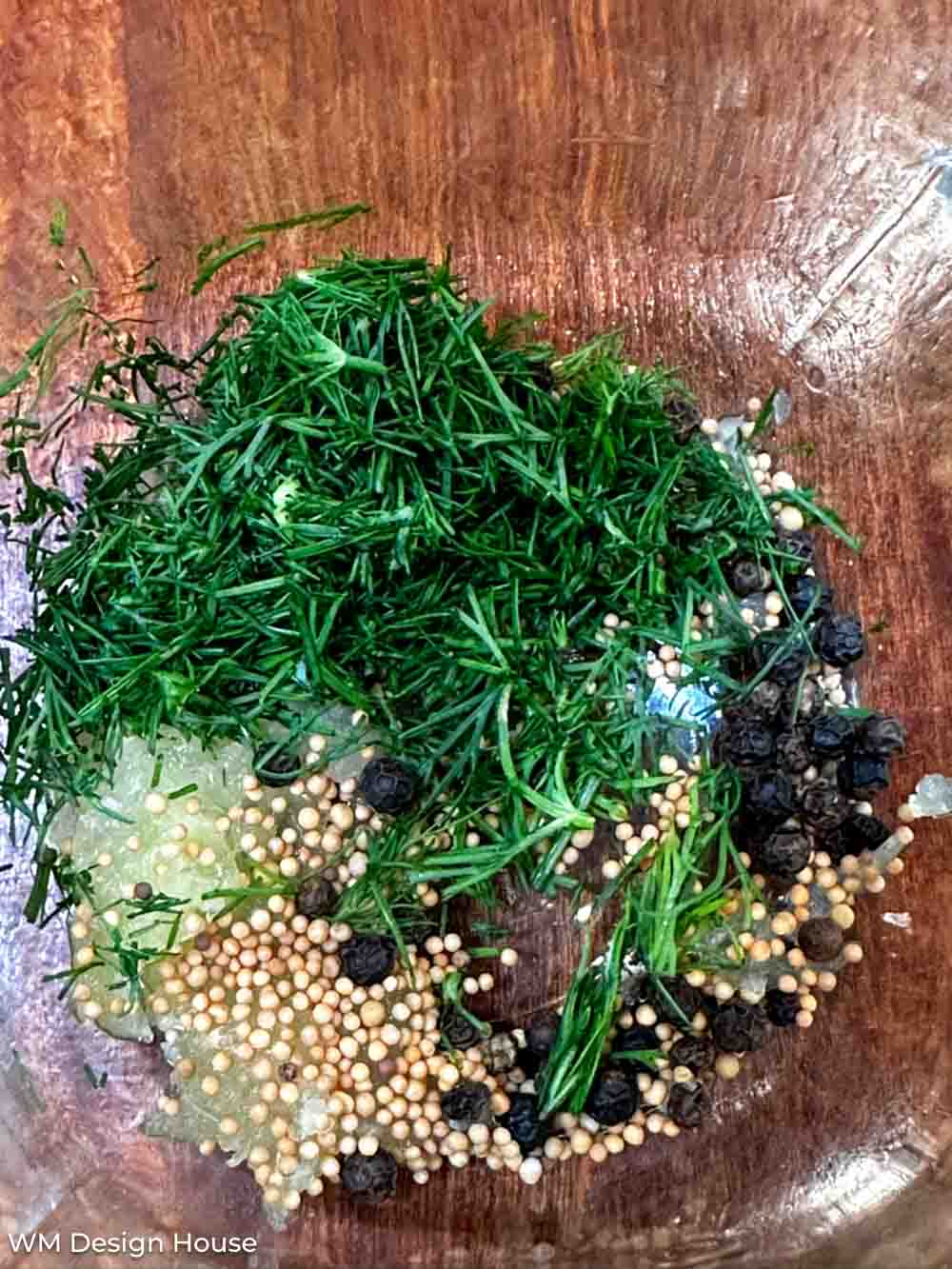
The core ingredients for Mrs. Wages Dill Pickles include: 4 pounds of pickling cucumbers (about 4-5 inches long), 7 cups of vinegar (5% acidity, white or cider), 7 cups of water, 1 package of Mrs. Wages Dill Pickle Mix, and optionally, fresh dill sprigs and garlic cloves for enhanced flavor. The pickling cucumbers are essential for their firm texture and minimal seeds. White vinegar is preferred for its neutral flavor, but cider vinegar can add a subtle sweetness. Variations may include adding a pinch of red pepper flakes for heat, or mustard seeds for extra tang. Related guide: Elderberry Preserves Recipe.
Preparation Steps
Begin by thoroughly washing the pickling cucumbers under cold running water, scrubbing gently to remove any dirt or debris. Trim about 1/8 inch from both ends of each cucumber; this step helps prevent spoilage by removing enzymes that can cause softening. If desired, slice the cucumbers into spears, chips, or leave them whole. For enhanced flavor penetration, consider soaking the prepared cucumbers in ice water for a few hours before pickling. This helps to maintain their crispness. Prepare the jars and lids according to the manufacturer’s instructions for safe canning practices, ensuring they are clean and sterile.
Cooking Instructions
In a large stainless steel or enamel pot, combine the vinegar, water, and Mrs. Wages Dill Pickle Mix. Bring the mixture to a rolling boil over medium-high heat, stirring constantly to ensure the mix is fully dissolved. While the brine is heating, pack the prepared cucumbers tightly into the sterilized jars, leaving 1/2 inch of headspace at the top. Add fresh dill sprigs and garlic cloves (if using) to each jar for added flavor. Once the brine is boiling, carefully ladle it over the cucumbers in the jars, again leaving 1/2 inch of headspace. Remove any air bubbles by gently tapping the jars on a protected surface or using a non-metallic utensil. Wipe the jar rims clean with a damp cloth, place the sterilized lids on top, and screw on the bands fingertip-tight. Process the jars in a boiling water bath canner for the recommended time, based on your altitude and jar size, as specified on the Mrs. Wages packaging. Typically, pint jars require about 10 minutes, and quart jars about 15 minutes at altitudes below 1,000 feet. Adjust processing time for higher altitudes according to canning guidelines.
Serving Suggestions
Mrs. Wages Dill Pickles are incredibly versatile. They make a classic accompaniment to sandwiches, burgers, and grilled meats. Finely chopped, they can be added to potato salad, tuna salad, or egg salad for a tangy kick. A spear or two alongside a charcuterie board adds a refreshing contrast to richer elements. Consider serving them as part of a relish tray with other pickled vegetables. Creative uses extend to pickle juice, which can be used as a marinade for chicken or pork, or even as a surprising addition to cocktails.
Tips and Common Mistakes
For the best results, use fresh, firm pickling cucumbers. Avoid using waxed cucumbers, as the brine may not penetrate properly. Over-processing can result in soft pickles, so adhere to the recommended processing time and altitude adjustments. Leaving too much headspace can prevent a proper seal, leading to spoilage. Always use a new lid for each jar to ensure a reliable seal. Ensure that the vinegar used has at least 5% acidity to prevent bacterial growth. A common mistake is not removing air bubbles from the jars, which can affect the quality and shelf-life of the pickles. If pickles float in the jar after processing, this is usually a cosmetic issue and does not necessarily mean they are unsafe, but ensuring proper headspace can reduce this occurrence.
Explore More Cooking Guides
Mastering the Mrs. Wages Dill Pickle recipe unlocks a world of homemade goodness, bringing the satisfying crunch and tangy flavor of classic dill pickles to your table. Its simple preparation and consistent results make it a valuable addition to any home cook’s repertoire. This recipe not only offers a delightful taste experience but also encourages creativity in the kitchen, allowing for personalized variations to suit individual preferences. Ready to savor the fruits (or, rather, vegetables) of your labor? Try making a batch of Mrs. Wages Dill Pickles today and discover the joy of homemade preserves. Explore more exciting cooking guides and recipes at website.com and expand your culinary horizons!
Preparation & Cooking Specifications
| Prep Step | Estimated Time | Chef’s Best Practice |
|---|---|---|
| Mise en Place & Chopping | 10 – 15 Minutes | Keep ingredients uniform for even cooking |
| Active Cooking / Searing | 15 – 25 Minutes | Preheat skillet thoroughly before adding oil |
| Resting & Plating | 5 Minutes | Allow juices to redistribute before slicing |
Images References
Looking for more delicious meal ideas? Explore our tested Sauces & Condiments collection for easy, family-friendly recipes.
Images References