Introduction
Pickled quail eggs are a delightful culinary treat, offering a unique blend of savory and tangy flavors. While not as ubiquitous as pickled chicken eggs, pickled quail egg recipes have gained popularity globally, especially in Asian cuisines, as a gourmet snack, appetizer, or topping. Their diminutive size makes them perfect for bite-sized enjoyment, and the pickling process enhances their flavor and extends their shelf life. This article explores the art of preparing these delectable morsels, providing detailed guidance on cooking, pickling, and serving.
💡 Recipe Key Takeaways:
- Core Flavor: Easy-to-follow, delicious culinary preparation for Pickled Quail Egg Recipes.
- Target Scope: Quick weeknight family dinners, home cooking, and festive meal planning.
- Chef Tip: Prep all measured ingredients in advance (mise en place) to ensure even cooking and optimal texture.
Ingredients
The primary ingredient is, of course, quail eggs. Fresh quail eggs are ideal for the best results. For the pickling brine, the core components include:. Related guide: Almond Milk Creamer Recipe.
- White vinegar (apple cider vinegar can be substituted for a slightly sweeter flavor)
- Water
- Salt (kosher salt is recommended)
- Sugar (white or brown sugar)
Optional flavor enhancers include:
- Garlic cloves (whole or crushed)
- Onion (sliced)
- Peppercorns (black, white, or mixed)
- Red pepper flakes (for heat)
- Bay leaves
- Fresh herbs (dill, thyme, or rosemary)
- Soy sauce or tamari (for added umami)
Preparation Steps
Before pickling, the quail eggs must be hard-boiled. Gently wash the quail eggs under cool running water to remove any debris. Ensure the eggs are intact, discarding any cracked ones. A pin can be used to create a tiny hole in the wider end of each egg before boiling; this helps prevent cracking. Prepare an ice bath in a bowl large enough to accommodate all the eggs. This is crucial for stopping the cooking process and making them easier to peel.
Cooking Instructions
Hard-Boiling the Quail Eggs:
- Place the quail eggs in a saucepan and cover them with cold water by about an inch.
- Bring the water to a gentle boil over medium-high heat.
- Once boiling, reduce the heat to low and simmer gently for 5-6 minutes. Overcooking can result in rubbery whites and green yolks.
- Immediately transfer the cooked quail eggs to the prepared ice bath. Let them cool completely.
- Gently crack the shells all over and peel them under cool running water. The ice bath helps the shell separate from the egg white.
Pickling the Quail Eggs:
- In a saucepan, combine the vinegar, water, salt, and sugar. The ratio of vinegar to water can be adjusted to taste, but a common starting point is equal parts.
- Add any desired flavor enhancers (garlic, onion, peppercorns, etc.) to the brine.
- Bring the brine to a boil over medium heat, stirring until the salt and sugar are dissolved.
- Remove the brine from the heat and allow it to cool slightly.
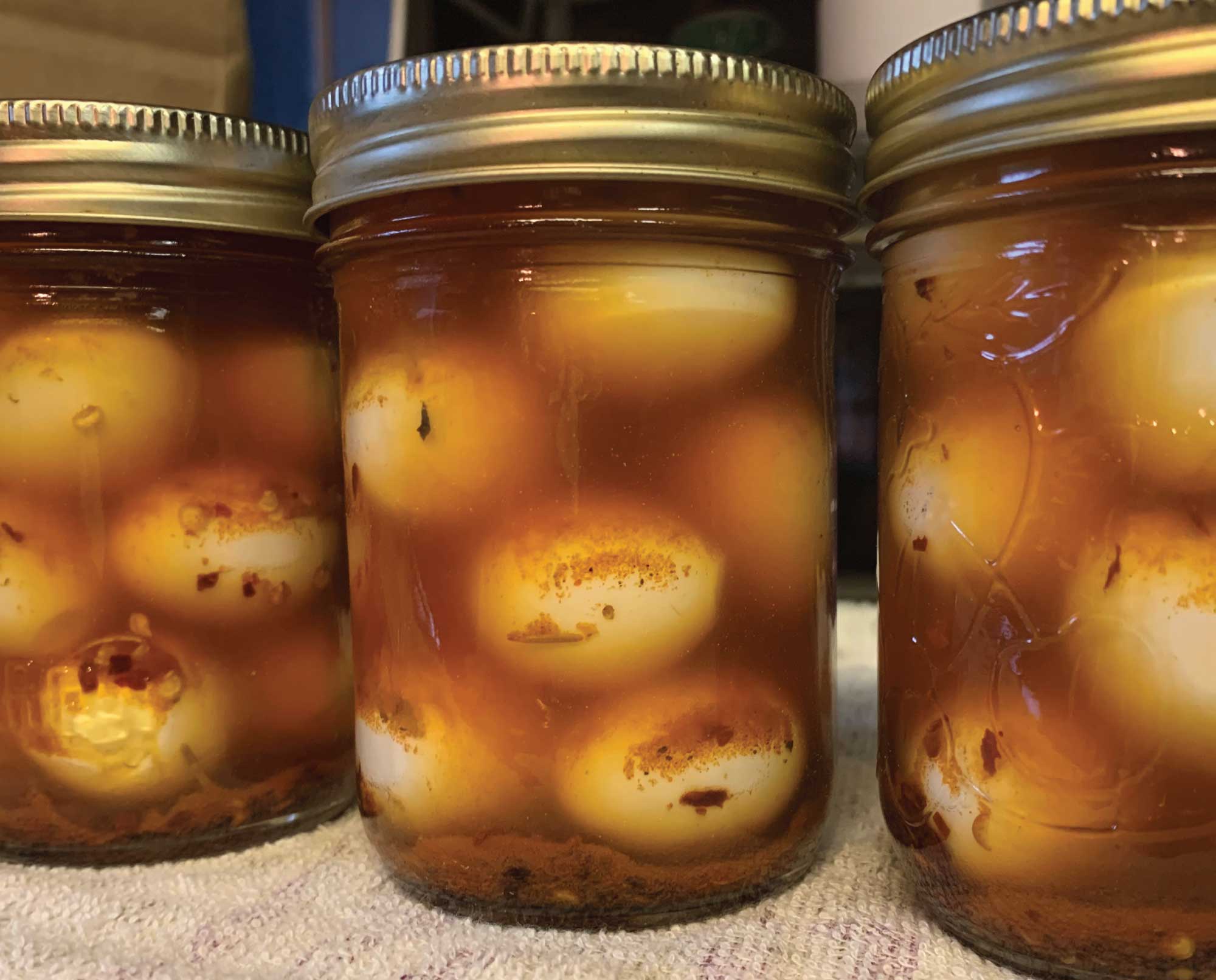
- Pack the peeled quail eggs into sterilized jars, leaving some headspace at the top.
- Pour the slightly cooled brine over the eggs, ensuring they are completely submerged. Add additional flavor enhancers to the jar as desired.
- Seal the jars tightly and refrigerate for at least 24 hours, ideally 3-7 days, to allow the flavors to meld. Longer pickling times result in a stronger flavor.
Serving Suggestions
Pickled quail eggs can be enjoyed in numerous ways. They make an excellent addition to charcuterie boards, adding a sophisticated touch. They can be sliced and added to salads for a burst of flavor and protein. In Asian cuisine, they are often served as a side dish or snack with ramen, bento boxes, or alongside pickled vegetables. Pickled quail eggs can also be used as a garnish for cocktails, adding a unique and savory element. Consider pairing with crusty bread, crackers, or cheeses for a satisfying appetizer.
Tips and Common Mistakes
- Overcooking: Overcooking the quail eggs results in rubbery whites and unappealing green yolks. Adhere to the recommended cooking time of 5-6 minutes.
- Improper Peeling: Peeling quail eggs can be tricky due to their small size. The ice bath is crucial for easing the peeling process. Gently crack the shell all over before peeling under running water.
- Insufficient Pickling Time: Allow the pickled quail eggs sufficient time in the refrigerator (at least 24 hours) for the flavors to fully develop.
- Using Non-Sterilized Jars: Always use sterilized jars to prevent spoilage.
- Adjusting Brine to Taste: Taste the brine before pouring it over the eggs and adjust the salt, sugar, or vinegar levels to suit personal preferences.
Explore More Cooking Guides
Learning to prepare pickled quail egg recipes opens a world of culinary possibilities, from elevating simple snacks to crafting sophisticated appetizers. Its unique flavor profile and cultural versatility make it a worthwhile addition to any home cook’s repertoire. By adjusting the pickling brine and serving suggestions, it can be adapted to individual tastes and preferences. Embark on this culinary adventure by trying these pickled quail egg recipes at home. Explore a wealth of cooking guides and inspiration at website.com to further enhance your culinary skills!
Preparation & Cooking Specifications
| Prep Step | Estimated Time | Chef’s Best Practice |
|---|---|---|
| Mise en Place & Chopping | 10 – 15 Minutes | Keep ingredients uniform for even cooking |
| Active Cooking / Searing | 15 – 25 Minutes | Preheat skillet thoroughly before adding oil |
| Resting & Plating | 5 Minutes | Allow juices to redistribute before slicing |
Images References
Looking for more delicious meal ideas? Explore our tested Special Recipes collection for easy, family-friendly recipes.
Images References