Introduction
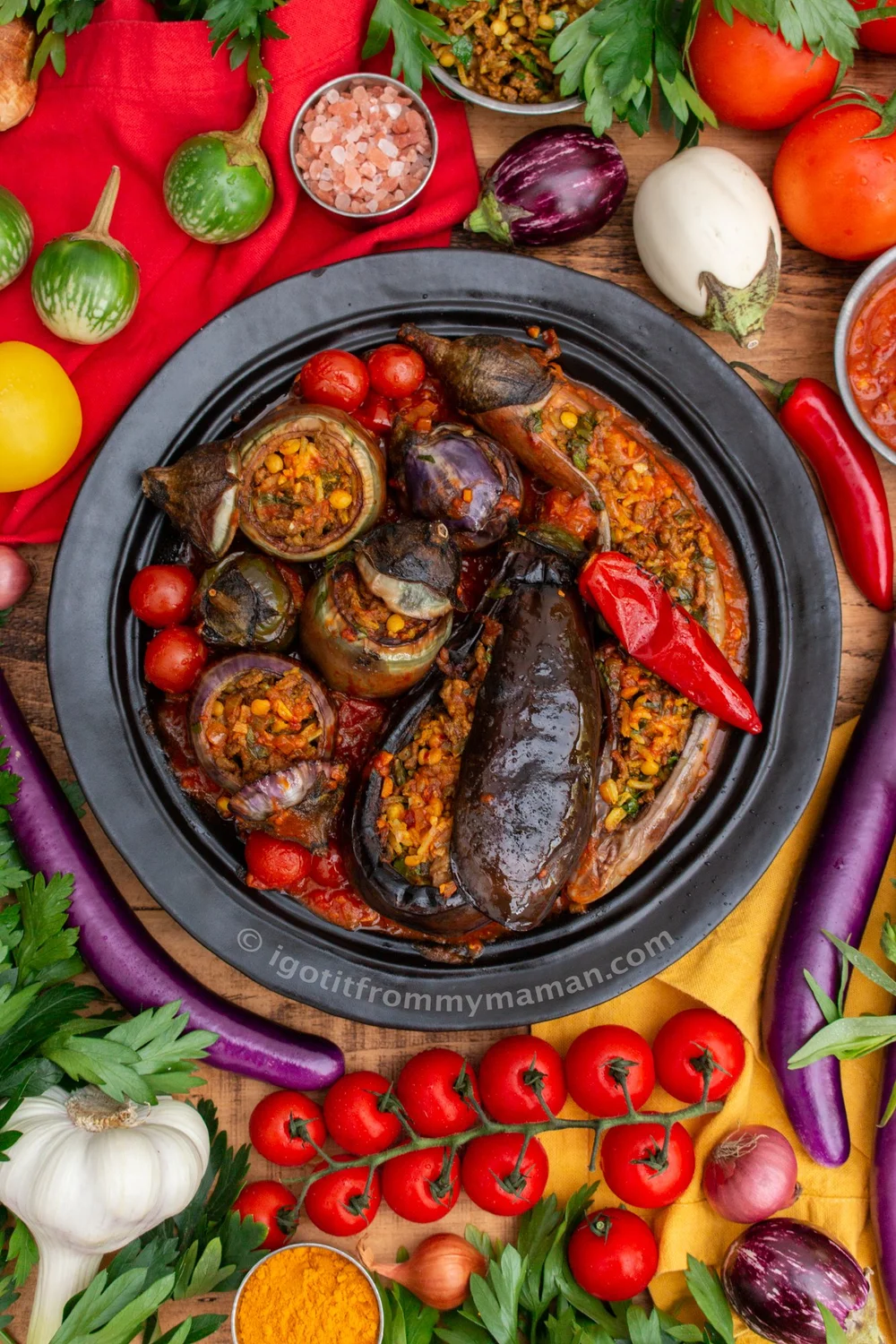
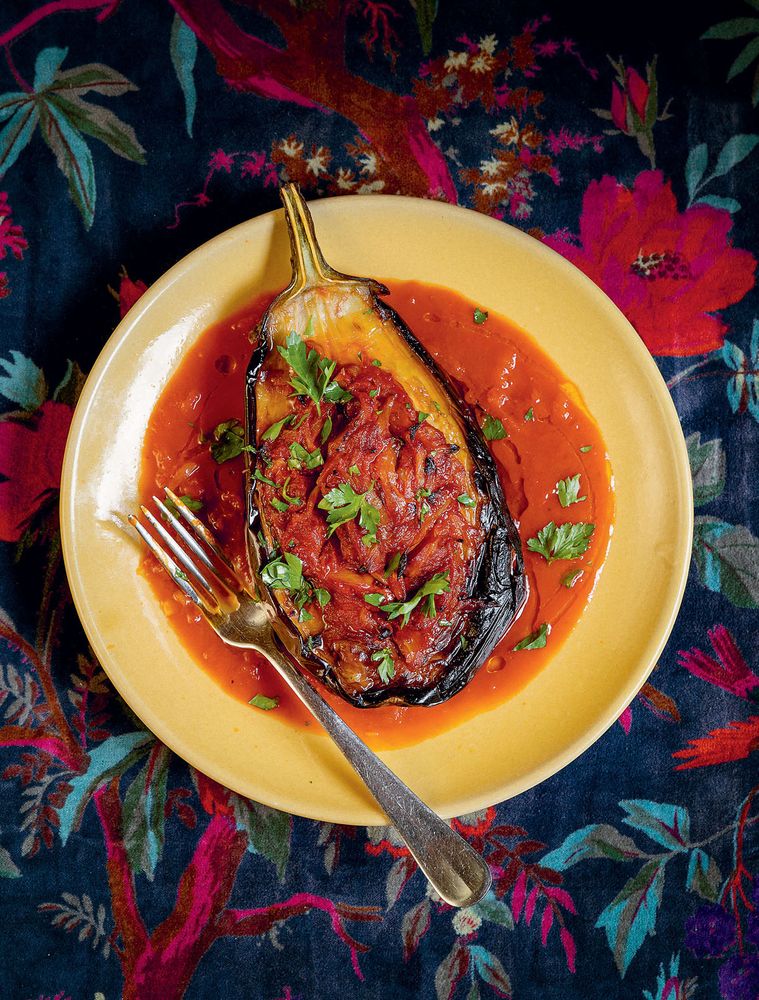
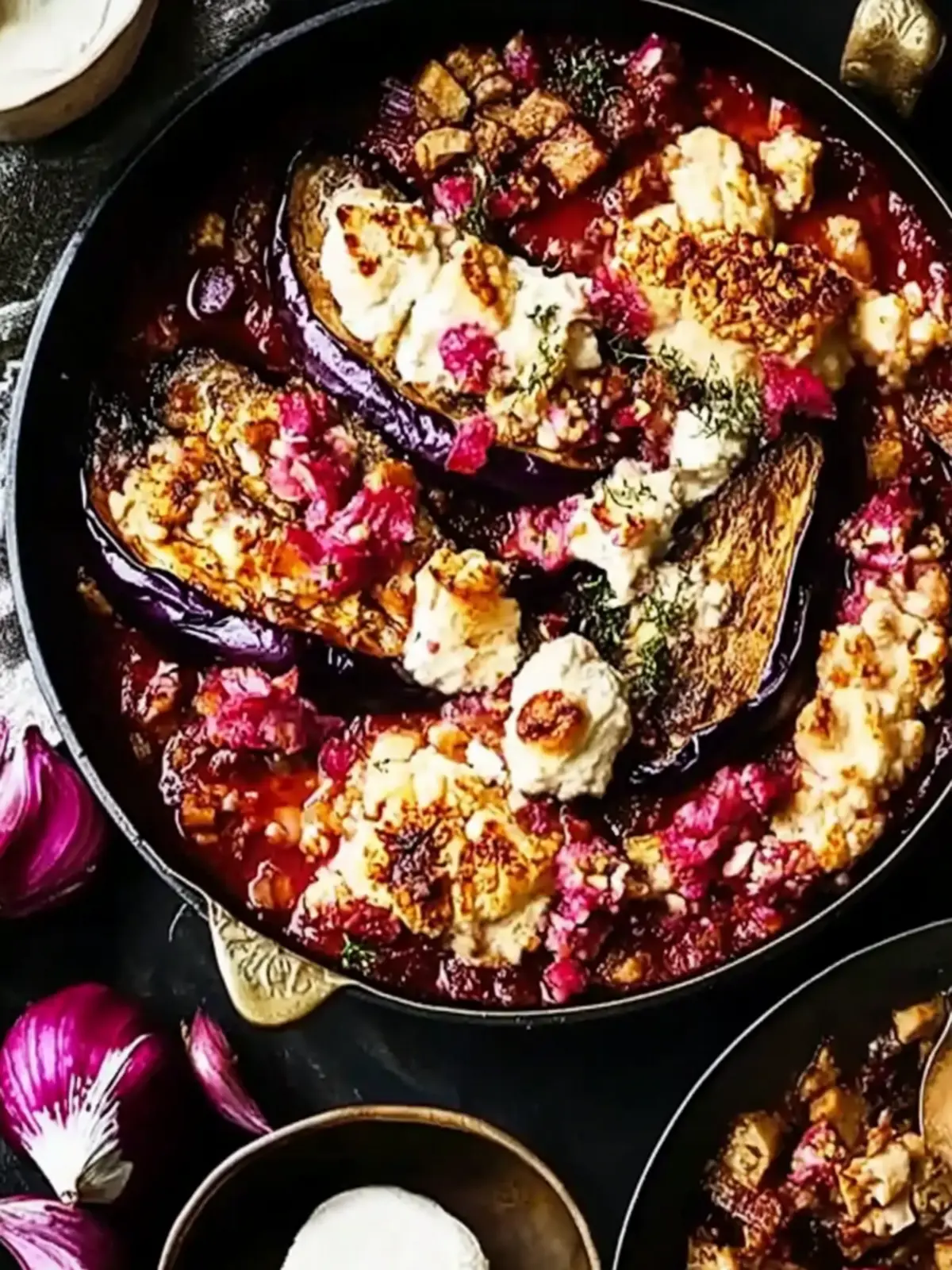
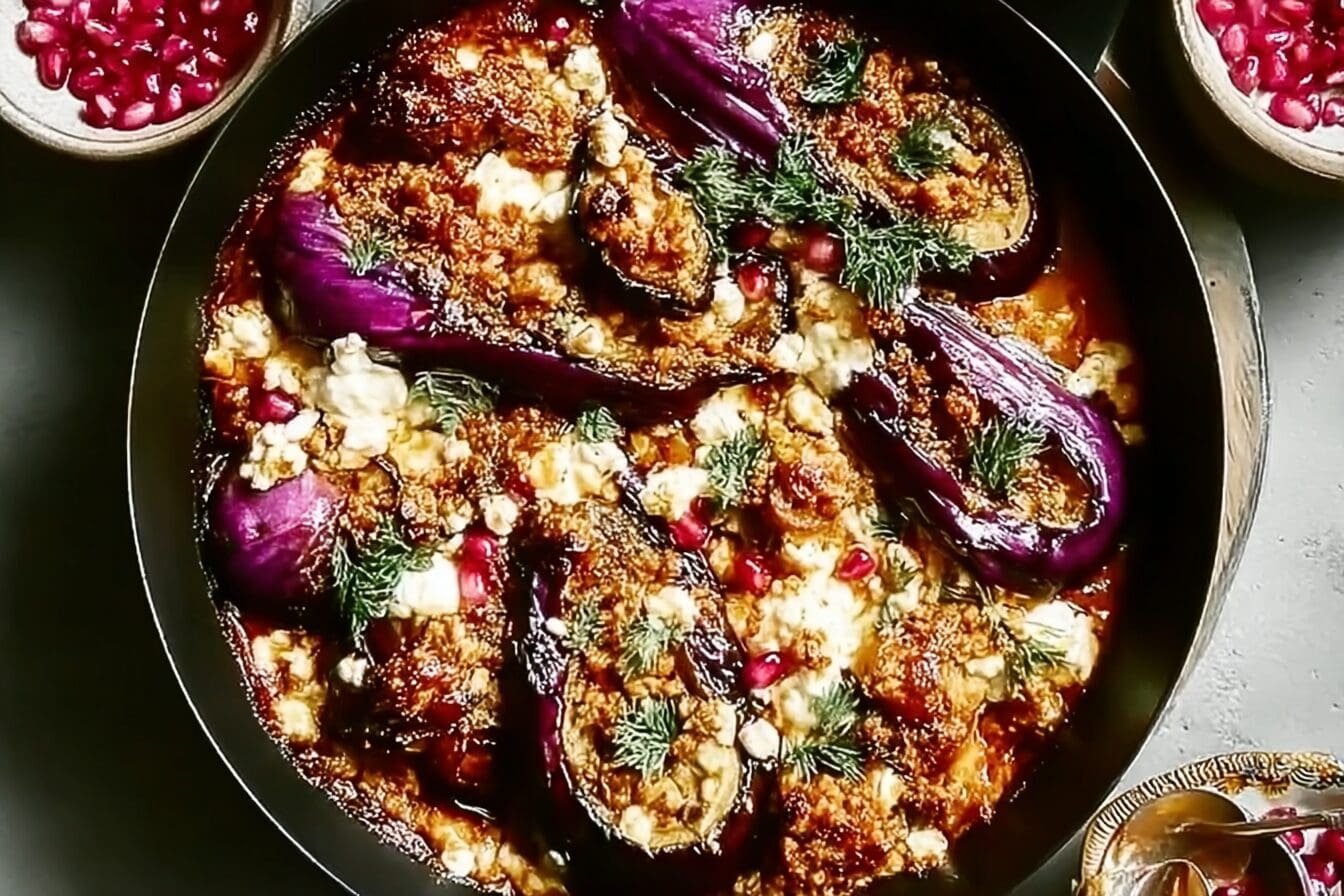
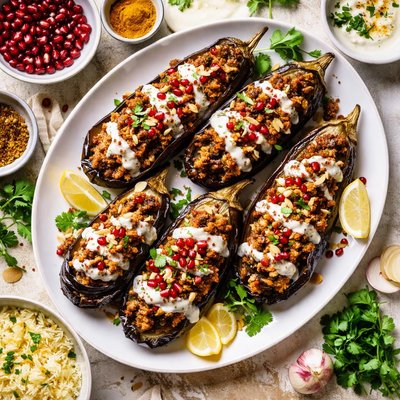
Iranian cuisine boasts a rich tapestry of flavors, and the use of aubergine, or eggplant, is prominent. An “iranian aubergine recipe” offers a delectable and versatile introduction to this culinary tradition. Often featuring a blend of sweet, sour, and savory elements, these dishes highlight the aubergine’s ability to absorb and complement complex spice combinations. The popularity of these recipes stems from their satisfying nature, adaptability to various dietary needs, and the relatively simple cooking techniques involved.
💡 Recipe Key Takeaways:
- Core Flavor: Easy-to-follow, delicious culinary preparation for Iranian Aubergine Recipe.
- Target Scope: Quick weeknight family dinners, home cooking, and festive meal planning.
- Chef Tip: Prep all measured ingredients in advance (mise en place) to ensure even cooking and optimal texture.
Ingredients
The essential ingredients for many Iranian aubergine recipes include:
- Aubergine (Eggplant): Long, slender varieties such as Japanese eggplant work well, but globe aubergine can also be used.
- Onions: Yellow or white onions form the base of many Iranian stews and sauces.
- Tomatoes: Fresh, canned diced, or tomato paste all contribute to the sauce’s richness.
- Garlic: Aromatic garlic enhances the overall flavor profile.
- Spices: Turmeric, cumin, coriander, and dried mint are common staples. Saffron, while often associated with Iranian cuisine, is not always essential in aubergine dishes but can add a luxurious touch.
- Lemon Juice or Verjuice (Ghooreh): Provides a necessary tanginess.
- Oil: Vegetable oil is commonly used, though olive oil can also be substituted.
- Optional additions: Walnuts, pomegranate molasses, chickpeas, or lentils add texture and depth of flavor.
- Fresh Herbs: Parsley, cilantro, or dill can be used as a garnish.
Possible Substitutions:
- For Verjuice, use a combination of lemon juice and a touch of sugar.
- If fresh tomatoes are unavailable, use canned diced tomatoes.
- Adjust spice levels to your preference.
Preparation Steps
Proper preparation is crucial for a successful Iranian aubergine recipe.
- Wash and dry the aubergine. Trim the ends.
- Salting: This step helps to draw out excess moisture and reduce bitterness. Slice the aubergine into desired shapes (rounds, cubes, or strips). Place the sliced aubergine in a colander and sprinkle generously with salt. Let it sit for at least 30 minutes, or up to an hour. Rinse thoroughly and pat dry with paper towels. This step is important, especially with globe aubergines.
- Chop the onions and garlic.
- Prepare the other vegetables and herbs according to the recipe.
- If using walnuts, lightly toast them in a dry pan to enhance their flavor.
Tip: Soaking the aubergine in salted water prevents it from absorbing too much oil during cooking.
Cooking Instructions
Different cooking methods impart unique characteristics to the final dish. Here are two common approaches:
1. Method 1
- Heat oil in a large pot or Dutch oven over medium-high heat.
- Fry the aubergine until golden brown on all sides. Remove from the pot and set aside.
- Add the onions to the pot and saut until softened and translucent.
- Add the garlic and spices, and saut for another minute until fragrant.
- Add the tomatoes (fresh or canned) or tomato paste. Cook for a few minutes to reduce acidity.
- Return the fried aubergine to the pot.
- Add enough water or broth to almost cover the aubergine.
- Bring to a simmer, then reduce heat and cover. Cook for approximately 45 minutes to 1 hour, or until the aubergine is very tender and the sauce has thickened.
- Stir in lemon juice or verjuice and any other desired additions, such as chickpeas or lentils.
- Simmer for another 10-15 minutes to allow the flavors to meld.
Temperature: Maintain a gentle simmer throughout the cooking process.
Timing: Total cooking time is roughly 1.5-2 hours, including preparation.
2. Method 2
- Preheat oven to 400F (200C).
- Pierce the aubergine several times with a fork.
- Bake for 45-60 minutes, or until the aubergine is very soft and collapses slightly.
- Allow the aubergine to cool slightly, then peel and mash the flesh.
- Saut chopped garlic in oil until fragrant.
- Add the mashed aubergine and cook for a few minutes, stirring constantly.
- Add chopped tomatoes (fresh or canned) and turmeric. Cook until the tomatoes have softened and the sauce has thickened.
- Optional: Whisk in eggs and cook until set.
Temperature: 400F (200C) for baking the aubergine.
Timing: Baking time is 45-60 minutes. Total cooking time is roughly 1-1.5 hours, including preparation.
Serving Suggestions
Iranian aubergine recipes are often served with:
- Steamed Basmati rice: The fluffy rice perfectly complements the rich sauce.
- Tadigh: The crispy rice crust from the bottom of the pot is a highly prized accompaniment.
- Yogurt: Plain yogurt provides a cooling contrast to the spiced aubergine.
- Fresh herbs: A sprinkle of chopped parsley, cilantro, or dill adds freshness.
- Flatbread: Serve with lavash or pita bread for scooping up the stew.
- Pickled vegetables (torshi): Adds a tangy and crunchy element.
Plating Idea: Arrange the rice on a plate, top with the aubergine stew, garnish with fresh herbs, and serve with a dollop of yogurt on the side. Related guide: Amaretto Sidecar Recipe.
Tips and Common Mistakes
Enhance your Iranian aubergine recipe with these helpful tips:
- Don’t skip the salting step: This crucial step removes bitterness and prevents the aubergine from becoming soggy.
- Fry the aubergine until golden brown: This adds depth of flavor.
- Use high-quality spices: Freshly ground spices provide the best flavor.
- Don’t overcook the aubergine: It should be tender but not mushy.
- Adjust the sweetness and sourness to your liking: Add more lemon juice or pomegranate molasses for a tangier flavor, or a touch of sugar for more sweetness.
Common Mistakes to Avoid:
- Using too much oil: Salting the aubergine and patting it dry helps prevent it from absorbing too much oil.
- Not allowing the sauce to thicken: A thick, rich sauce is essential for an authentic Iranian flavor.
- Adding too much water: Add water gradually, only as needed to prevent the dish from becoming watery.
Explore More Cooking Guides
Learning an “iranian aubergine recipe” offers a delicious gateway to understanding the depth and complexity of Iranian cuisine. The resulting dishes provide a delightful blend of textures and tastes, often incorporating sweet, savory, and tangy elements, offering a unique and satisfying culinary experience. Its adaptability makes it suitable for vegetarians and meat-eaters alike, easily customized with the addition of legumes or small pieces of lamb or beef. Try bringing this authentic dish to your dinner table. Discover more captivating recipes and cooking guides at website.com and embark on a flavorful journey into the world of Iranian cuisine!
Preparation & Cooking Specifications
| Prep Step | Estimated Time | Chef’s Best Practice |
|---|---|---|
| Mise en Place & Chopping | 10 – 15 Minutes | Keep ingredients uniform for even cooking |
| Active Cooking / Searing | 15 – 25 Minutes | Preheat skillet thoroughly before adding oil |
| Resting & Plating | 5 Minutes | Allow juices to redistribute before slicing |
Images References
Looking for more delicious meal ideas? Explore our tested Special Recipes collection for easy, family-friendly recipes.
Images References