Introduction
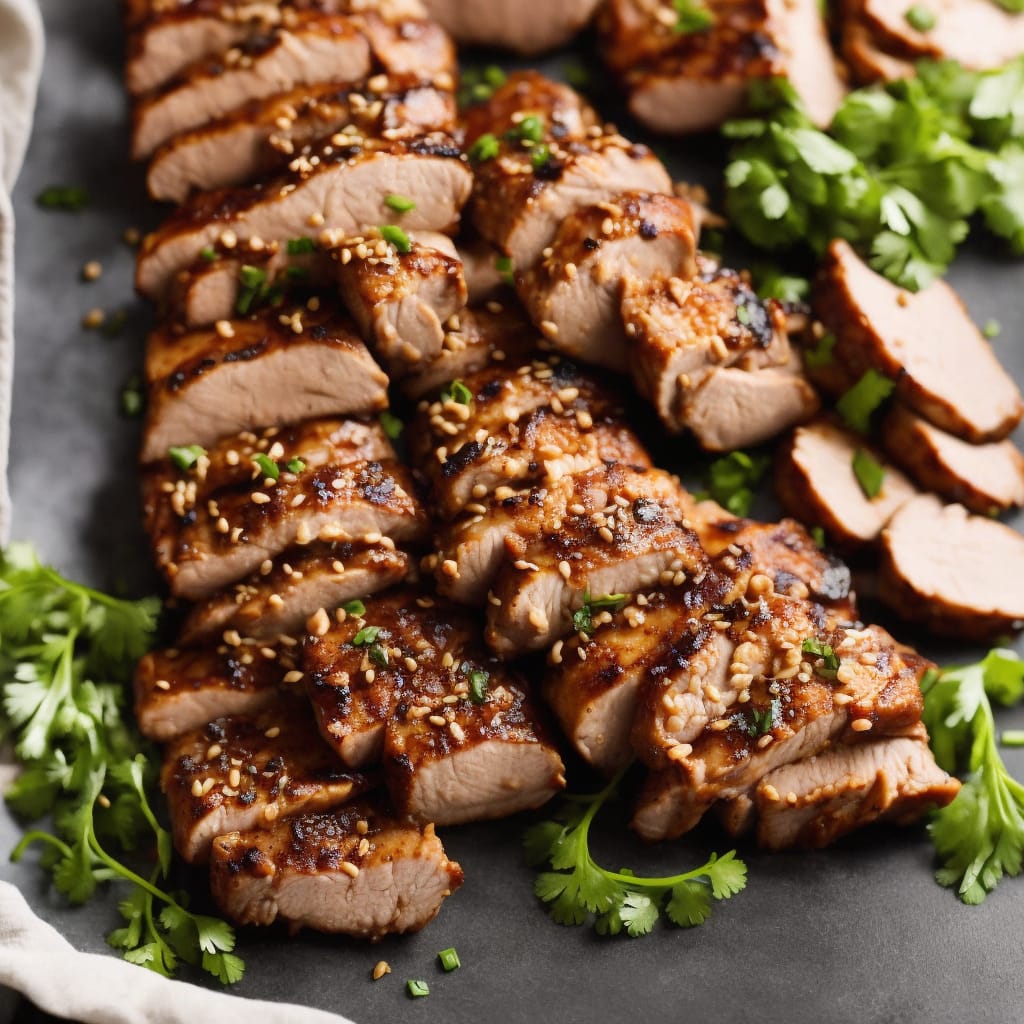
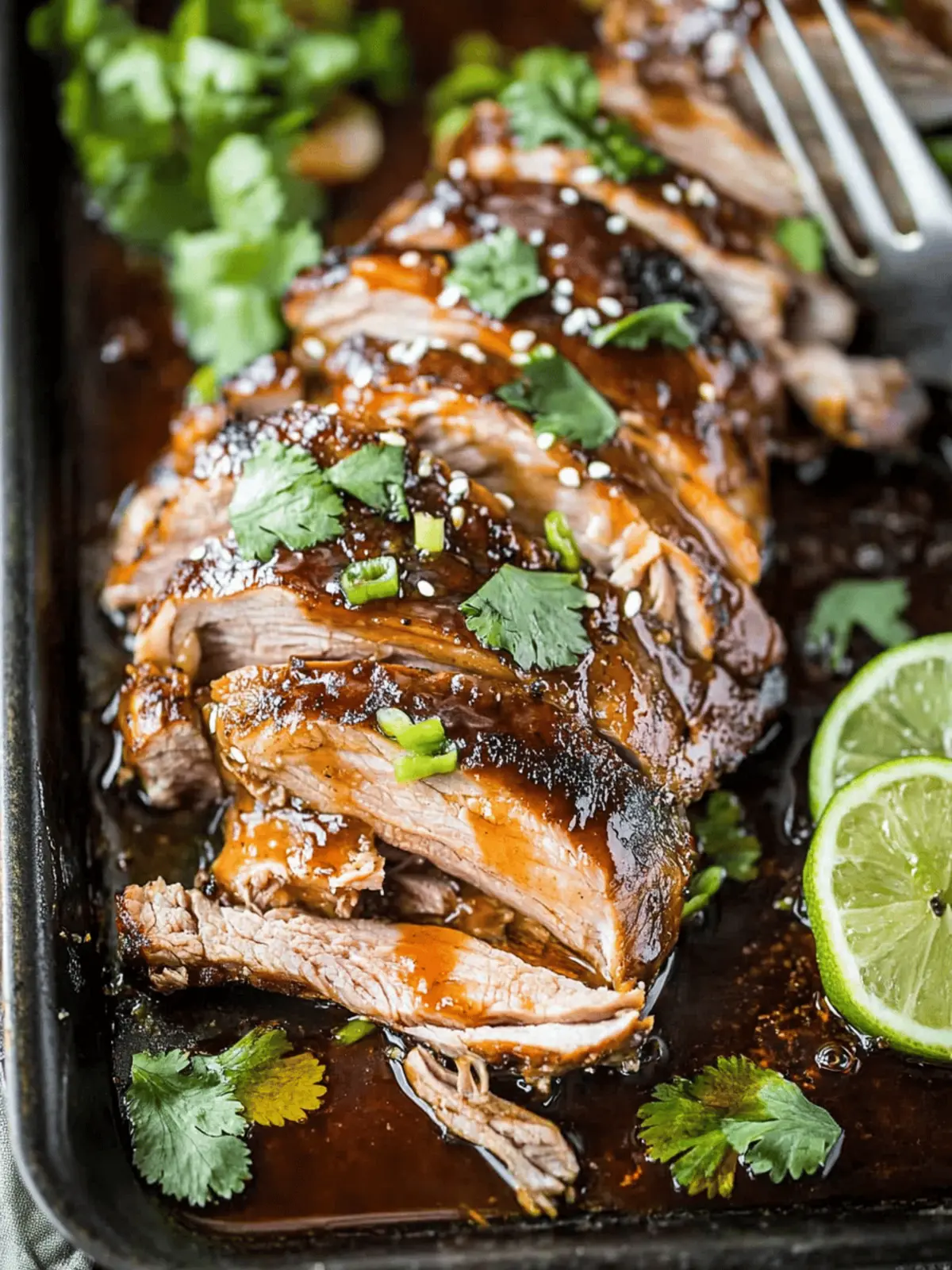
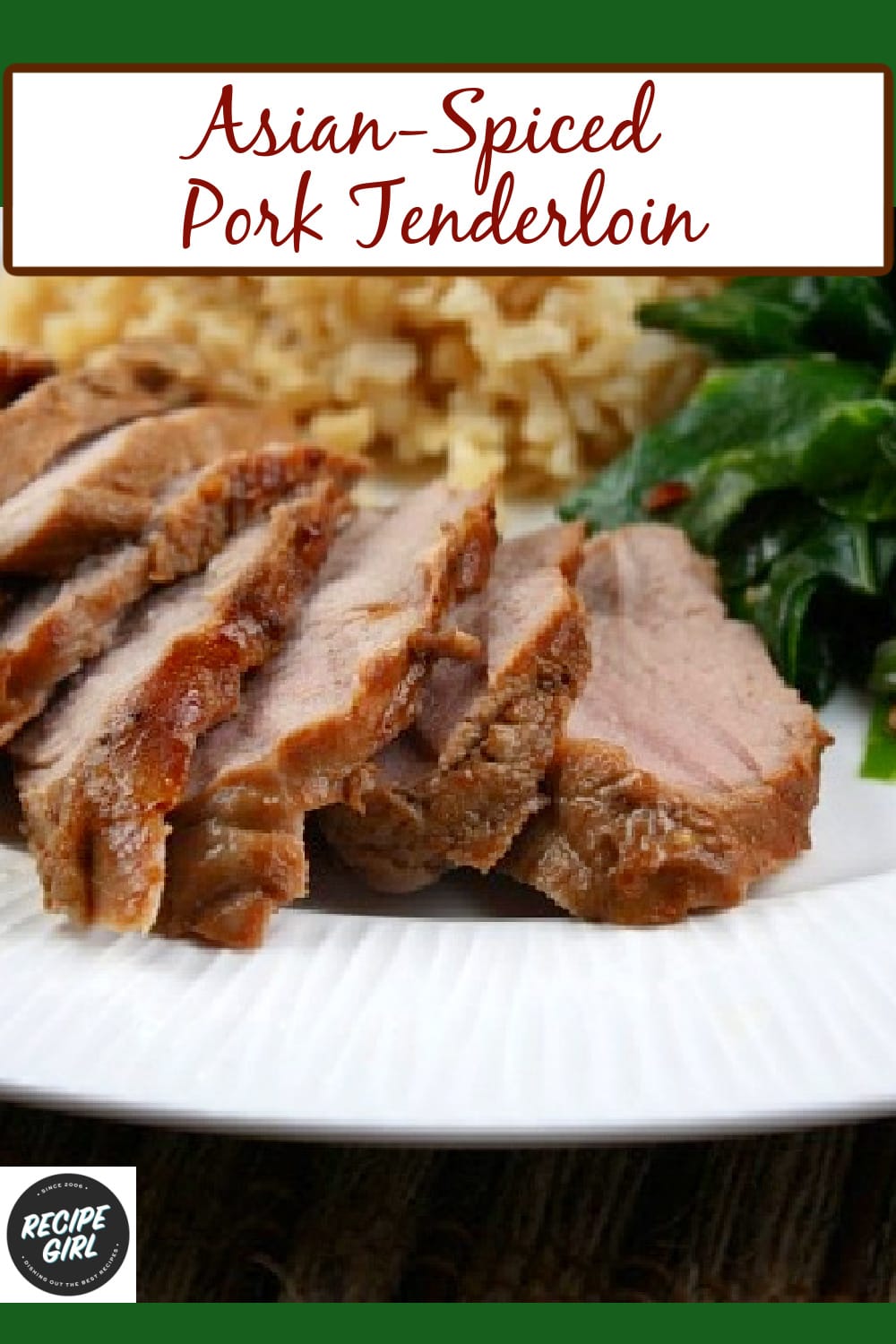
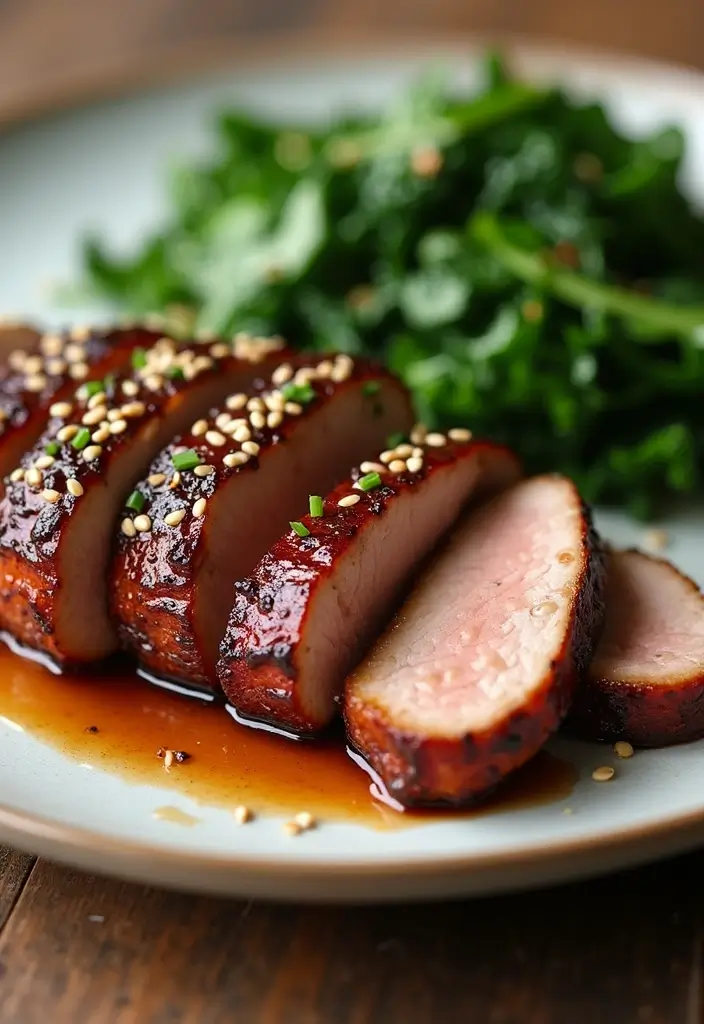
Asian pork tenderloin recipes offer a delightful fusion of Eastern flavors and Western cooking techniques. This lean and tender cut of pork, readily available worldwide, readily absorbs the sweet, savory, and umami notes characteristic of Asian cuisine. Its popularity stems from its quick cooking time, versatility, and ability to be adapted to a wide range of palates. Whether you prefer a vibrant stir-fry, a succulent roast, or a smoky grilled preparation, Asian pork tenderloin is a guaranteed crowd-pleaser.
💡 Recipe Key Takeaways:
- Core Flavor: Easy-to-follow, delicious culinary preparation for Asian Pork Tenderloin Recipes.
- Target Scope: Quick weeknight family dinners, home cooking, and festive meal planning.
- Chef Tip: Prep all measured ingredients in advance (mise en place) to ensure even cooking and optimal texture.
Ingredients
The foundation of most Asian pork tenderloin recipes lies in a balance of sweet, salty, and umami flavors. Here’s a typical ingredient list:. Related guide: Original Lipton Onion Burger Recipe.
- Pork Tenderloin: The star of the show, typically weighing between 1 and 1.5 pounds.
- Soy Sauce: Low-sodium soy sauce is recommended to control salt levels. Tamari is a gluten-free alternative.
- Honey or Maple Syrup: Provides sweetness and helps the sauce caramelize. Agave nectar can also be used.
- Rice Vinegar: Adds acidity and balances the sweetness. Apple cider vinegar can be substituted in a pinch.
- Ginger: Fresh ginger is preferred for its pungent aroma and flavor. Ginger paste can be used as a substitute.
- Garlic: Fresh garlic cloves, minced, are essential for an authentic Asian flavor profile.
- Sesame Oil: Adds a nutty aroma and rich flavor.
- Red Pepper Flakes (optional): For a touch of heat. Sriracha can also be added.
- Cornstarch (optional): To thicken the sauce.
- Green Onions: For garnish and a fresh bite.
- Sesame Seeds: For garnish and added texture.
Preparation Steps
Proper preparation is key to achieving a flavorful and tender Asian pork tenderloin. Begin by trimming any silver skin or excess fat from the tenderloin. This membrane can become tough during cooking. Next, consider marinating the pork. A marinade of soy sauce, honey, rice vinegar, ginger, garlic, and sesame oil for at least 30 minutes (or up to overnight) will infuse the pork with flavor. For a thicker sauce, reserve some of the marinade and thicken it with cornstarch slurry (cornstarch mixed with cold water) during the cooking process. Before cooking, allow the pork to come to room temperature for about 30 minutes for more even cooking.
Cooking Instructions
Asian pork tenderloin can be cooked using several methods. Here are a few popular options:
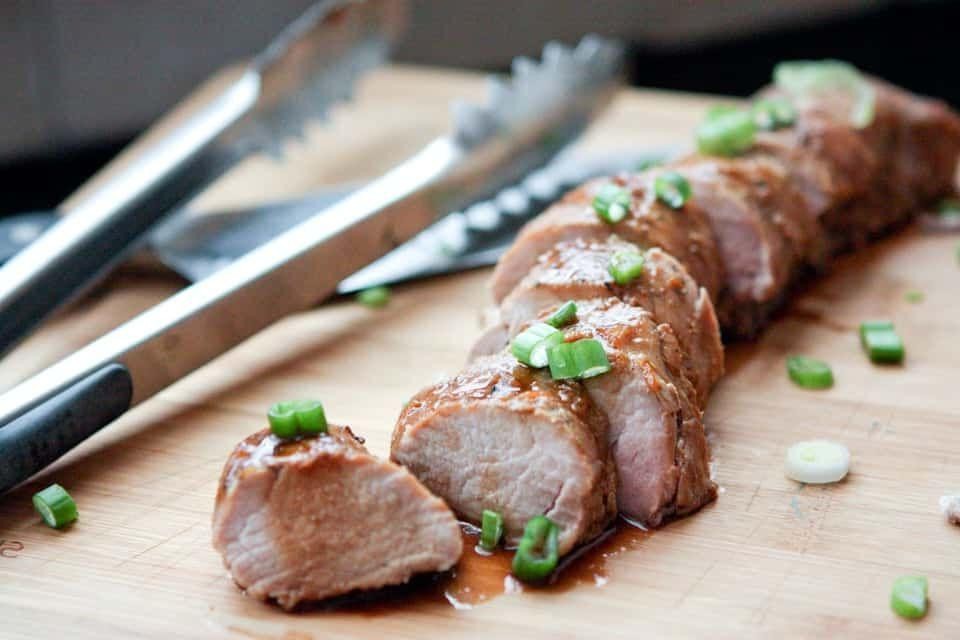
- Pan-Searing and Baking: This method achieves a nice sear on the outside and a juicy interior. Preheat oven to 400F (200C). Sear the pork tenderloin in a hot oven-safe skillet with oil over medium-high heat for 2-3 minutes per side. Transfer the skillet to the preheated oven and bake for 10-15 minutes, or until the internal temperature reaches 145F (63C). Let the pork rest for 5-10 minutes before slicing.
- Stir-Frying: Cut the pork tenderloin into thin slices and stir-fry it in a hot wok or large skillet with vegetables like bell peppers, broccoli, and onions. Add the marinade or a thickened sauce towards the end of cooking. Cook until the pork is cooked through and the vegetables are tender-crisp.
- Grilling: Marinate the pork tenderloin and grill it over medium heat for 15-20 minutes, turning occasionally, until the internal temperature reaches 145F (63C). Let the pork rest for 5-10 minutes before slicing.
- Roasting: Preheat oven to 375F (190C). Place the marinated pork tenderloin on a roasting pan. Roast for 20-25 minutes, or until the internal temperature reaches 145F (63C). Let the pork rest for 5-10 minutes before slicing.
Important Note: Always use a meat thermometer to ensure the pork is cooked to a safe internal temperature of 145F (63C), followed by a 3-minute rest time. This ensures the pork is both safe and juicy.
Serving Suggestions
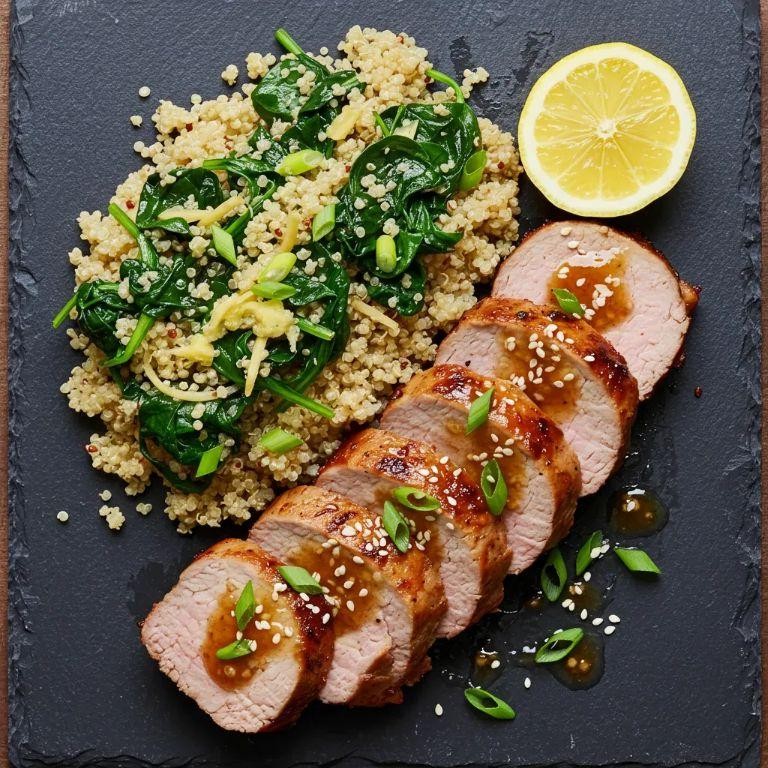
Asian pork tenderloin is incredibly versatile and pairs well with a variety of dishes. Serve it sliced over steamed rice or noodles. Consider adding a side of stir-fried vegetables, such as bok choy, snow peas, or mushrooms. A simple cucumber salad with rice vinegar and sesame oil provides a refreshing contrast. For a more elaborate meal, serve it with spring rolls or dumplings. Garnish with green onions, sesame seeds, and a drizzle of extra sauce.
Tips and Common Mistakes
To ensure success with Asian pork tenderloin recipes, keep the following tips in mind:
- Don’t Overcook: Pork tenderloin is lean and can become dry if overcooked. Use a meat thermometer and aim for an internal temperature of 145F (63C).
- Rest the Pork: Allowing the pork to rest for 5-10 minutes after cooking allows the juices to redistribute, resulting in a more tender and flavorful result.
- Trim Silver Skin: Silver skin is a thin membrane on the surface of the tenderloin that can become tough during cooking. Remove it before marinating or cooking.
- Don’t Skip the Marinade: Marinating the pork infuses it with flavor and helps to tenderize it.
- Use Fresh Ingredients: Fresh ginger and garlic make a significant difference in the flavor of the dish.
Explore More Cooking Guides
Learning to prepare Asian pork tenderloin recipes is a gateway to a world of vibrant flavors and satisfying meals. Its balance of sweet, savory, and umami, combined with the tender texture of the pork, creates an unforgettable culinary experience. With its adaptability to different cooking methods and flavor profiles, Asian pork tenderloin is a versatile dish suitable for both weeknight dinners and special occasions. It offers a healthy and delicious way to incorporate lean protein into your diet. Embrace the opportunity to elevate your cooking skills and delight your taste buds. Try one of these recipes at home and visit website.com for more cooking guides and culinary inspiration!
Youtube Video:
Preparation & Cooking Specifications
| Prep Step | Estimated Time | Chef’s Best Practice |
|---|---|---|
| Mise en Place & Chopping | 10 – 15 Minutes | Keep ingredients uniform for even cooking |
| Active Cooking / Searing | 15 – 25 Minutes | Preheat skillet thoroughly before adding oil |
| Resting & Plating | 5 Minutes | Allow juices to redistribute before slicing |
Images References
Looking for more delicious meal ideas? Explore our tested Beef & Pork Recipes collection for easy, family-friendly recipes.
Images References