Introduction
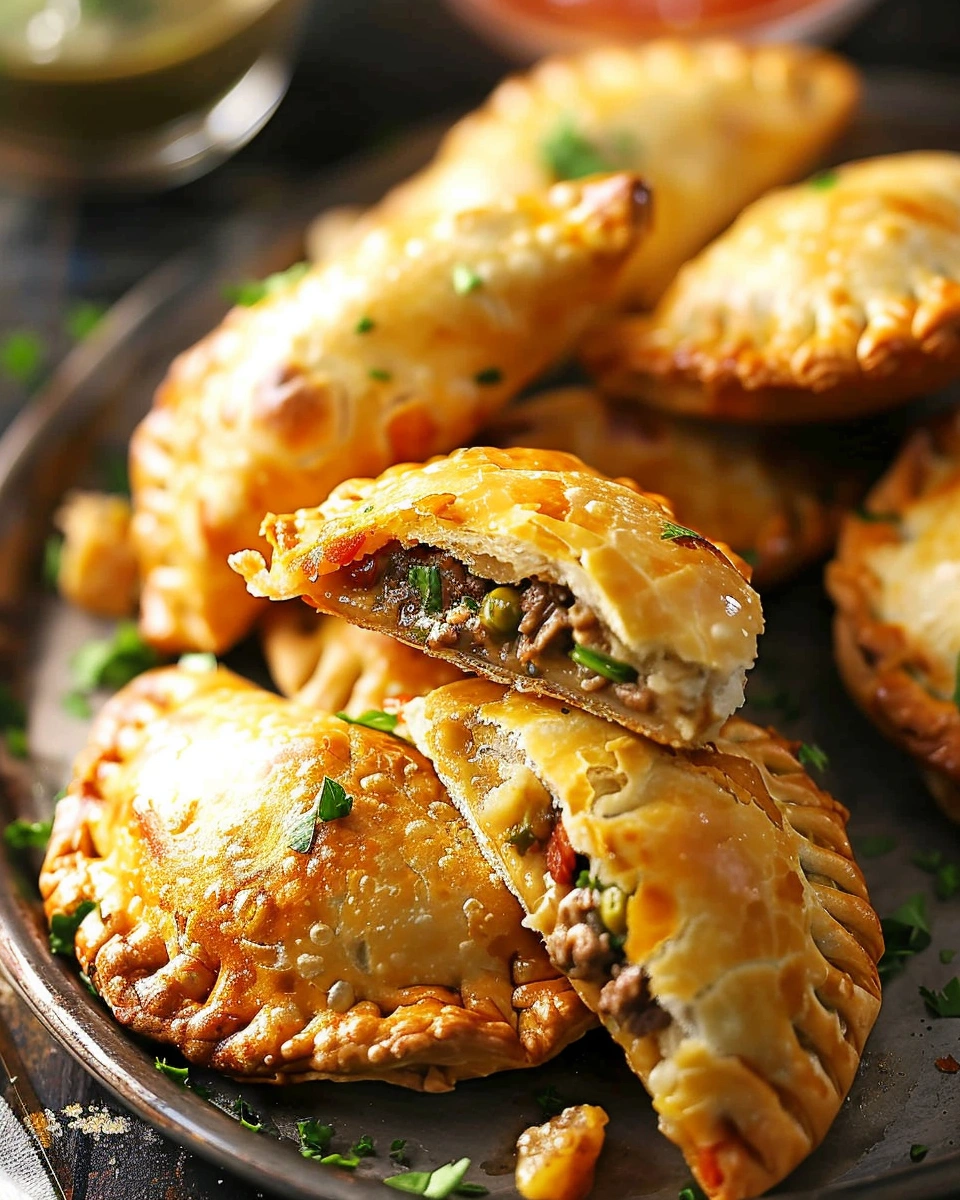
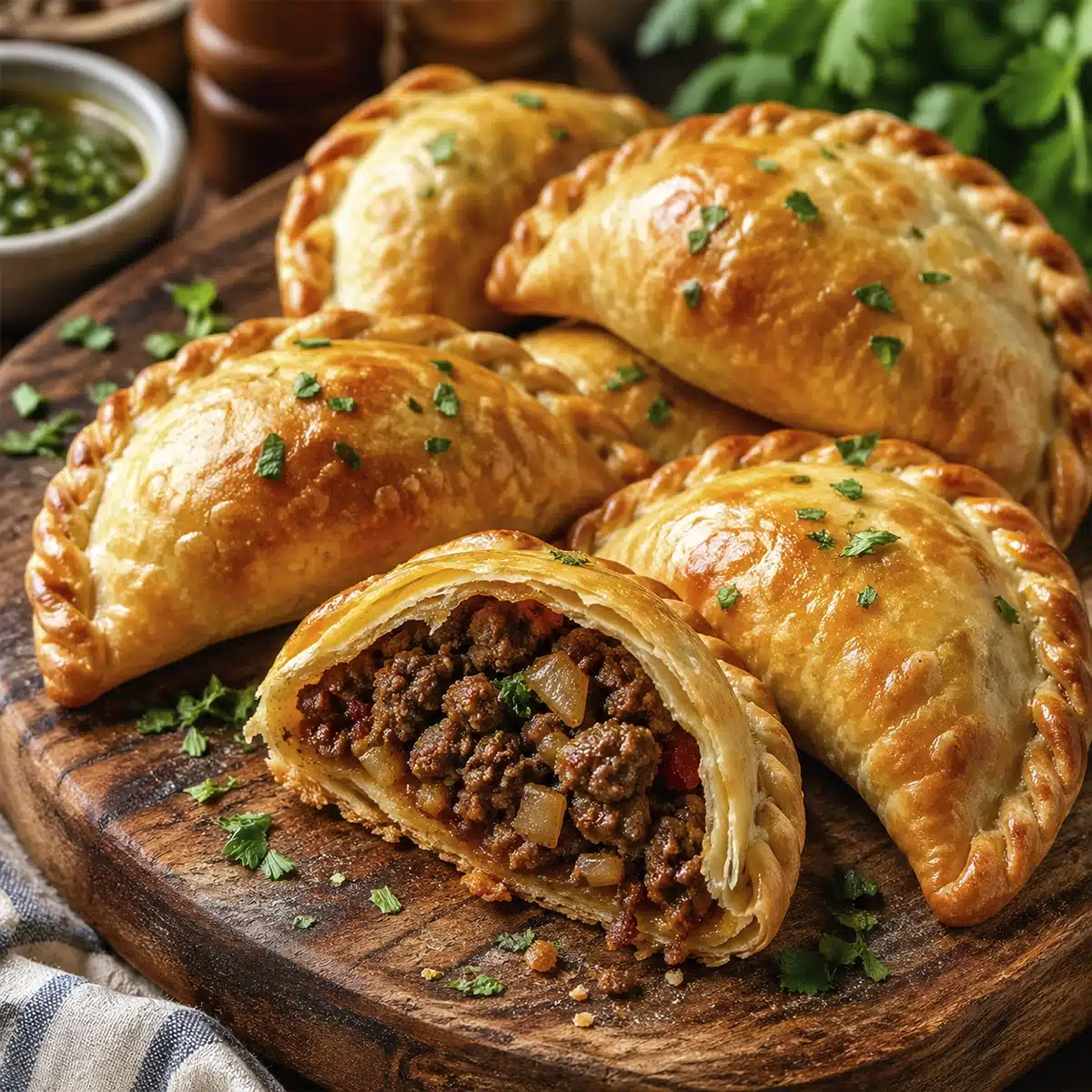
Beef and pork empanadas recipe mastery involves combining ground chuck and minced shoulder meat with aromatic vegetables encased in a flaky, lard-enriched pastry crust. According to Harold McGee’s Food Science Benchmarks, traditional pastry relies on solid fats kept at chilled temperatures to create steam pockets during baking, resulting in a distinctly crumbly texture. This classic comfort food preparation delivers deep savory flavor profiles through time-tested braising and baking methodologies. Culinary enthusiasts looking for complementary dishes can explore traditional pairings found within the Beef & Pork Recipes collection for more inspiration.
Culinary Prep Snapshot:
- Core Focus: A savory, dual-meat hand pie featuring spiced beef, pork, and flaky pastry.
- Target Scope: Traditional home-style comfort food preparation for family meals and gatherings.
- Key Recommendation: Chill the filling completely before assembly to prevent fat melting in the dough.
Core Principles and Detailed Overview
Beef and pork empanadas recipe success depends on balancing the fat content of the meats and sealing the edges securely to trap flavorful juices. Ground chuck provides a robust beef flavor, while ground pork introduces essential moisture and richness that keeps the filling tender inside the pastry shell. Proper seasoning relies on cumin, smoked paprika, garlic, and finely diced onions, sautéed until translucent before combining with the proteins. Incorporating these foundational techniques ensures an authentic, old-fashioned taste reminiscent of historic Latin American and Spanish bakeries.
Key Specifications and Breakdown
| Cooking Step / Component | Key Culinary Technique | Chef’s Quality & Food Safety Secret |
|---|---|---|
| Pastry Dough | Cut-in fat method with chilled butter or lard | Maintain cold ingredients to ensure distinct, flaky layers. |
| Meat Filling | Pan-searing followed by reduction | Drain excess fat to prevent the crust from becoming soggy. |
| Baking or Frying | High-heat thermal transfer (400°F oven or deep fry) | Ensure internal filling reaches USDA food safety standards. |
Cook ground meat mixtures to a minimum internal temperature of 160°F (71°C) to ensure safety before assembling pastries. — USDA Food Safety and Inspection Service (FSIS)
Step-by-Step Practical Application and Guidelines
Executing a successful beef and pork empanadas recipe requires meticulous attention to dough handling and crimping techniques. Begin by rolling the chilled pastry dough to an even one-eighth inch thickness, then cut uniform circles using a round cutter or bowl template. Spoon cooled meat filling into the center, taking care not to overfill the disk. Moisten the perimeter with cold water, fold the dough over to form a semicircle, and press firmly. Crimp the edges using the tines of a fork or a traditional repulgue rope fold to create an airtight seal that prevents leaks during cooking. Home cooks interested in expanding their repertoire of baked goods can also review selections under Desserts & Baking.
Common Challenges and How to Avoid Them
Soggy crusts and bursting seams represent the most frequent obstacles encountered when preparing meat hand pies. Preventing moisture damage requires chilling the cooked filling thoroughly prior to assembly and avoiding excessive grease in the pan. To prevent the dough from tearing during the folding stage, allow refrigerated pastry dough to rest for ten minutes at room temperature so the gluten relaxes sufficiently. Furthermore, piercing a small vent hole in the top crust allows built-up steam to escape, keeping the empanada intact throughout the baking process.
💬 Frequently Asked Questions
Explore More Time-Tested Home Recipes on WillyRecipes
Mastering traditional comfort food opens the door to countless heritage dishes that bring family and friends together around the dinner table. Every classic technique shared here aims to build confidence and culinary skill in home kitchens everywhere. Discover additional wholesome meals, savory pastries, and comforting classics by browsing the main index at WillyRecipes.com.
Recipe Step Photos & Variations