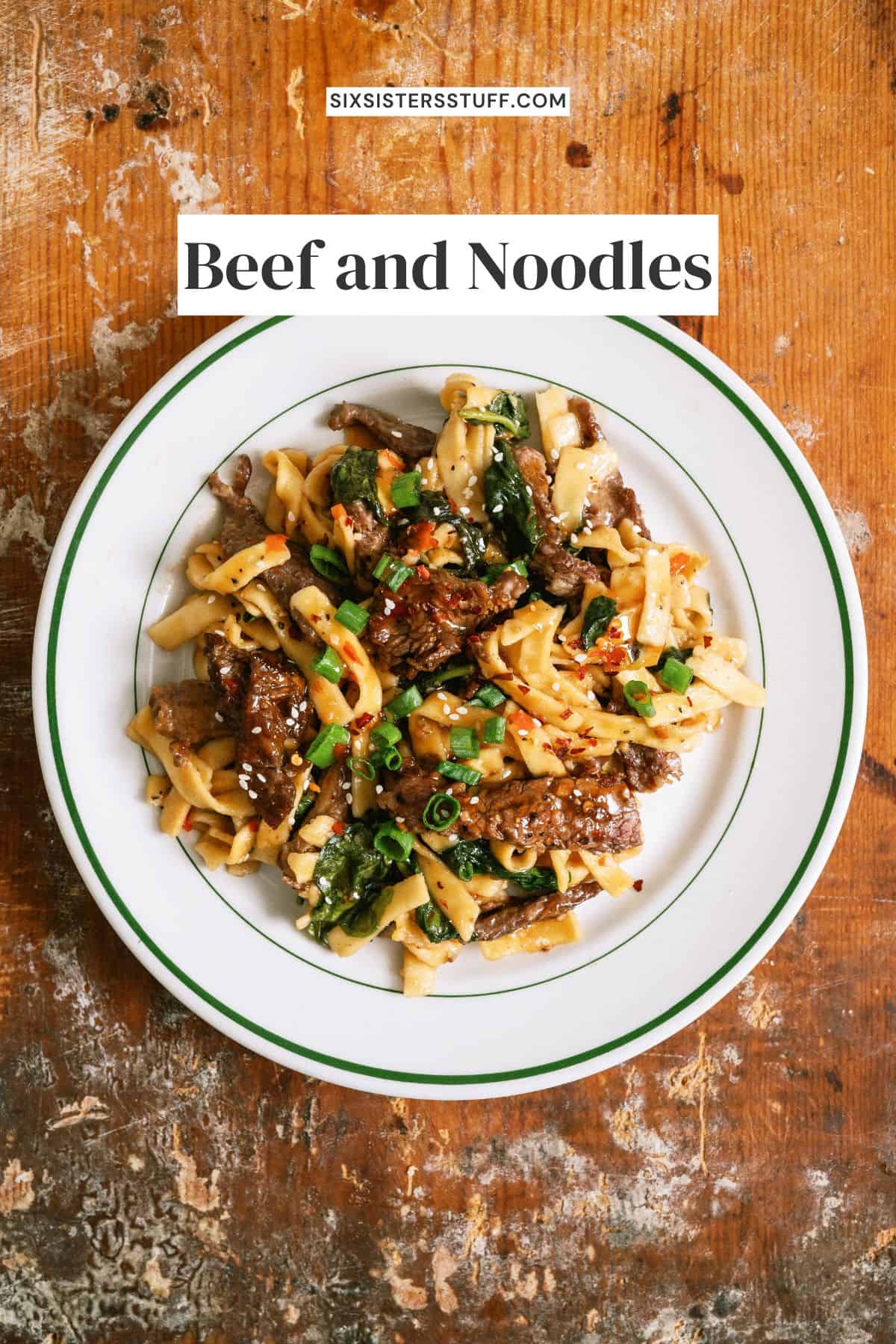
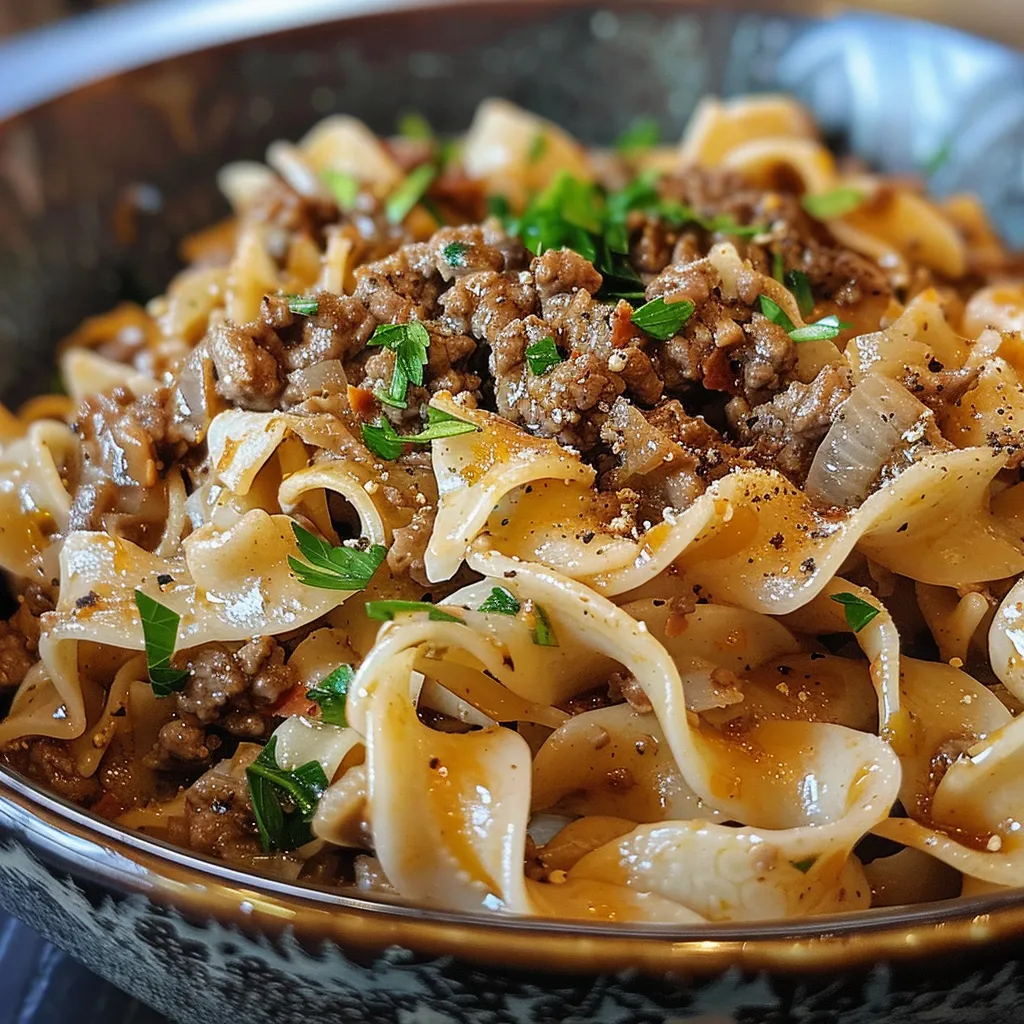
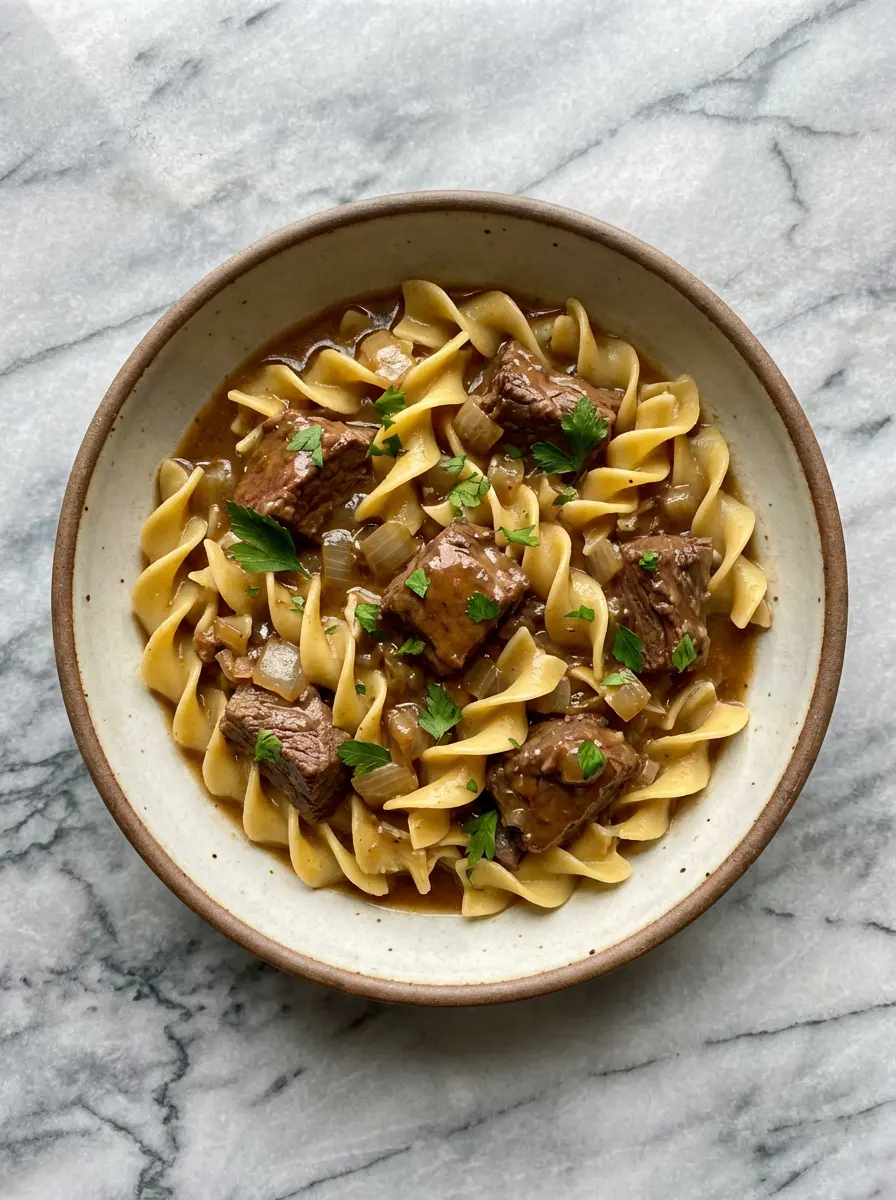
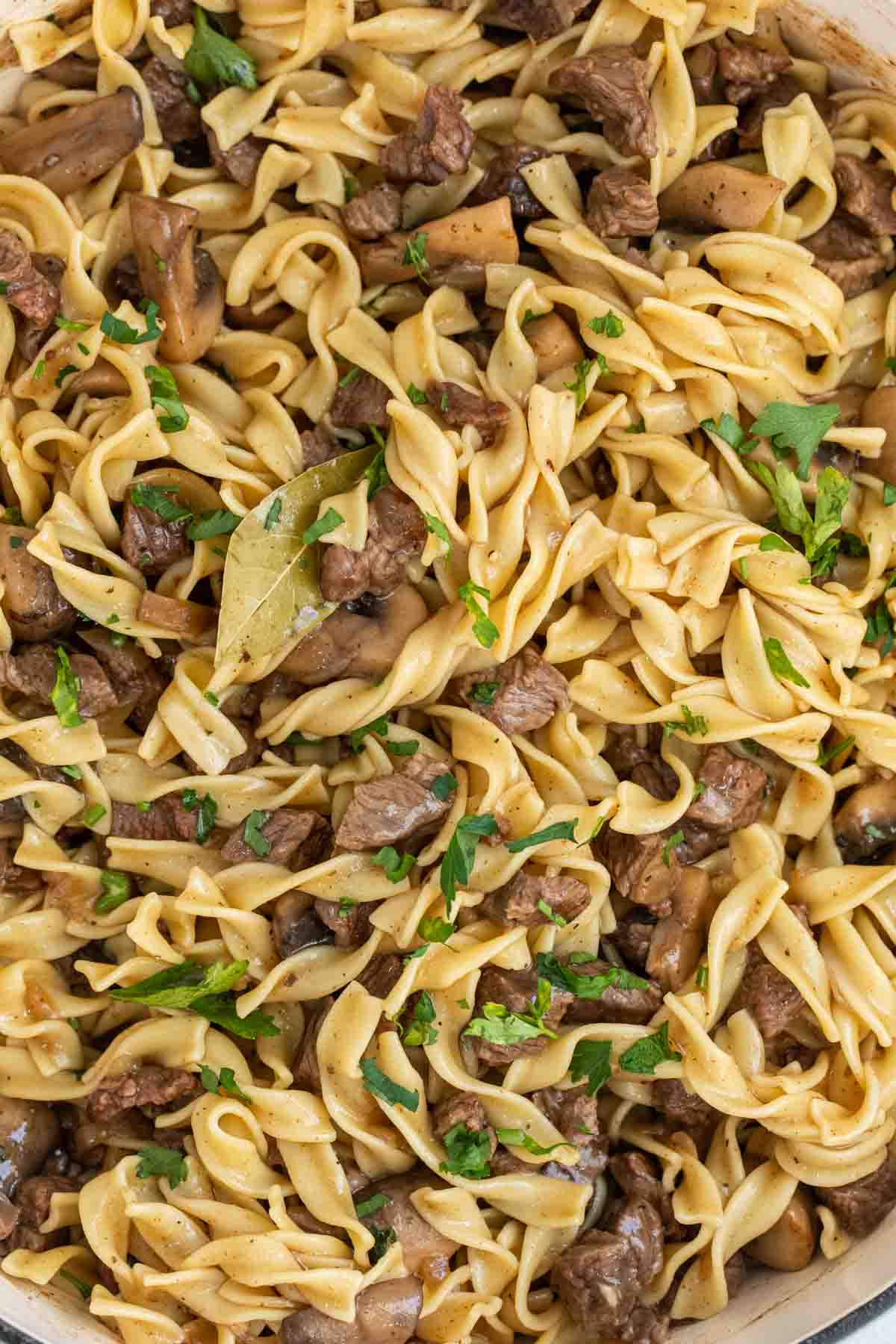
Introduction
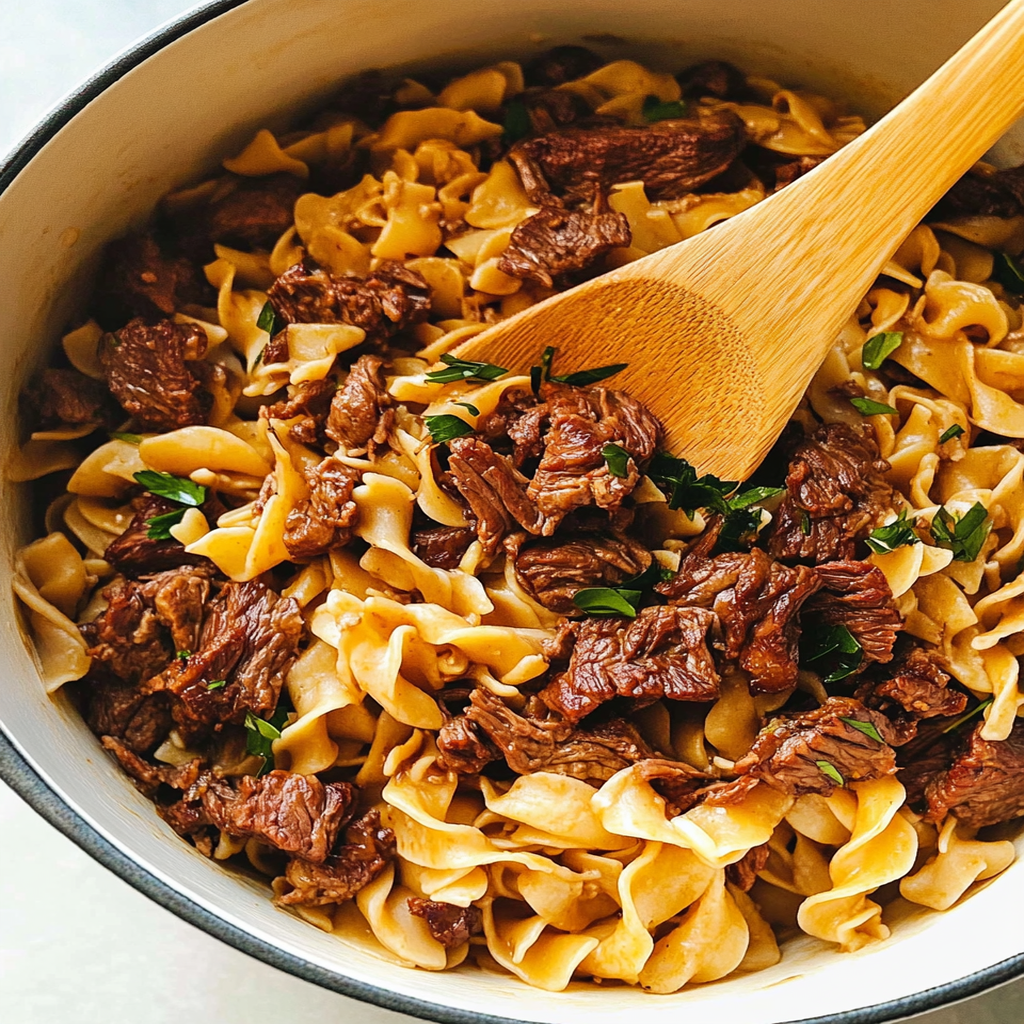
A traditional beef and pork noodles recipe combines hearty braised meats, rich broth, and tender wheat noodles into a deeply comforting, time-tested bowl of sustenance. According to the United States Department of Agriculture (USDA) Food Safety and Inspection Service (FSIS), maintaining proper internal cooking temperatures for mixed meat dishes ensures both optimal food safety and tender protein textures. Combining beef chuck and pork shoulder creates a complex, savory flavor profile rooted in classic old-fashioned cooking methods. Home kitchens utilizing these traditional techniques can easily achieve restaurant-quality depth by properly managing braising times and simmering temperatures. Exploring diverse traditional preparations within categories like Beef & Pork Recipes allows home cooks to expand their mastery over foundational comfort foods.
Culinary Prep Snapshot:
- Core Focus: Slow-braised beef and pork combined with artisanal noodles in a rich stock.
- Target Scope: Family-style comfort meal planning and traditional old-fashioned cooking.
- Key Recommendation: Sear meats deeply before braising to build foundational umami flavors.
Core Principles and Detailed Overview
Executing a successful beef and pork noodles recipe requires balancing the distinct cooking times and fat content of two unique protein sources. Beef chuck provides a robust, beefy foundation that withstands long hours of simmering, while pork shoulder contributes essential moisture and gelatin that enriches the cooking liquid. Traditional home-style preparation relies on slow, gentle heat extraction to break down tough collagen networks into unctuous gelatin without drying out the muscle fibers. Mastery of these fundamentals elevates a simple weeknight pasta bowl into an extraordinary traditional dish, drawing techniques from professional standards found across Cooking Methods & Appliances.
Key Specifications and Breakdown
| Cooking Step / Component | Key Culinary Technique | Chef’s Quality & Food Safety Secret |
|---|---|---|
| Meat Selection | Dicing into uniform 1.5-inch cubes | Choose well-marbled cuts for optimal tenderness during long braises. |
| Initial Searing | High-heat Maillard reaction development | Brown meats in small batches to prevent steaming and maximize crust flavor. |
| Noodle Integration | Al dente boiling and immediate rinsing | Cook noodles separately to keep cooking starches from clouding the broth. |
Ensure all ground or mixed cuts of beef and pork reach a safe minimum internal temperature of 160°F (71.1°C) to eliminate foodborne pathogens while maintaining optimal texture. — USDA Food Safety and Inspection Service (FSIS)
Step-by-Step Practical Application and Guidelines
Preparing the dish starts by thoroughly drying cubed beef chuck and pork shoulder with paper towels to ensure an optimal sear in a heavy-bottomed Dutch oven. After developing a deep golden-brown crust on the meats, remove them and sweat aromatics such as garlic, ginger, and scallions in the remaining rendered fat. Deglace the pan with rich bone broth or stock, scraping up the caramelized fond from the bottom, then return the meats to the pot for a slow, covered simmer until fork-tender. While the meat finishes, boil thick wheat or egg noodles separately until just tender, drain them thoroughly, and divide them among warmed serving bowls. Ladle the piping hot broth and tender meat directly over the noodles, garnishing with fresh herbs to balance the rich, savory flavors.
Common Challenges and How to Avoid Them
Preventing tough meat textures and cloudy broth remains the primary challenge when executing a traditional dual-meat noodle dish. Toughness usually occurs when meats are simmered at a violent boil rather than a gentle, consistent low simmer that allows tough connective tissue to melt properly. Additionally, cooking noodles directly inside the meat braising liquid releases excessive starches that can make the final dish pasty and overly thick. Keeping the noodles separate until final assembly preserves the clarity of the broth and ensures the pasta retains a desirable, toothsome bite.
💬 Frequently Asked Questions
Explore More Time-Tested Home Recipes on WillyRecipes
Mastering traditional comfort dishes opens the door to a wide world of satisfying home cooking. Discover additional comforting bowls, hearty mains, and classic techniques by browsing the extensive recipe archives available at WillyRecipes.com.
Recipe Step Photos & Variations