Introduction
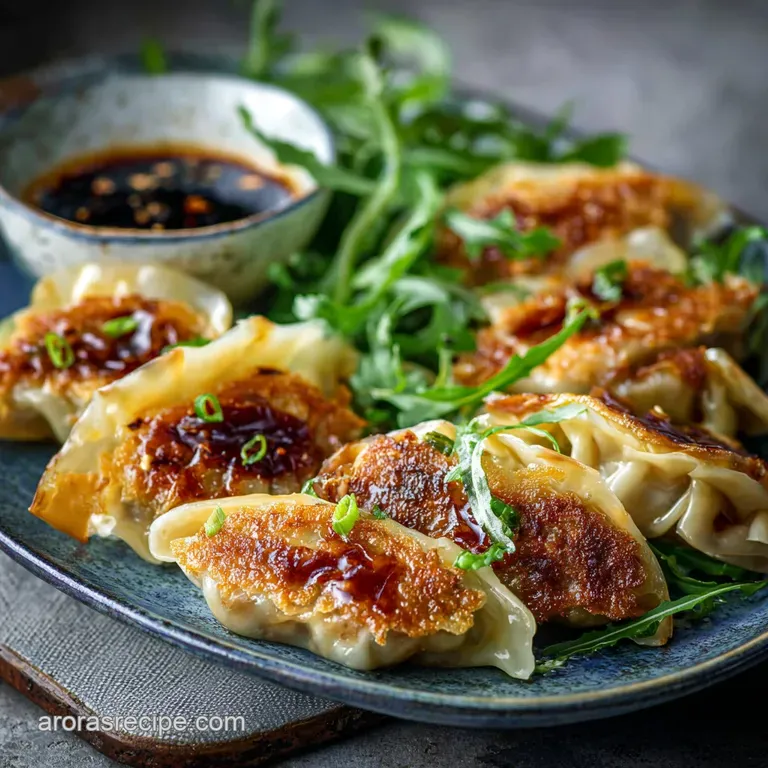
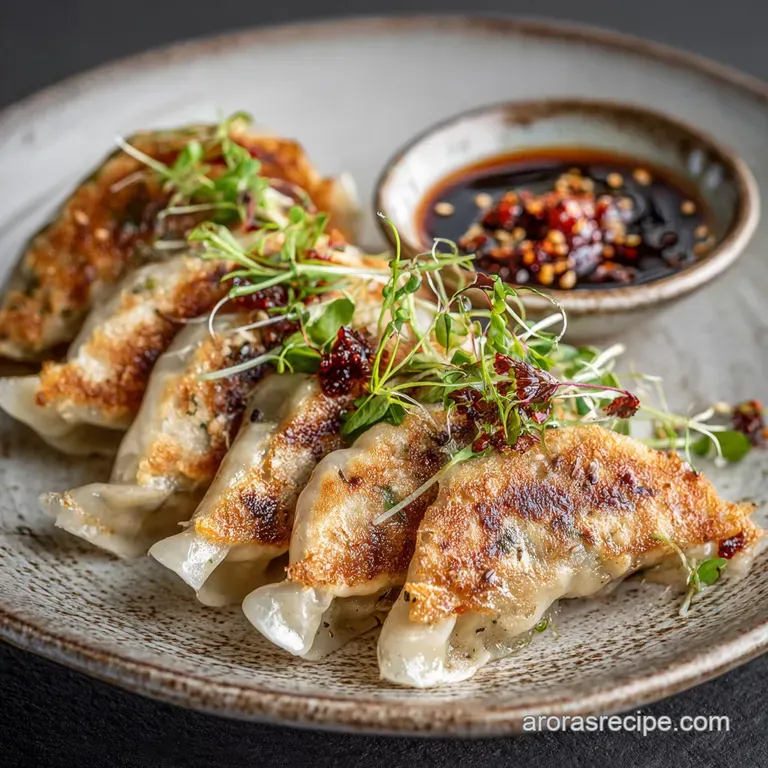
A traditional beef and pork gyoza recipe combines finely minced ground meats, crisp napa cabbage, garlic, ginger, and sesame oil wrapped in thin wheat dough skins, delivering a time-tested comfort food staple built on old-fashioned culinary balance. According to Culinary Institute of America (CIA) Standards, maintaining optimal fat ratios in meat fillings ensures proper moisture retention and texture during high-heat pan-searing. Exploring these techniques aligns closely with classic comfort selections found in Beef & Pork Recipes.
Culinary Prep Snapshot:
- Core Focus: Mastering the balance of ground beef and pork for savory dumpling fillings.
- Target Scope: Traditional home-style pan-fried dumplings (*potstickers*) prepared from scratch.
- Key Recommendation: Salt and drain napa cabbage thoroughly to prevent a soggy filling.
Core Principles and Detailed Overview
Creating exceptional dumplings requires understanding the interplay between lean beef, marbled pork, and aromatic vegetables to achieve authentic flavor profiles. Ground pork provides essential natural fats that keep the beef tender during cooking, while finely diced napa cabbage, scallions, soy sauce, and a dash of rice vinegar build savory depth. According to Harold McGee’s food science benchmarks, working with cold ingredients prevents fat smearing and preserves the distinct texture of the meat protein fibers, ensuring a juicy, succulent bite inside a crisp golden crust. Explore more in our Beef & Pork Recipes collection.
Key Specifications and Breakdown
| Cooking Step / Component | Key Culinary Technique | Chef’s Quality & Food Safety Secret |
|---|---|---|
| Meat and Cabbage Filling | Salting and purging excess vegetable moisture | Always squeeze napa cabbage completely dry to keep wrappers from tearing. |
| Pleating and Sealing | Traditional finger-pleating with water edge-gluing | Use plain tap water to seal edges firmly without overlapping excess dough. |
| Pan-Searing & Steaming | The Japanese *potsticker* (Yaki-Gyoza) method | Add slurry water during steaming to create a lacy, crispy bottom crust. |
Ground meat mixtures must reach a safe internal temperature of 160°F (71°C) to eliminate foodborne pathogens effectively while retaining maximum juiciness. — USDA Food Safety and Inspection Service (FSIS)
Step-by-Step Practical Application and Guidelines
Executing this recipe demands precise attention to mixing speed, wrapper hydration, and heat management during the dual-stage cooking process. Combine the ground beef, ground pork, minced garlic, ginger, soy sauce, sesame oil, and drained cabbage in a chilled bowl, stirring vigorously in one direction until the mixture turns sticky and cohesive. Place a spoonful of filling into the center of each gyoza wrapper, moisten the edge with water, and fold pleats along one side while pressing firmly to eliminate air pockets. Sear the bottoms in a hot, oiled skillet until golden brown, pour in a quarter-cup of water, cover immediately to steam until cooked through, and remove the lid to let remaining moisture evaporate for a crunchy base.
Common Challenges and How to Avoid Them
Preventing soggy wrappers and burst dumplings requires controlling moisture levels in both the filling components and the cooking pan. Excess liquid in the cabbage or too much water added during the steaming phase will dissolve the starch bonds of the wheat wrapper, resulting in sticky, torn casings. Maintain medium-high heat during the initial sear to ensure proper release from the skillet surface, and always use room-temperature water for the steam phase to prevent warping or cracking the hot pan.
💬 Frequently Asked Questions
Explore More Time-Tested Home Recipes on WillyRecipes
Mastering classic comfort dishes opens the door to countless traditional kitchen adventures. Discover additional heritage meals, baking techniques, and family-friendly dinners by browsing the complete collection at WillyRecipes.com for everyday culinary inspiration.
Recipe Step Photos & Variations