Introduction
A traditional beef and pork nilagang recipe yields a hearty, clear-broth boiled soup celebrated for extracting maximum savor from bone-in meats and root vegetables through slow, gentle simmering. According to the United States Department of Agriculture Food Safety and Inspection Service (FSIS), maintaining steady sub-boiling liquid temperatures during extended simmering ensures collagen breaks down completely into gelatin without rendering tough, contracted muscle fibers. Mastering this old-fashioned preparation transforms humble cuts into luxurious comfort food, aligning with classic techniques found throughout traditional Soups & Casseroles collections. Additional inspiration for hearty family meals can be explored within broader Beef & Pork Recipes archives.
Culinary Prep Snapshot:
- Core Focus: Slow-simmered dual-meat bone broth infused with whole spices and crisp vegetables.
- Target Scope: Traditional home-style comfort cooking for family-sized portions.
- Key Recommendation: Skim impurities continuously during the initial boil to maintain a crystal-clear broth.
Core Principles and Detailed Overview
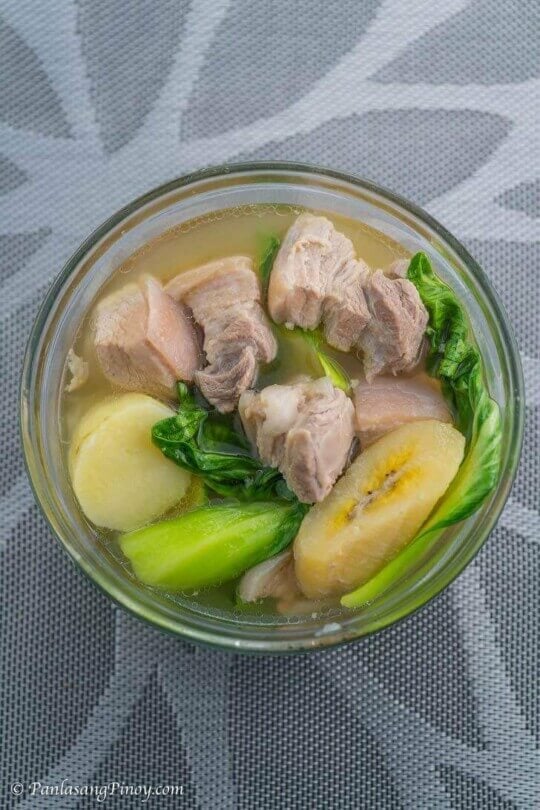
Executing an authentic beef and pork nilagang recipe requires layering protein additions based on density, starting with bone-in beef shanks or short ribs before introducing pork belly or shoulder. The primary culinary objective relies on water extraction, where connective tissues dissolve into the liquid to create a naturally rich mouthfeel without commercial thickening agents. Whole black peppercorns, smashed garlic cloves, and sliced yellow onions form the aromatic foundation, diffusing essential oils into the broth during the multi-hour reduction process. Starchy components like saba bananas, potatoes, and corn cobs are introduced near the final stage to prevent structural breakdown, while leafy greens such as bok choy or napa cabbage complete the dish right before serving.
Key Specifications and Breakdown
| Cooking Step / Component | Key Culinary Technique | Chef’s Quality & Food Safety Secret |
|---|---|---|
| Meat Blanching | Initial 10-minute boil and cold water rinse | Removes surface coagulated proteins to guarantee a clear, sediment-free broth. |
| Gentle Simmering | Low heat bubbling (85°C to 90°C) for 2 to 3 hours | Prevents tough meat textures by allowing collagen to transform smoothly into gelatin. |
| Vegetable Staging | Sequential addition based on density and cooking time | Protects structural integrity, keeping root vegetables tender without turning mushy. |
Proper thermal control during long simmering processes breaks down tough intramuscular collagen into gelatin safely while preserving optimal moisture retention — USDA Food Safety and Inspection Service (FSIS)
Step-by-Step Practical Application and Guidelines
Executing this heritage preparation begins by placing washed bone-in beef and pork chunks into a deep stockpot, covering them with cold water, and bringing the liquid to a rapid boil for ten minutes before discarding the initial water. Refill the pot with fresh filtered water, add smashed garlic, sliced onions, and crushed whole black peppercorns, then lower the heat to a gentle simmer covered with a lid. Skim the surface foam periodically during the first thirty minutes to eliminate residual impurities. Once both meats reach fork-tender consistency, incorporate firm root vegetables like potatoes and sweet corn, simmering for fifteen minutes before adding fibrous cabbage and green beans. Season with fish sauce or coarse sea salt to taste immediately before ladling steaming portions into deep ceramic bowls alongside steamed white rice.
Common Challenges and How to Avoid Them
Cloudy broth and tough, stringy meat represent the most frequent pitfalls encountered when preparing this traditional comfort dish. A murky broth almost always stems from skipping the initial meat blanching step or allowing the pot to roll-boil aggressively instead of maintaining a tranquil simmer. To correct and prevent cloudiness, always start meats in cold water, skim the surface meticulously, and keep the burner adjusted to the lowest effective bubble. Overcooking root vegetables is another common error; adding starchy elements too early causes them to dissolve completely into the liquid, muddying the clean flavor profile. Introduce dense ingredients only after the primary meats are fully tender to ensure balanced textures across every bowl.
💬 Frequently Asked Questions
Explore More Time-Tested Home Recipes on WillyRecipes
Mastering traditional comfort soups expands culinary confidence and deepens an appreciation for heritage cooking methods. Discover additional time-tested dishes, classic techniques, and comforting meal ideas across every culinary category by visiting the main index at WillyRecipes.com.
Recipe Step Photos & Variations