Introduction
Beef and pork terrine recipes represent a time-honored culinary tradition of combining coarsely ground meats, aromatic herbs, and flavorful spices into an elegant, sliceable loaf that highlights old-fashioned comfort cooking. According to Culinary Institute of America (CIA) Standards, mastering foundational charcuterie techniques requires balancing fat ratios and proper protein extraction to achieve structural integrity without overcomplicating the preparation. Traditional home cooks utilize these time-tested methods to transform economical cuts of meat into sophisticated centerpieces suitable for family gatherings and festive holiday tables. Mastering these savory preparations requires attention to detail, adherence to proven flavor pairings, and a deep respect for historical food preservation practices. Exploring these traditional techniques connects modern kitchens to centuries of heritage cooking while delivering exceptional flavors to the dining table. Enthusiasts looking to expand their culinary repertoire can discover related dishes within the broader collection of Beef & Pork Recipes.
Culinary Prep Snapshot:
- Core Focus: Crafting traditional beef and pork terrine recipes using classic French charcuterie methods.
- Target Scope: Traditional home cooks, family meal planners, and heritage food enthusiasts.
- Key Recommendation: Maintain a strict 70-to-30 meat-to-fat ratio to prevent dryness during the slow baking process.
Core Principles and Detailed Overview
Beef and pork terrine recipes rely on the scientific principles of protein binding, thermal gelatinization, and precise fat rendering to create a cohesive, sliceable loaf. Ground chuck paired with pork shoulder and fatback provides an ideal foundation, offering deep umami notes balanced by natural gelatin that solidifies upon chilling. Incorporating panade—a paste of breadcrumbs soaked in milk or wine—locks in internal moisture, keeping the coarse-ground texture tender rather than dense or rubbery. Artisanal home cooks frequently layer marinated meat strips through the center for visual appeal and textural contrast when sliced. Understanding how protein matrices contract under controlled heat ensures the finished loaf retains its shape without separating from the surrounding rendered fats and aspic. Further refinement of kitchen capabilities often involves studying advanced Cooking Methods & Appliances to monitor core temperatures accurately.
Key Specifications and Breakdown
| Cooking Step / Component | Key Culinary Technique | Chef’s Quality & Food Safety Secret |
|---|---|---|
| Meat Selection | Coarse grinding and chilling | Keep equipment and meats ice-cold to prevent fat smearing. |
| Thermal Processing | Bain-marie (water bath) cooking | Ensure water reaches halfway up the terrine mold for gentle, even heat transfer. |
| Post-Cooking Pressing | Weighted cooling | Apply consistent weight overnight to compact the meat and eliminate air pockets. |
According to USDA Food Safety and Inspection Service (FSIS) guidelines, ground meat mixtures must reach a safe minimum internal temperature of 160°F (71°C) verified by a food thermometer inserted into the thickest part of the loaf. — USDA Food Safety and Inspection Service (FSIS)
Step-by-Step Practical Application and Guidelines
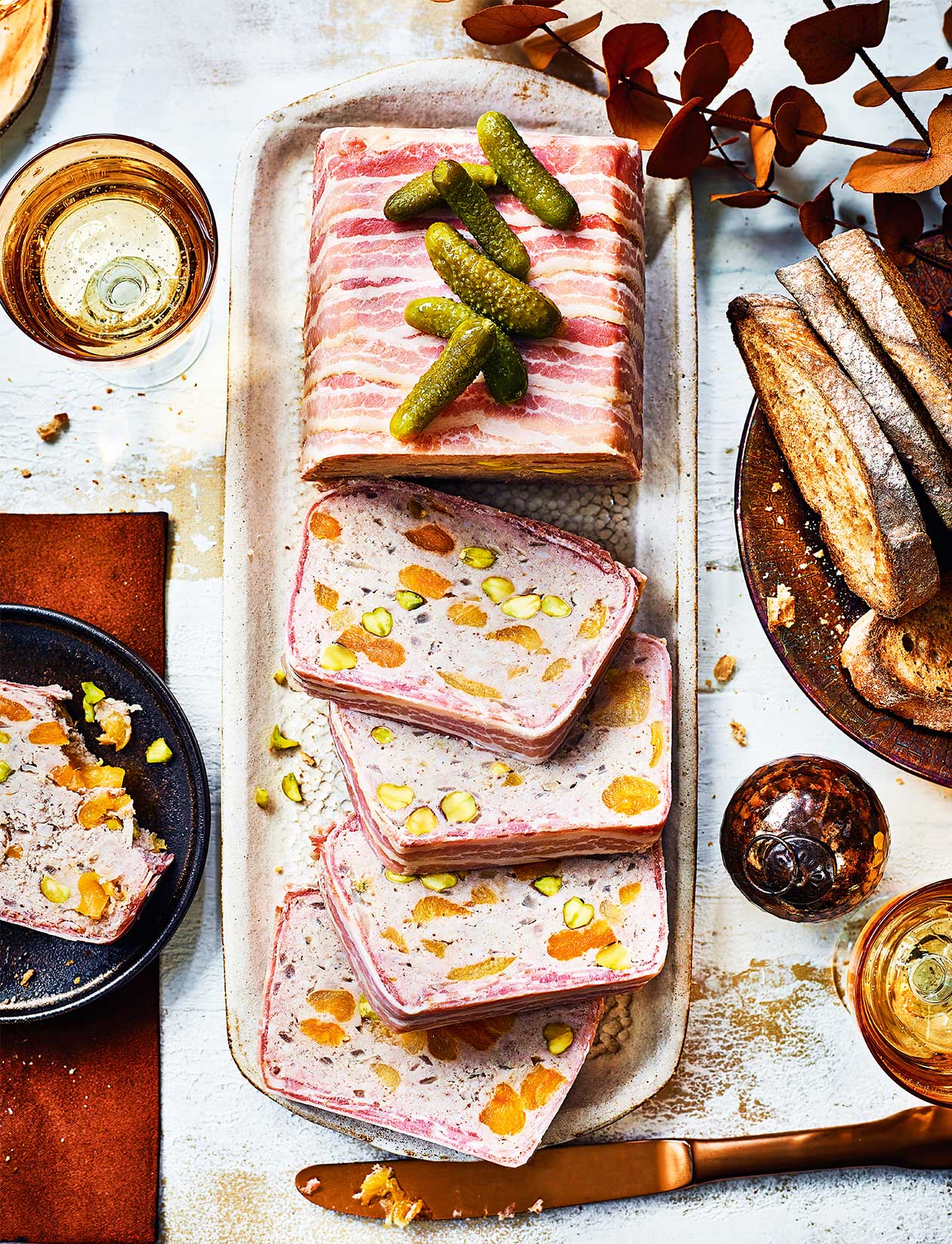
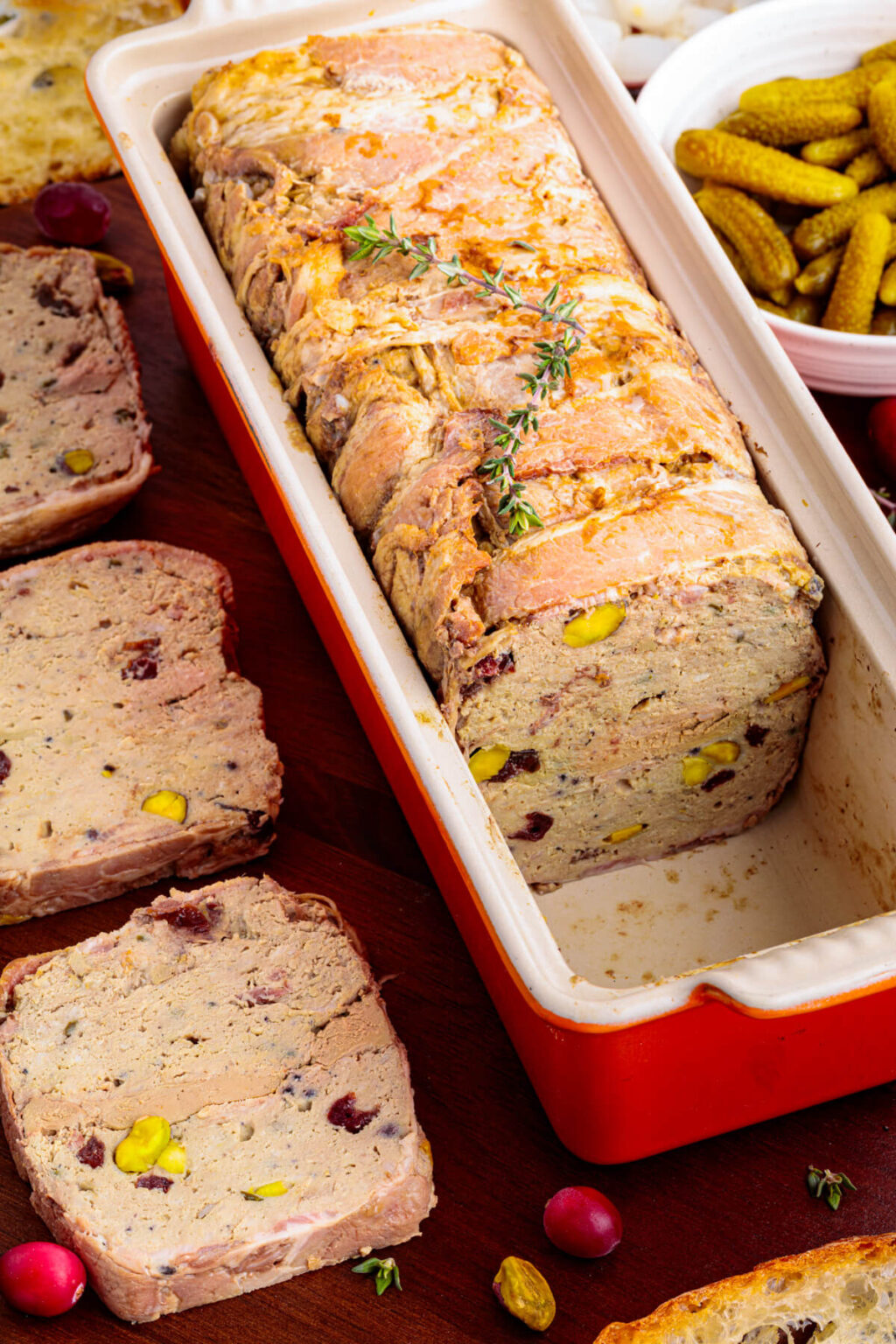
Executing beef and pork terrine recipes begins with meticulously dicing and grinding chilled meats, followed by thorough seasoning with aromatic herbs, salt, curing spices, and a splash of brandy or dry white wine. Line a traditional ceramic or cast-iron terrine mold with overlapping strips of thinly sliced bacon or pork fatback, allowing generous overhang to completely encase the meat mixture. Pack the seasoned meat firmly into the lined mold in stages, tapping the vessel against the counter periodically to eliminate trapped air pockets that could harbor bacteria or ruin the slice stability. Fold the bacon overhang across the top, cover the mold securely with foil, and place it inside a deep roasting pan filled with boiling water reaching halfway up the exterior walls. Bake slowly in a moderate oven until the designated internal safety benchmark is achieved, then remove from the oven and let the dish cool before weighting and refrigerating.
Common Challenges and How to Avoid Them
Dryness and crumbly textures in beef and pork terrine recipes typically stem from insufficient fat content or overcooking past the recommended internal temperature threshold. Combat this by ensuring the chosen pork cuts contain adequate visible marbling and supplementing lean beef with rich pork shoulder or added fatback. Another frequent obstacle is shrinkage, which leaves unsightly gaps between the meat loaf and the surrounding gelatin; this is prevented by maintaining a gentle water bath temperature and avoiding boiling water in the roasting pan. Slicing the loaf too soon while it remains warm causes structural collapse, so patience during the overnight chilling and weighting phase is mandatory for achieving clean, professional-looking portions.
💬 Frequently Asked Questions
Explore More Time-Tested Home Recipes on WillyRecipes
Traditional home cooking encompasses far more than classic charcuterie, spanning hearty comfort foods, comforting bakes, and heritage techniques passed down through generations. Culinary enthusiasts are encouraged to browse the comprehensive collection available at WillyRecipes.com to find trusted guidance for every meal occasion. Continued kitchen experimentation elevates everyday ingredients into remarkable feasts that bring family and friends together around the dinner table.
Recipe Step Photos & Variations