Introduction
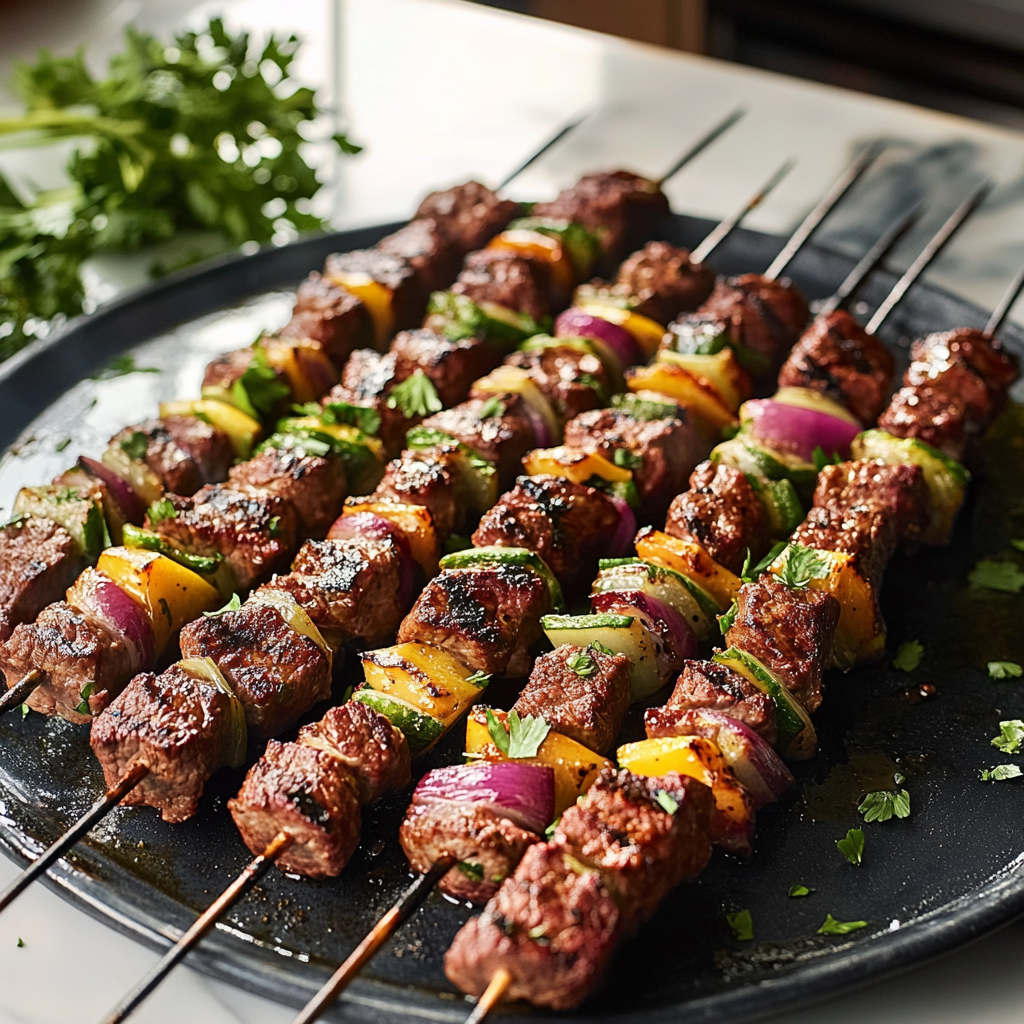
A traditional beef pork kebab recipe combines well-marbled cuts of beef chuck and pork shoulder threaded onto skewers and grilled to achieve a savory, old-fashioned comfort food experience. According to the USDA Food Safety and Inspection Service (FSIS), ensuring proper internal temperatures—145°F for pork cuts with a 3-minute rest and 145°F for whole-cut beef—guarantees both food safety and optimal tenderness. Mastering this rustic dish relies on balancing the lean robustness of beef with the succulent richness of pork, creating a harmonious blend deeply rooted in traditional homestyle cooking traditions explored within Beef & Pork Recipes.
Culinary Prep Snapshot:
- Core Focus: A balanced combination of beef and pork cuts marinated in acidic aromatics and grilled over direct heat.
- Target Scope: Traditional family gatherings, backyard barbecues, and rustic comfort food meal planners.
- Key Recommendation: Cut uniform meat cubes and separate them from vegetables on distinct skewers to ensure even cooking rates.
Core Principles and Detailed Overview
Successful execution of a beef pork kebab recipe depends entirely on cut selection, acidic marinades, and thermal management during the grilling process. Beef chuck and pork shoulder offer high fat distribution, which prevents the meat from drying out during high-heat cooking methods detailed in Cooking Methods & Appliances. Acidic components like lemon juice or vinegar in the marinade tenderize tough muscle fibers, while garlic, paprika, and black pepper infuse deep flavor profiles into every layer. Skewering technique requires grouping similar proteins together to prevent uneven doneness, as lean beef cooks differently from marbled pork when exposed to open flames.
Key Specifications and Breakdown
| Cooking Step / Component | Key Culinary Technique | Chef’s Quality & Food Safety Secret |
|---|---|---|
| Meat Selection & Cutting | Uniform 1.5-inch cubic sizing | Maintain consistent thickness to ensure simultaneous cooking across all skewers. |
| Acidic Marination | Enzymatic tenderizing via vinegar/citrus | Limit marination to four hours to prevent meat texture from becoming mushy. |
| Thermal Cooking | Direct grilling over medium-high coals | Rotate skewers every two minutes to build an even char without burning exterior spices. |
Cook whole cuts of beef and pork to a minimum internal temperature of 145°F, followed by a three-minute rest time before carving or serving. — USDA Food Safety and Inspection Service (FSIS)
Step-by-Step Practical Application and Guidelines
Preparation begins by trimming excess silver skin from the beef and pork, followed by cubing the meats into uniform 1.5-inch pieces to promote even heat penetration. Submerge the cubed meat in a blend of olive oil, crushed garlic, dried oregano, salt, and red wine vinegar, allowing the mixture to rest in a refrigerated environment for at least two hours. Thread the marinated proteins alternately onto soaked wooden or flat metal skewers, leaving a small gap between each piece for proper heat circulation. Grill the assembled skewers over a medium-hot charcoal or gas fire, turning frequently and basting with leftover marinade during the initial stages to develop a deeply caramelized, savory crust.
Common Challenges and How to Avoid Them
Dry, tough meat represents the most frequent issue encountered when preparing mixed-meat skewers, typically caused by using lean cuts like beef sirloin or pork tenderloin without adequate fat content. Prevent this by selecting well-marbled chuck and shoulder cuts, which self-baste as the intramuscular fat renders over the hot grill grates. Another common obstacle involves vegetables burning before the thick meat cubes finish cooking through. Solve this challenge by skewering vegetables separately from the meats, or by choosing dense vegetables like bell peppers and onions that match the cooking timeline of the cubed proteins.
💬 Frequently Asked Questions
Explore More Time-Tested Home Recipes on WillyRecipes
Expanding culinary repertoires with additional homestyle comfort dishes is simple when browsing through the extensive archives provided at WillyRecipes.com. Discover traditional baking projects, hearty casseroles, and foundational cooking techniques designed to bring authentic flavors back to the family dinner table.
Recipe Step Photos & Variations