Introduction
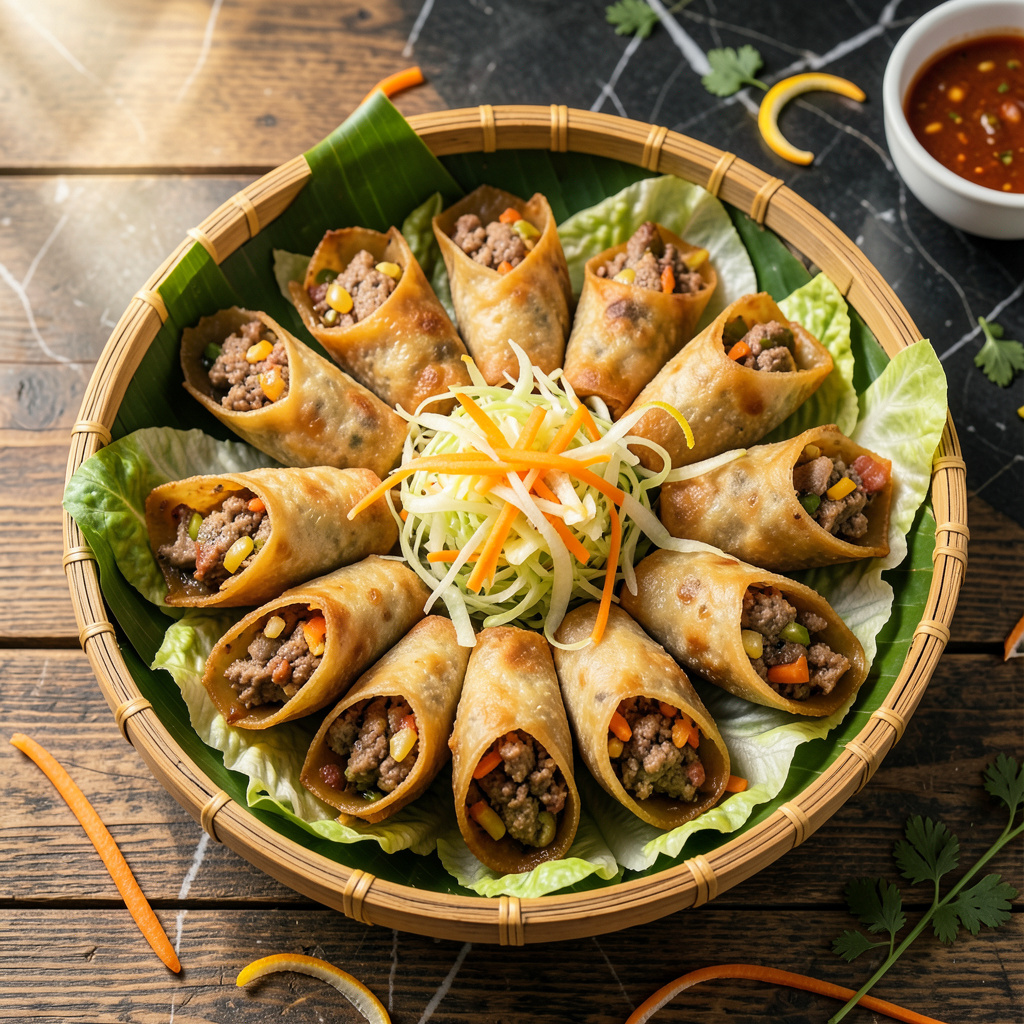
A traditional beef pork lumpia recipe combines ground beef, minced pork, aromatics, and finely chopped vegetables wrapped in thin pastry paper and fried until crisp. According to the USDA Food Safety and Inspection Service (FSIS), ground meats must achieve a safe minimum internal temperature of 160°F to ensure complete food safety during meal preparation. This classic comfort food balances savory proteins with a shatteringly crisp exterior, making it a foundational staple in traditional home-style cooking and family gatherings. Mastering this preparation requires strict attention to moisture management and wrapping tension to guarantee structural integrity during frying. Enthusiasts seeking additional savory inspiration can explore companion dishes within the Beef & Pork Recipes directory.
Culinary Prep Snapshot:
- Core Focus: Crafting crispy, balanced meat-filled spring rolls using mixed beef and pork.
- Target Scope: Traditional home-style comfort food preparation and frying techniques.
- Key Recommendation: Drain all vegetable moisture completely before mixing to prevent soggy wrappers.
Core Principles and Detailed Overview
Creating authentic lumpia relies on maintaining precise ratios between high-fat ground pork and lean ground beef to achieve optimal succulence without excessive grease. According to Culinary Institute of America (CIA) Standards, fat distribution in mixed meat fillings dictates both texture and moisture retention during high-heat cooking. Finely minced carrots, water chestnuts, onions, and garlic bind structurally with the meat proteins when seasoned with soy sauce, black pepper, and minced scallions. The wrapper, traditionally made from thin wheat flour sheets, acts as a protective barrier that seals in savory meat juices while browning evenly in hot oil. Utilizing proper Cooking Methods & Appliances ensures the oil maintains a consistent frying temperature throughout the cooking cycle.
Key Specifications and Breakdown
| Cooking Step / Component | Key Culinary Technique | Chef’s Quality & Food Safety Secret |
|---|---|---|
| Meat Filling Prep | Thorough mixing of chilled proteins | Keep meat cold until wrapping to preserve fat emulsion and texture. |
| Vegetable Straining | Salting and squeezing excess water | Eliminate all hidden vegetable moisture to prevent wrapper tearing and oil splatter. |
| Frying Process | Submersion frying at 350°F to 375°F | Maintain oil temperature stability to achieve uniform golden crispness. |
Ground meat mixtures must reach a safe internal temperature of 160°F verified by a calibrated food thermometer — USDA Food Safety and Inspection Service (FSIS)
Step-by-Step Practical Application and Guidelines
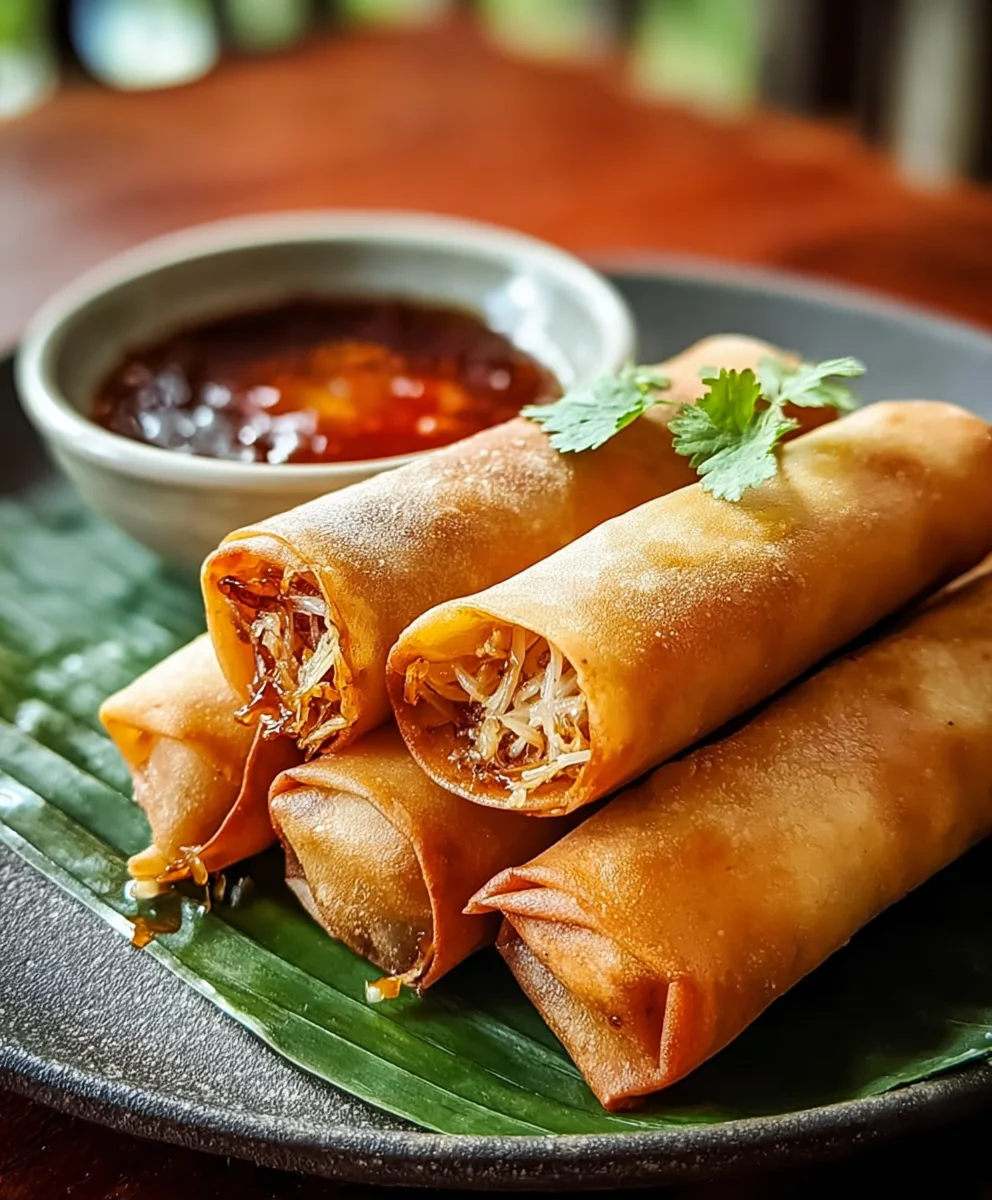
Executing a successful beef pork lumpia recipe demands careful organization, starting with the thorough combination of equal parts ground beef and ground pork with aromatics. Spread roughly two tablespoons of the meat mixture tightly along the lower third of a separated lumpia wrapper, folding the sides inward and rolling firmly into a compact cylinder. Seal the edge securely using a light wash of water or beaten egg white to prevent unraveling in the hot oil. Heat neutral cooking oil in a deep skillet or Dutch oven to 350°F, frying the rolls in small batches for four to five minutes until golden brown and thoroughly cooked inside. Drain the finished rolls on a wire rack rather than paper towels to preserve the crispy exterior crust without trapping steam underneath.
Common Challenges and How to Avoid Them
Preventing soggy or burst rolls involves addressing common kitchen pitfalls such as excessive vegetable moisture and overcrowding the frying pan. Squeezing grated vegetables thoroughly in a clean kitchen towel eliminates trapped water that would otherwise steam the inside of the wrapper during cooking. Additionally, maintaining precise oil temperature control prevents the exterior from burning before the raw meat center cooks completely through. If wrappers tear during rolling, check for dryness and store the unused stack under a damp kitchen towel to maintain optimal elasticity and pliability throughout the assembly process.
💬 Frequently Asked Questions
Explore More Time-Tested Home Recipes on WillyRecipes
Delve deeper into traditional family cooking by exploring the curated collection of comfort food classics available directly on WillyRecipes.com. Discover additional appetizer ideas, side dishes, and hearty main courses designed to elevate everyday home dining into memorable culinary experiences.
Recipe Step Photos & Variations