Introduction
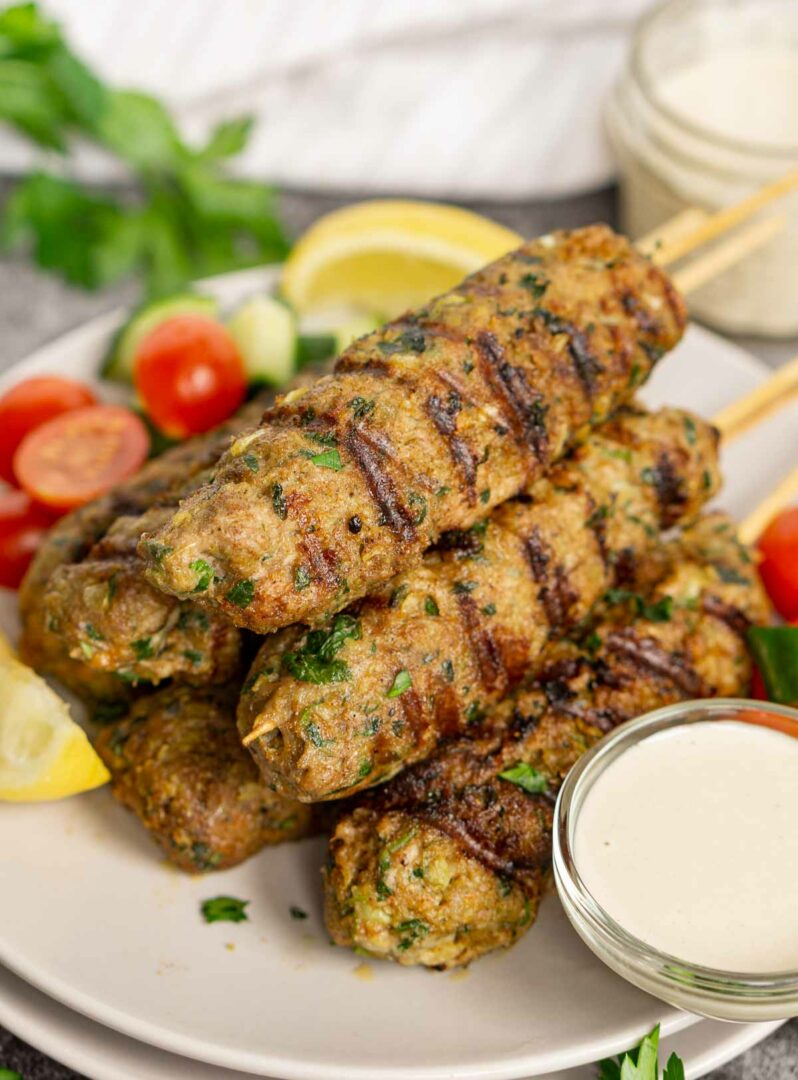
A traditional beef pork kofta recipe combines ground beef and ground pork with warm aromatic spices, binding them into succulent, flavorful meat cylinders shaped around skewers or formed into patties. According to the USDA Food Safety and Inspection Service (FSIS), ground meats must be cooked thoroughly to a safe internal temperature of 160 degrees Fahrenheit to ensure complete pathogen elimination while maintaining optimal moisture. Mastering this heritage comfort food dish requires understanding protein ratios, proper fat content, and regional spice integration. Exploring these foundations aligns directly with techniques found within Beef & Pork Recipes, where old-fashioned culinary traditions meet practical modern kitchen execution.
Culinary Prep Snapshot:
- Core Focus: Blending beef and pork with aromatic spices for traditional kofta.
- Target Scope: Family comfort food dinners and heritage cooking enthusiasts.
- Key Recommendation: Maintain an optimal 80/20 meat-to-fat ratio to prevent dry textures.
Core Principles and Detailed Overview
Creating an exceptional beef pork kofta recipe relies on balancing the robust, beefy flavor profile with the rich tenderness of pork. Ground beef provides structure and deep umami notes, whereas pork introduces essential natural fats that keep the spiced meat mixture exceptionally juicy during high-heat searing or grilling. Traditional preparation demands meticulous kneading of the protein blend with finely grated onions, fresh parsley, garlic, cumin, coriander, and warm cinnamon until the mixture develops a sticky consistency. This mechanical binding process, known in professional kitchens as protein extraction, ensures the meat holds its shape securely on skewers without requiring excessive breadcrumbs or fillers. Proper seasoning execution draws parallels to the foundational wisdom taught across Cooking Methods & Appliances.
Key Specifications and Breakdown
| Cooking Step / Component | Key Culinary Technique | Chef’s Quality & Food Safety Secret |
|---|---|---|
| Meat Selection | Blending 70% lean beef with 30% marbled pork shoulder. | Sufficient fat content prevents shrinkage and dryness on open heat. |
| Protein Binding | Vigorous hand-kneading to develop myosin strands. | Chilling the mixed meat for thirty minutes ensures structural integrity. |
| Thermal Cooking | Direct high-heat grilling or cast-iron pan searing. | Verify internal temperature reaches 160 degrees Fahrenheit via digital probe. |
Ground meats must achieve a minimum internal temperature of 160 degrees Fahrenheit (71 degrees Celsius) verified with a food thermometer inserted into the thickest portion. — USDA Food Safety and Inspection Service (FSIS)
Step-by-Step Practical Application and Guidelines
Executing a successful beef pork kofta recipe begins with thoroughly draining grated onions to eliminate excess moisture that causes meat mixtures to disintegrate. Combine the ground meats, squeezed onion pulp, minced garlic, chopped herbs, and dry spices in a large mixing bowl, working the ingredients firmly by hand for at least five minutes until the texture turns tacky and cohesive. Divide the seasoned mixture into equal portions, lightly oil hands, and mold each portion firmly around flat metal skewers or shape them into uniform oblong logs. Allow the shaped koftas to rest in a refrigerated environment for a minimum of thirty minutes, which firms the fat and sets the proteins before cooking. Cook the prepared koftas over medium-high heat on a preheated cast-iron skillet or outdoor grill, turning frequently until deeply browned on all sides and fully cooked through.
Common Challenges and How to Avoid Them
Preventing koftas from falling apart during cooking requires careful moisture management and adequate protein development through thorough kneading. Excess onion liquid or watery vegetable additions will weaken the meat bond, causing the cylinders to slide off skewers and crumble into the pan. If the meat mixture feels too soft during shaping, incorporating a tablespoon of breadcrumbs or potato starch absorbs surplus liquids without compromising the authentic flavor profile. Overcooking represents another frequent pitfall that leads to dry textures; utilizing an instant-read digital thermometer guarantees removal from heat the exact moment safe internal benchmarks are met.
💬 Frequently Asked Questions
Explore More Time-Tested Home Recipes on WillyRecipes
Continuing a culinary journey through heritage comfort foods brings rewarding flavors and reliable kitchen techniques to everyday family meals. Discover a vast selection of classic dishes, baking staples, and comforting dinners by browsing the complete recipe collections available directly at WillyRecipes.com, designed to elevate traditional home cooking every single day.
Recipe Step Photos & Variations