Introduction
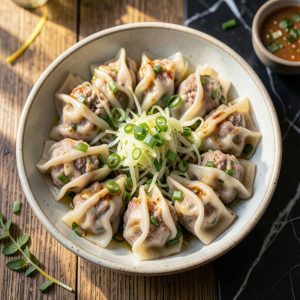
A traditional beef pork dumpling recipe combines ground chuck and pork shoulder with aromatics and wrappers to create savory, old-fashioned comfort food. According to the United States Department of Agriculture (USDA) Food Safety and Inspection Service (FSIS), ground meats must reach an internal temperature of 160°F to ensure food safety while maintaining culinary moisture. Mastering this hybrid meat filling requires careful balancing of lean beef and fatty pork, a technique heavily emphasized in global heritage Beef & Pork Recipes collections. Crafting these dumplings provides a rewarding hands-on kitchen project for family meals, utilizing classic folding methods that lock in rich, flavorful broths.
Culinary Prep Snapshot:
- Core Focus: Combining ground beef and pork with aromatics inside a sealed wheat wrapper.
- Target Scope: Traditional home-style comfort cooking for family dinners and gatherings.
- Key Recommendation: Maintain a strict 70-30 lean-to-fat ratio using pork belly or shoulder to prevent dryness.
Core Principles and Detailed Overview
Creating exceptional dumplings relies on the precise emulsion of contrasting proteins, where the assertive flavor of beef marries the natural succulence of pork. According to Culinary Institute of America (CIA) Standards, incorporating grated ginger, scallions, and soy sauce directly into the raw mince builds complex umami layers before thermal processing. Practitioners of traditional Cooking Methods & Appliances understand that adding cold chicken stock or water to the meat mixture—a technique known as whipping—creates a juicy, soup-like interior upon cooking. Selecting the correct round dumpling wrappers ensures the dough stretches adequately without tearing during the pleating process.
Key Specifications and Breakdown
| Cooking Step / Component | Key Culinary Technique | Chef’s Quality & Food Safety Secret |
|---|---|---|
| Meat Selection | Blending 60% ground pork with 40% ground beef | Utilize pork fat to offset the natural leanness of ground beef. |
| Filling Emulsion | Whipping liquid broth into the meat in one direction | Stirring circularly builds protein strands for a tender, bouncy texture. |
| Thermal Processing | Pan-searing followed by steam-braising (Potstickers) | Add water and cover quickly to steam-cook the raw interior safely. |
Ground meat mixtures must reach a verified internal temperature of 160°F (71°C) during cooking to eliminate foodborne pathogens effectively while retaining optimal tenderness. — USDA Food Safety and Inspection Service (FSIS)
Step-by-Step Practical Application and Guidelines
Executing this recipe demands methodical organization, starting with the preparation of the meat filling and ending with proper sealing techniques. Combine ground beef, ground pork, finely minced scallions, grated ginger, soy sauce, sesame oil, and a splash of cold broth in a large mixing bowl, stirring vigorously until sticky. Place one tablespoon of filling into the center of each wrapper, moisten the outer edge with water, and fold into traditional crescent or pleated pouches, pressing firmly to expel trapped air pockets. Cook the assembled parcels using a hot skillet with oil for crisp bottoms, followed by water addition and lid coverage to steam the contents thoroughly until fully done.
Common Challenges and How to Avoid Them
Tough meat fillings and soggy wrappers represent the most frequent kitchen hurdles encountered when preparing homemade dumplings. Preventing dense fillings requires incorporating liquid gradually into the meat mixture and avoiding over-mixing, which toughens the protein structure. Ensure wrappers do not dry out during the assembly phase by keeping unused skins covered with a damp kitchen towel. For additional inspiration regarding comforting comfort foods, pair these parcels with warm broths found within Soups & Casseroles selections.
💬 Frequently Asked Questions
Explore More Time-Tested Home Recipes on WillyRecipes
Mastering heritage cooking techniques opens the door to countless comforting kitchen creations for any family meal plan. Explore additional old-fashioned favorites, baking guides, and comforting comfort food ideas by visiting the main index at WillyRecipes.com.
Recipe Step Photos & Variations