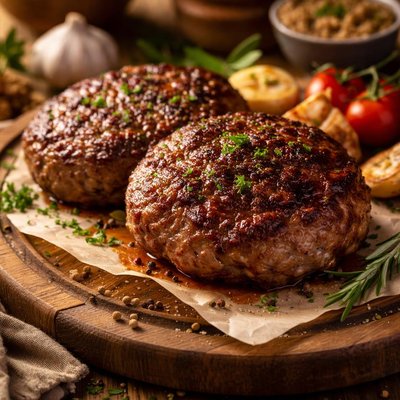
Introduction
A traditional beef pork burger patty recipe combines ground beef and ground pork in a balanced ratio to create exceptionally juicy, flavorful comfort food burgers rooted in classic homestyle culinary traditions. According to the United States Department of Agriculture Food Safety and Inspection Service (USDA FSIS), ground meat mixtures must be cooked thoroughly to a safe internal temperature of 160 degrees Fahrenheit to ensure complete food safety while maintaining optimal tenderness. This combination leverages the deep, savory umami of beef alongside the natural richness and moisture of pork fat, elevating ordinary weeknight dinners into masterclasses of old-fashioned flavor. Culinary practitioners frequently explore diverse meat blending techniques across traditional Beef & Pork Recipes to enhance home-cooked meals.
Culinary Prep Snapshot:
- Core Focus: Optimal blending of ground beef and pork for superior moisture and texture.
- Target Scope: Family meal planners and traditional comfort food enthusiasts.
- Key Recommendation: Maintain cold meat temperatures during handling to preserve fat suspension and texture.
Core Principles and Detailed Overview
Executing a proper beef pork burger patty recipe requires strict adherence to meat-to-fat ratios, minimal mechanical agitation, and precise temperature control. Traditional home-style cooking favors an 80/20 beef-to-pork balance or a 70/30 split, where the added pork fat compensates for the leanness of standard beef chuck while introducing a tender crumb structure. Overworking the ground meat proteins develops tough, sausage-like textures instead of a loose, tender crumb. Proper seasoning involves incorporating kosher salt, cracked black pepper, and minimal aromatics like finely minced onion or garlic directly into the cold mixture before gentle shaping. Kitchen operations also benefit from mastering advanced Cooking Methods & Appliances to achieve optimal surface searing without overcooking the interior.
Key Specifications and Breakdown
| Cooking Step / Component | Key Culinary Technique | Chef’s Quality & Food Safety Secret |
|---|---|---|
| Meat Selection & Ratio | Blending 70% ground chuck with 30% ground pork | Keep all meats refrigerated at or below 40°F until the exact moment of mixing. |
| Patty Formation | Gentle hand-shaping with a central thumb depression | Pressing a dimple into the center prevents the patty from doming during high-heat cooking. |
| Thermal Cooking | Cast-iron skillet sear at medium-high heat | Verify doneness using a digital meat thermometer inserted horizontally into the center. |
Cook all ground beef and pork mixtures to a minimum internal temperature of 160°F (71°C) as verified with a food thermometer — USDA Food Safety and Inspection Service (FSIS)
Step-by-Step Practical Application and Guidelines
Implementing this beef pork burger patty recipe begins by gathering chilled ingredients and working in a cool kitchen environment to prevent fat rendering prematurely on the hands. Combine the ground beef and ground pork in a large stainless steel bowl, sprinkling dry seasonings evenly across the surface rather than clumping them in one spot. Gently fold the meats together using fingertips, treating the mixture with utmost delicacy to avoid compacting the protein strands. Divide the mixture into equal portions, lightly form loose spheres, and press them outward into patties that measure slightly wider than the intended burger buns to account for natural shrinkage. Sear the patties in a preheated cast-iron skillet with a thin film of high-smoke-point oil, pressing down only once during the initial thirty seconds to establish a deep, flavorful crust.
Common Challenges and How to Avoid Them
Preventing dry, crumbly, or misshapen burgers relies on understanding meat science and thermal management during the cooking process. A frequent pitfall involves pressing down repeatedly on the patties with a spatula while they cook, which forces precious juices out of the meat and onto the hot pan surface, resulting in dryness. Another common issue is shrinking or bulging patties, which occurs when meat is overworked or formed into thick, uniform disks without a central indentation. Maintaining cold ingredients, handling the raw mixture sparingly, and allowing the cooked patties to rest for five minutes before serving ensures that natural moisture redistributes evenly throughout the meat fibers.
💬 Frequently Asked Questions
Explore More Time-Tested Home Recipes on WillyRecipes
Mastering traditional comfort food classics opens the door to countless rewarding culinary adventures in home kitchens everywhere. Enthusiasts are encouraged to browse the comprehensive collection of reliable dishes, old-fashioned baking guides, and time-tested culinary techniques available at WillyRecipes.com for endless daily meal inspiration.
Recipe Step Photos & Variations