Introduction
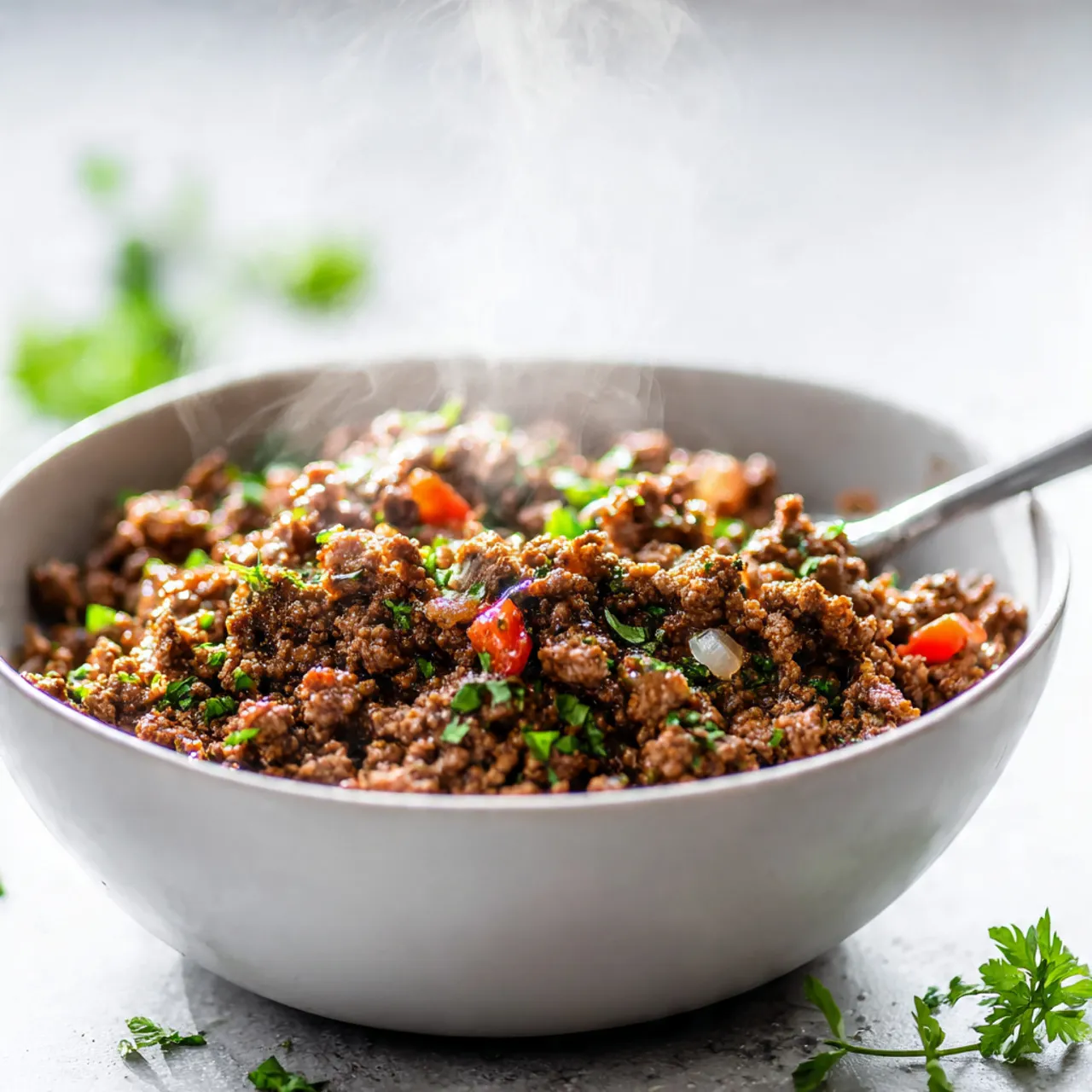
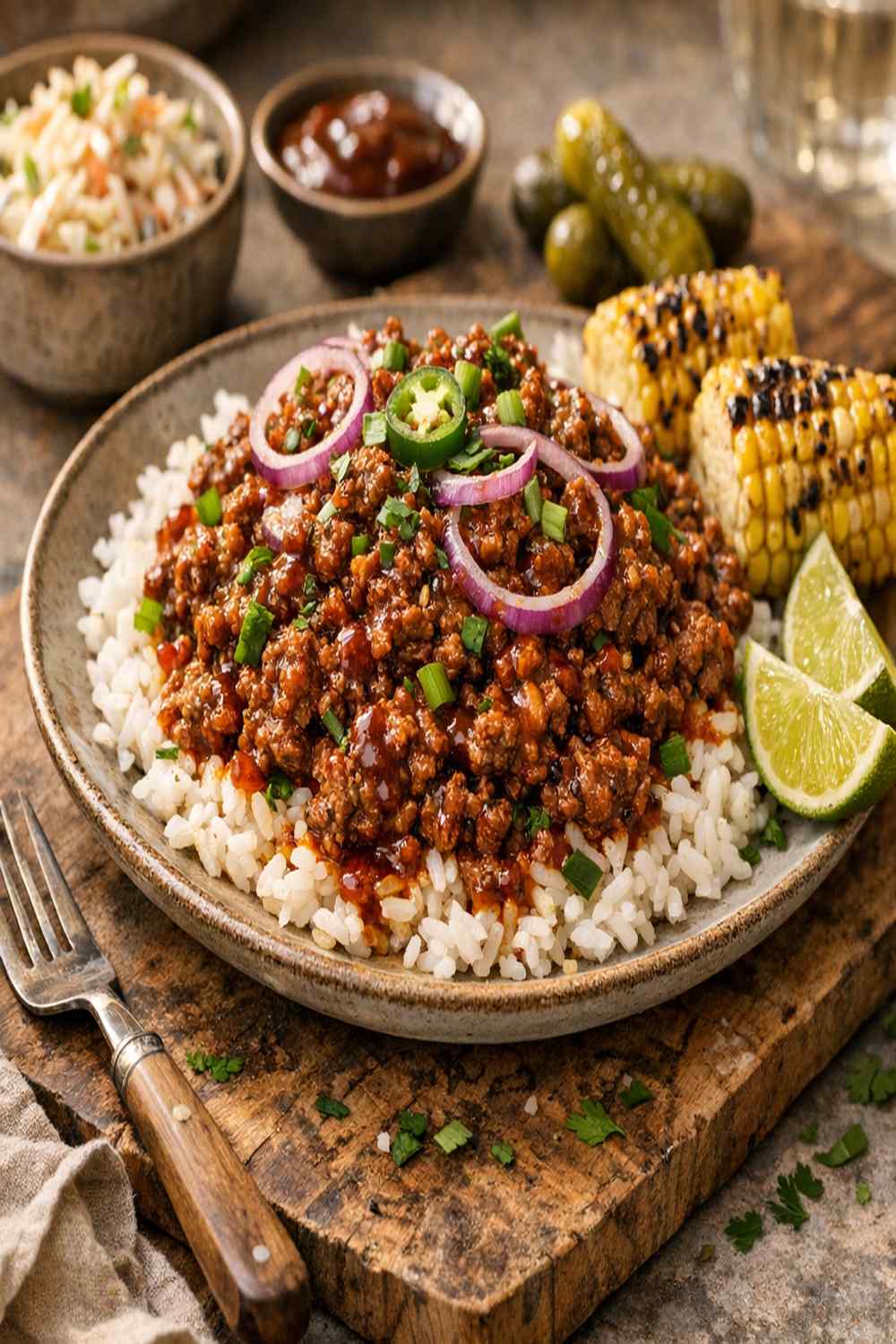
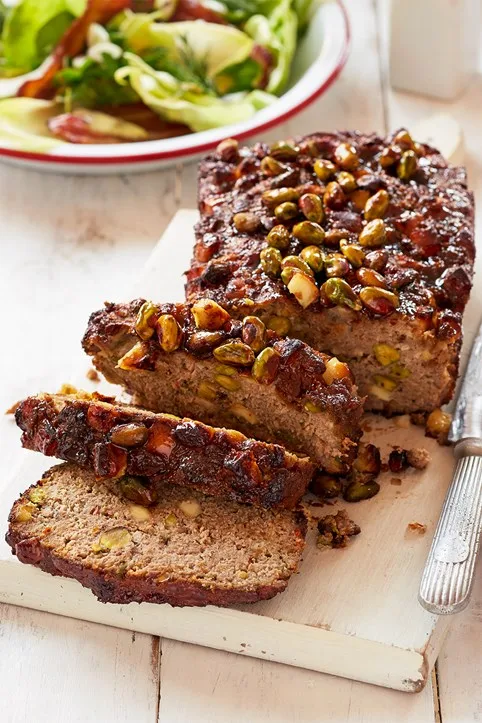
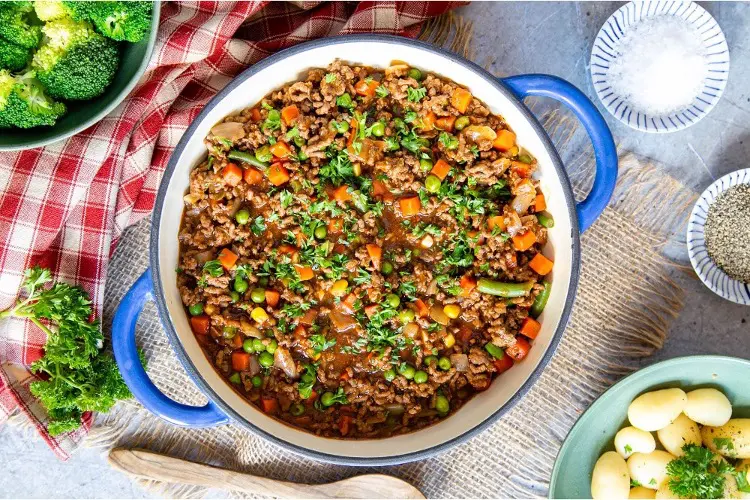
Beef pork mince recipes combine ground beef and ground pork to create traditional, structurally balanced, and exceptionally flavorful foundations for comfort food classics like meatloaf, meatballs, and savory ragùs. According to the USDA Food Safety and Inspection Service (FSIS), all ground meat mixtures must be cooked safely to an internal temperature of 160°F to guarantee food safety while retaining optimal culinary moisture. Blending beef and pork bridges the lean, robust qualities of beef with the tender, rich profile of pork, elevating everyday home cooking. Enthusiasts exploring traditional kitchen crafts often pair these techniques with insights found across Cooking Methods & Appliances for precise thermal regulation.
Culinary Prep Snapshot:
- Core Focus: Blending ground beef and pork for superior moisture, texture, and flavor depth in comfort dishes.
- Target Scope: Traditional home-style cooking for family dinners, casseroles, and classic meat preparations.
- Key Recommendation: Maintain an optimal 70/30 or 80/20 meat-to-fat ratio and handle the mixture gently to prevent density.
Core Principles and Detailed Overview
Beef pork mince recipes achieve superior culinary results because the higher natural fat content of pork prevents lean beef from drying out during extended cooking periods. Mastering these traditional recipes requires understanding fat ratios, proper seasoning integration, and gentle mixing techniques that preserve the tender crumb of meatballs or meatloaves. Culinary professionals rely on these blended proteins to build deep umami foundations that hold up exceptionally well in slow-simmered Soups & Casseroles without breaking down or turning mushy.
Key Specifications and Breakdown
| Cooking Step / Component | Key Culinary Technique | Chef’s Quality & Food Safety Secret |
|---|---|---|
| Meat Selection | Blending 70% lean beef with 30% pork | Ensures natural self-basting and prevents dry texture during baking. |
| Binding & Seasoning | Gentle folding with panade and aromatics | Over-kneading develops tough proteins; mix only until just combined. |
| Thermal Processing | Baking or simmering to exact internal target | Verify doneness with a digital thermometer reaching 160°F reliably. |
Ground meat mixtures, including beef and pork blends, must be cooked to a safe minimum internal temperature of 160°F (71.1°C) as measured with a food thermometer. — USDA Food Safety and Inspection Service (FSIS)
Step-by-Step Practical Application and Guidelines
Successful execution of beef pork mince recipes begins with keeping the meat thoroughly chilled before combining it with binders like breadcrumbs soaked in milk. Thoroughly incorporate salt, herbs, and aromatics into the binding agent first to ensure even distribution without overworking the meat proteins. Form the mixture lightly into patties, balls, or loaves, then cook using moist or dry heat methods suited to the dish. For hearty weeknight dinners, these savory creations pair wonderfully with selections from Pasta & Rice Recipes.
Common Challenges and How to Avoid Them
Dry, tough, or crumbly textures in beef pork mince recipes usually stem from excessive mixing or using meat cuts that contain insufficient fat. Prevent toughness by handling the raw meat as little as possible and incorporating a bread-and-milk panade to lock in internal juices during the cooking process. Allowing the shaped mixture to rest in the refrigerator for thirty minutes prior to cooking also helps firm the structure, ensuring the dishes hold their shape perfectly during simmering or baking.
💬 Frequently Asked Questions
Explore More Time-Tested Home Recipes on WillyRecipes
Mastering traditional comfort dishes opens the door to a wide world of time-tested culinary traditions designed for home kitchens everywhere. Enthusiasts can discover additional inspiration, detailed cooking techniques, and comforting meal ideas by browsing the complete collection at WillyRecipes.com.
Recipe Step Photos & Variations