Introduction
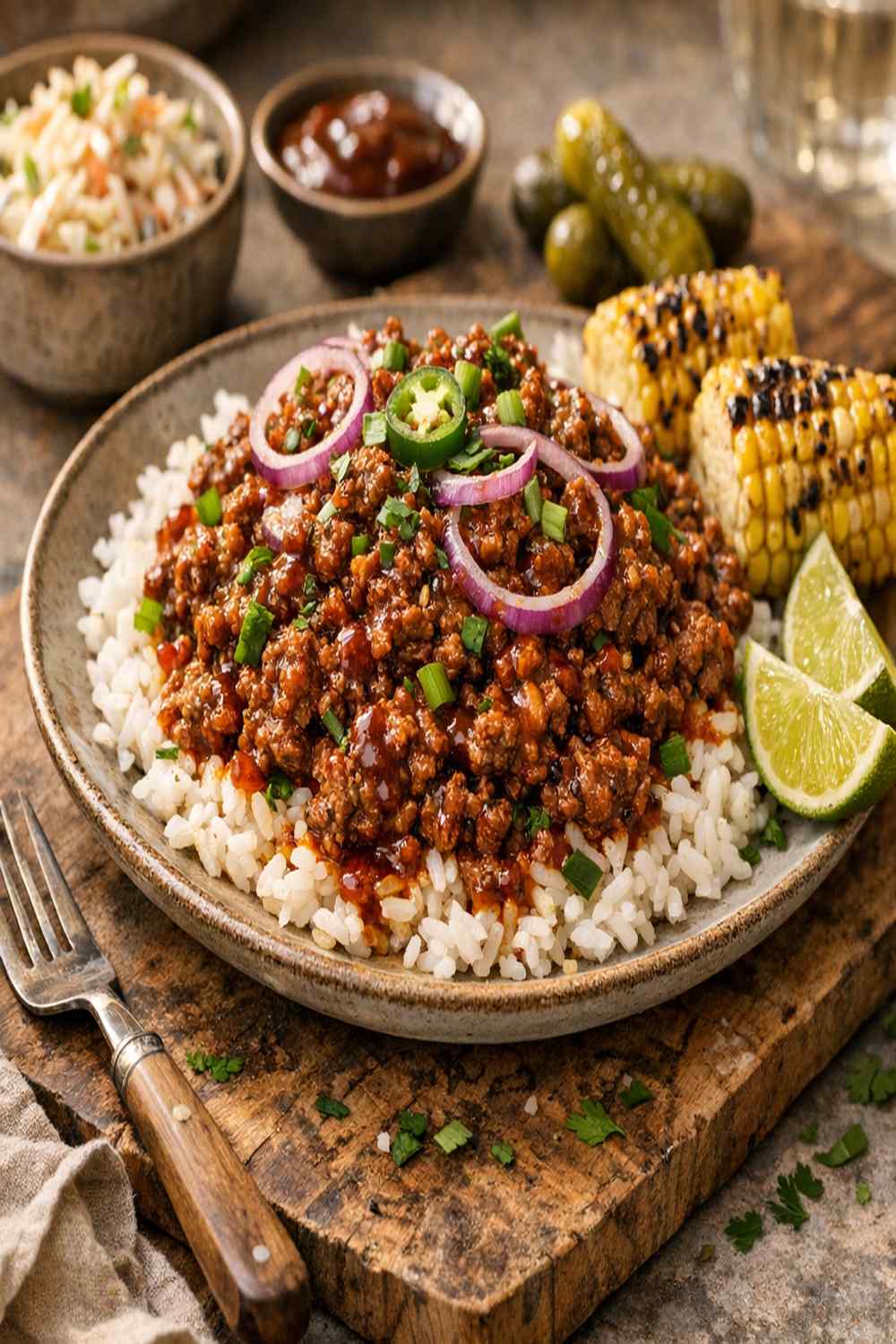
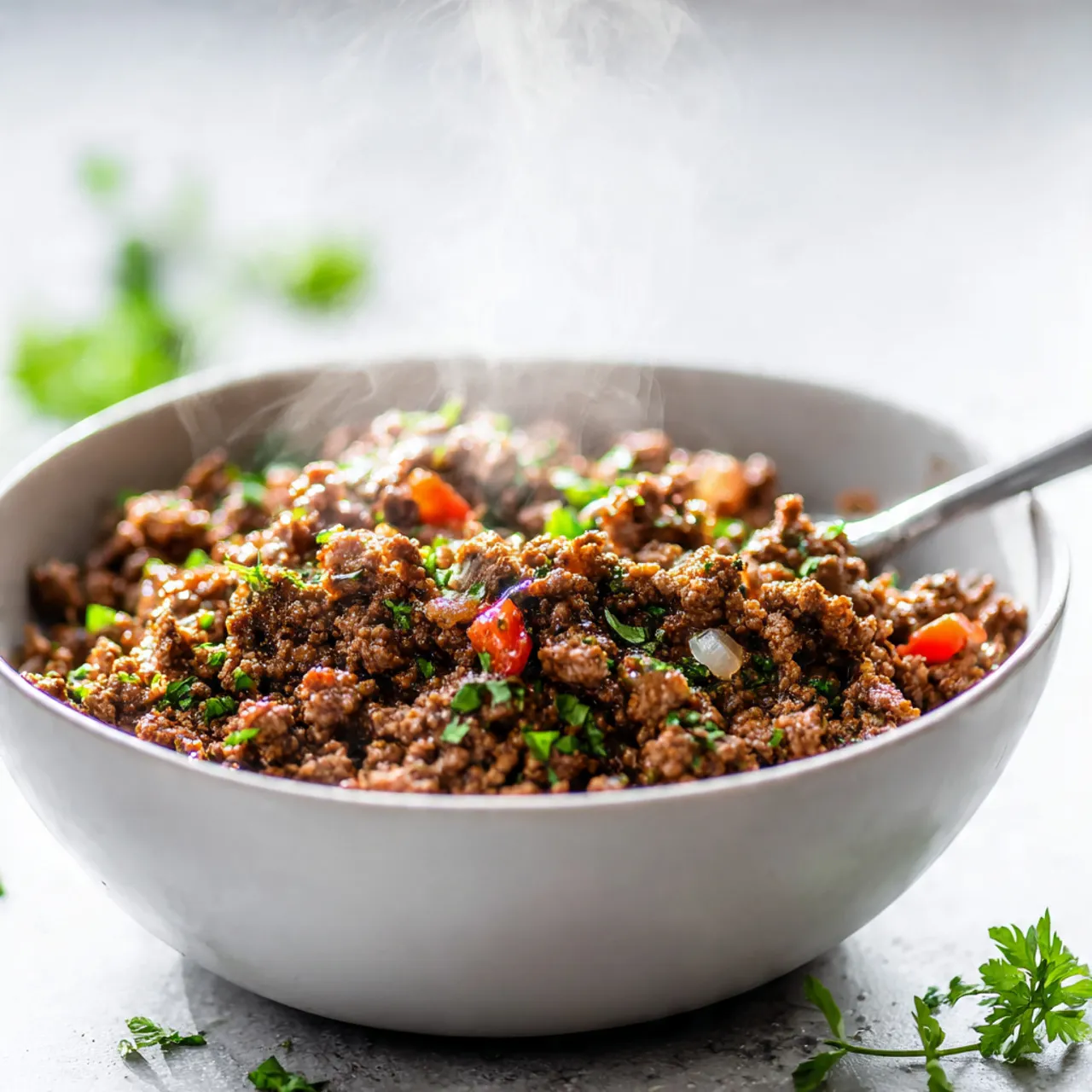
Beef pork mince recipe ideas center on the harmonious blending of beef and pork grounds to create deeply flavorful, structurally moist traditional comfort dishes. According to the United States Department of Agriculture (USDA) Food Safety and Inspection Service (FSIS), all ground meats must be cooked to a safe minimum internal temperature of 160°F to ensure pathogen destruction while maintaining optimal culinary results. Combining these two distinct proteins leverages the robust, earthy profile of beef alongside the succulent, sweet richness of pork, establishing an ideal fat-to-lean ratio for classic heritage cooking methods. Culinary explorations in traditional home kitchens often utilize this dual-protein foundation within time-tested Beef & Pork Recipes to achieve superior texture and moisture retention.
Culinary Prep Snapshot:
- Core Focus: Blending beef and pork mince for maximum moisture, rich flavor depth, and structural integrity in traditional dishes.
- Target Scope: Family meal planning, heritage comfort food cooking, and classic slow-simmered culinary applications.
- Key Recommendation: Maintain an ideal 70:30 or 80:20 meat-to-fat ratio by combining chuck with pork shoulder for superior culinary performance.
Core Principles and Detailed Overview
Beef pork mince recipe ideas achieve their legendary status through the precise balancing of fat content, seasoning distribution, and moisture management. Blending beef, which offers a robust and meaty backbone, with pork, which contributes necessary intramuscular fat and natural sweetness, prevents the finished dish from drying out during extended cooking cycles. Traditional comfort recipes such as rustic meatloaves, heritage meatballs, and slow-simmered ragùs rely on this specific protein synergy. Culinary execution benefits immensely from proper handling techniques detailed within professional Cooking Methods & Appliances guides, ensuring even browning and appropriate rendering of fats.
Key Specifications and Breakdown
| Cooking Step / Component | Key Culinary Technique | Chef’s Quality & Food Safety Secret |
|---|---|---|
| Protein Selection | Blending 70% lean beef chuck with 30% pork shoulder. | Optimal fat distribution prevents dryness without requiring excessive chemical binders. |
| Initial Searing | High-heat cast-iron browning to build deep umami fond. | Never overcrowd the pan; allow meat to form a crust before aggressive stirring. |
| Thermal Completion | Gentle simmering or baking to a verified 160°F internal reading. | Use an instant-read digital thermometer inserted into the thickest center portion. |
Ground meat safety mandates cooking mixed beef and pork mince to an internal temperature of 160°F (71°C) verified with a food thermometer — USDA Food Safety and Inspection Service (FSIS)
Step-by-Step Practical Application and Guidelines
Beef pork mince recipe ideas require methodical preparation, beginning with chilled ingredients to keep the fat solid until cooking. Combining the ground meats gently with salt, aromatics, and panade (bread soaked in milk) creates a tender matrix that retains natural juices. Brown the mixture thoroughly over medium-high heat to develop deep Maillard reaction flavors before introducing liquids, root vegetables, or tomatoes. Incorporating these comforting, robust elements also pairs wonderfully with hearty options found across traditional Pasta & Rice Recipes for complete, satisfying family dining experiences.
Common Challenges and How to Avoid Them
Beef pork mince recipe ideas frequently fail when the meat mixture is overworked, resulting in a dense, rubbery texture instead of a tender bite. Prevent this issue by mixing ingredients gently using fingertips or a paddle attachment just until incorporated, keeping all components as cold as possible throughout the preparation phase. Excessive shrinkage and grease pooling indicate excessive fat rendering caused by excessively high initial oven temperatures or inferior meat cuts lacking structural protein integrity. Monitoring internal temperatures carefully guarantees food safety without sacrificing the succulent moisture inherent to traditional dual-protein cooking.
💬 Frequently Asked Questions
Explore More Time-Tested Home Recipes on WillyRecipes
Mastering traditional comfort dishes opens the door to countless heritage cooking styles, family favorites, and time-tested culinary techniques. Expand your home recipe collection by discovering additional inspiration, foolproof guides, and classic dishes across the entire library hosted at WillyRecipes.com.
Recipe Step Photos & Variations