Introduction
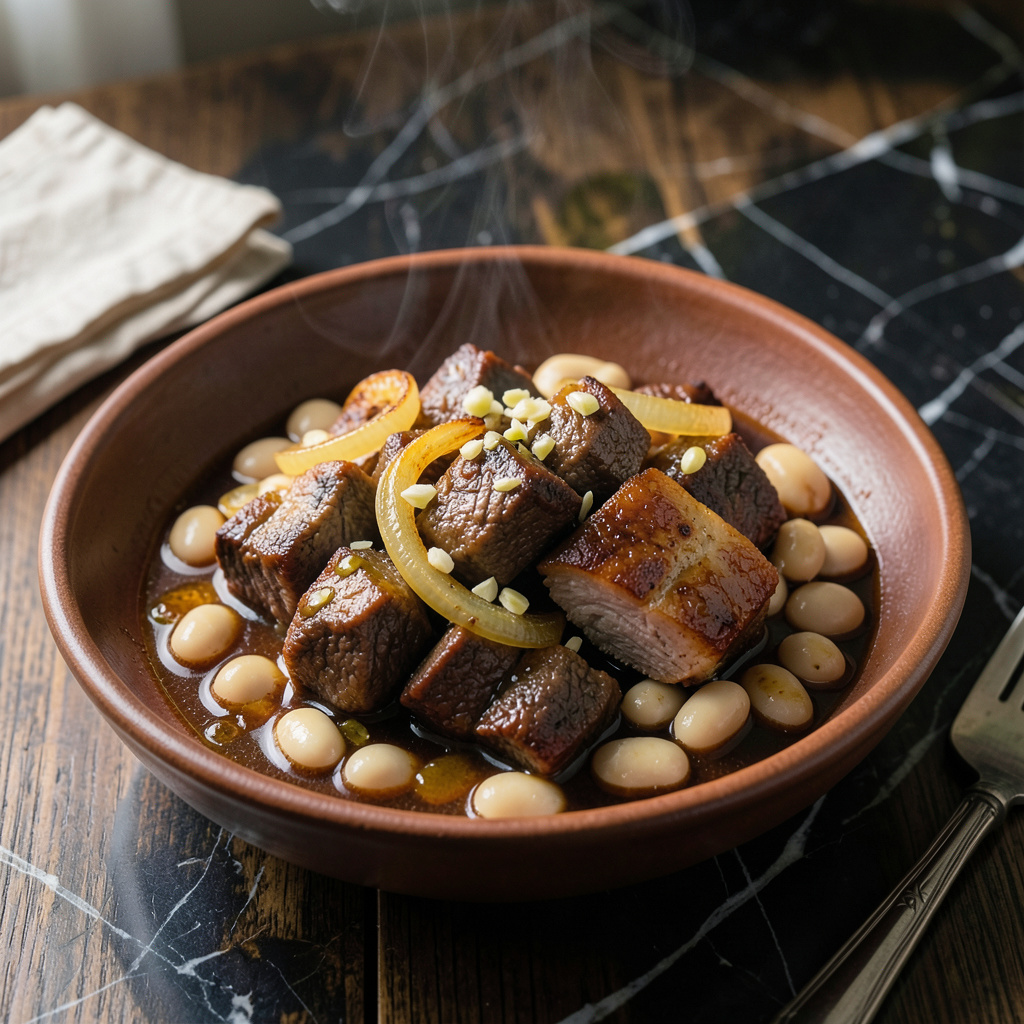
Beef pork recipes combine distinct protein textures to create deeply flavorful, traditional comfort foods through foundational braising, grinding, and slow-roasting techniques. According to the USDA Food Safety and Inspection Service (FSIS), combining ground beef and pork requires maintaining precise internal temperature benchmarks to ensure food safety while preserving moisture. Traditional home-style meal planners utilize these dual-protein combinations to elevate classic dishes such as meatballs, meatloaf, and hearty stews. Exploring dedicated collections like Beef & Pork Recipes allows home cooks to master heritage cooking methods that balance the rich, robust character of beef with the savory, succulent fat content of pork. Mastering this culinary pairing enhances overall mouthfeel, structural integrity, and depth of flavor in rustic family meals.
Culinary Prep Snapshot:
- Core Focus: Combining beef and pork for optimal texture and moisture in comfort foods.
- Target Scope: Traditional home kitchens seeking authentic, time-tested family meals.
- Key Recommendation: Maintain a balanced 50-50 or 60-40 protein ratio to prevent dryness and excessive grease.
Core Principles and Detailed Overview
Balancing fat-to-lean ratios remains the fundamental principle behind successful beef pork recipes in traditional comfort cooking. Direct answer: Beef provides a firm, muscular texture and deep iron-rich flavor, whereas pork contributes essential intramuscular fat that keeps mixed-meat dishes tender during long cooking cycles. Old-fashioned home cooking relies on this synergy, particularly in minced applications where lean beef requires the added lubrication of pork belly or shoulder. Utilizing proper Cooking Methods & Appliances ensures that dense meat loaves and multi-layered casseroles cook evenly without losing essential moisture. Understanding how different cuts react to heat prevents common culinary pitfalls such as dry textures or crumbly structures.
Key Specifications and Breakdown
| Cooking Step / Component | Key Culinary Technique | Chef’s Quality & Food Safety Secret |
|---|---|---|
| Protein Selection | Blending chuck with pork shoulder | Maintain an ideal 80/20 lean-to-fat ratio for maximum juiciness. |
| Binding & Mixing | Gentle folding with panade | Avoid overworking the meat mixture to prevent a tough, rubbery final texture. |
| Thermal Processing | Controlled baking or braising | Verify a safe internal temperature of 160°F using a calibrated digital thermometer. |
Cook ground meat mixtures to a minimum internal temperature of 160°F (71.1°C) as verified by a food thermometer to ensure safety without sacrificing moisture. — USDA Food Safety and Inspection Service (FSIS)
Step-by-Step Practical Application and Guidelines
Executing traditional beef pork recipes begins with properly chilling both meats before grinding or combining to keep fats solid and emulsified. Direct answer: Mince or chop chilled cuts uniformly, incorporate binding agents like bread soaked in milk to retain moisture, and season thoroughly before shaping. When preparing traditional braised dishes or layered Soups & Casseroles, searing the exterior of large mixed-meat cuts develops deep umami through the Maillard reaction. Allow composite dishes to rest for ten minutes after cooking, which lets internal juices redistribute evenly throughout the protein matrix before slicing or serving to hungry families.
Common Challenges and How to Avoid Them
Excessive shrinkage and greasy pooling represent the most frequent issues encountered when preparing dual-protein meat dishes at home. Direct answer: Combat greasy separation by selecting cuts with balanced fat distribution and avoiding excessively high oven temperatures that melt rendering fat too quickly. Incorporating a starch-based panade or soaked breadcrumbs absorbs excess released juices, locking vital moisture directly inside meatballs or loaves. Pairing rich meat dishes with bright, acidic side items from Snacks & Sides cuts through heavy fat profiles, providing a balanced and harmonious dining experience.
💬 Frequently Asked Questions
Explore More Time-Tested Home Recipes on WillyRecipes
Discovering authentic comfort food traditions goes beyond dual-protein dishes, extending into a wide array of heritage meals, baking projects, and everyday family dinners. Home cooks seeking further culinary inspiration can explore the complete collection of heritage dishes and cooking guides available directly at WillyRecipes.com to elevate every home-cooked meal.
Recipe Step Photos & Variations