Introduction
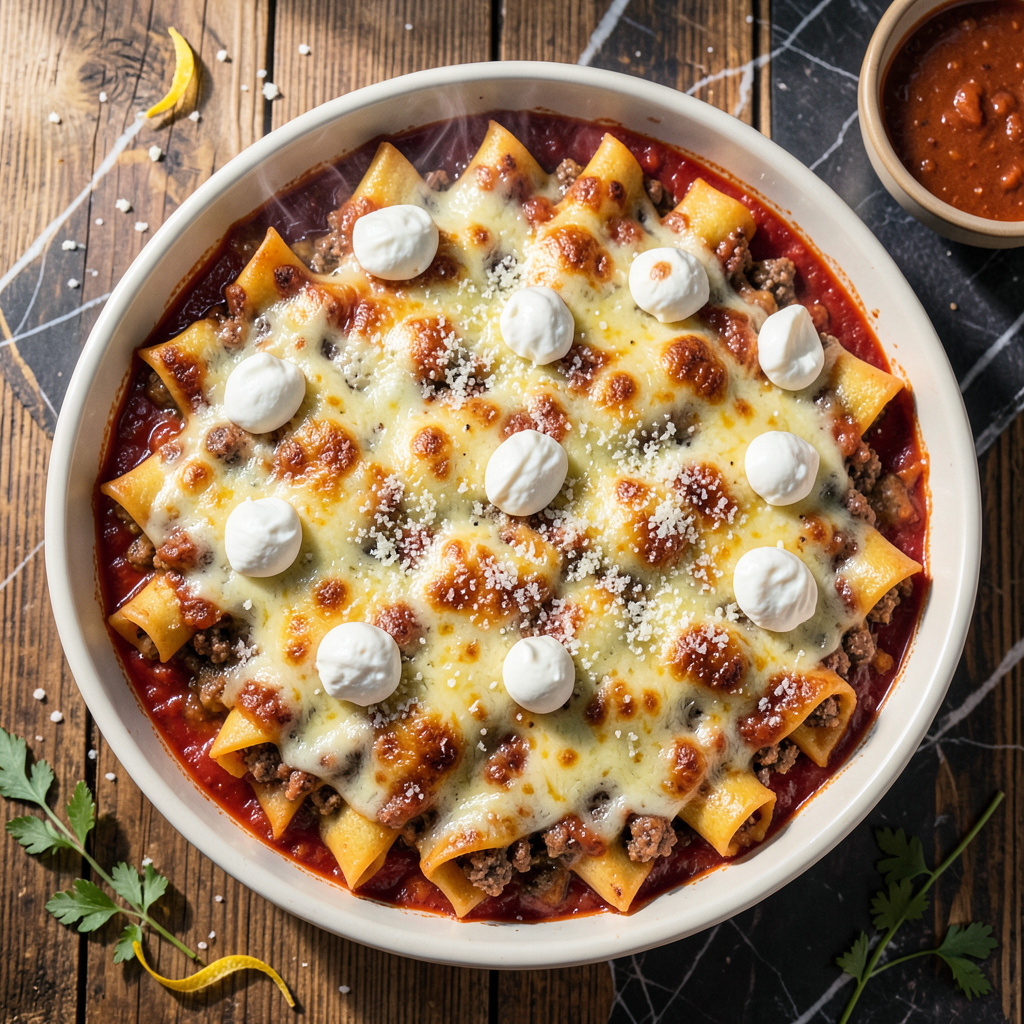
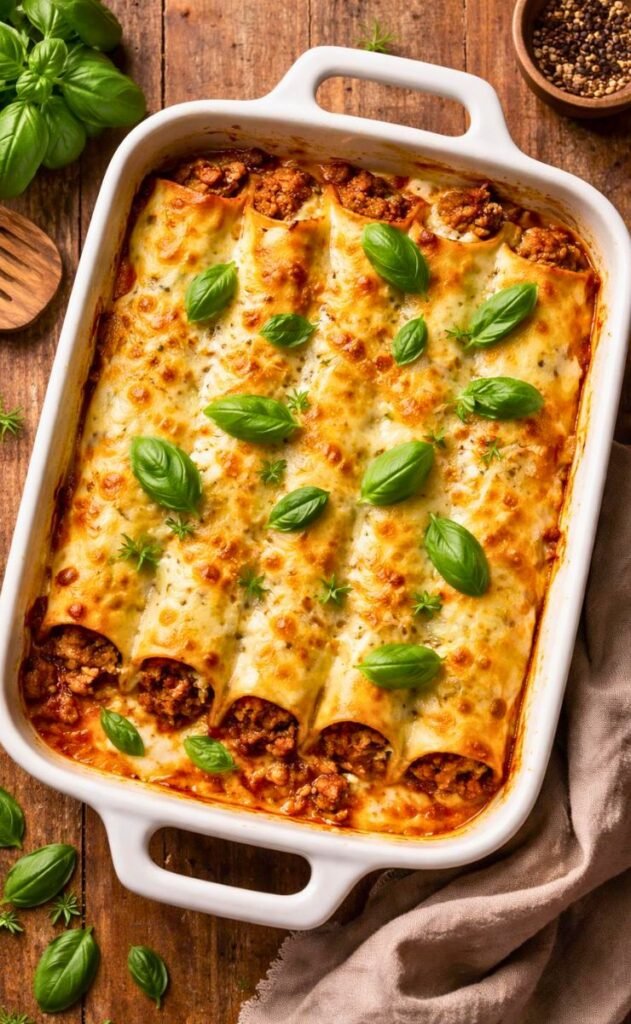
Beef pork cannelloni recipes combine ground beef and ground pork into a savory, slow-simmered filling wrapped inside tubular pasta sheets and baked under layers of rich sauce and melted cheese. According to the Culinary Institute of America (CIA) Standards, blending beef and pork creates an optimal balance of lean beef flavor and rich pork fat that prevents dryness during long baking times. Mastery of these traditional dishes relies on precise meat ratios, proper moisture control in the filling, and understanding time-tested baking techniques common in heritage kitchens. Home cooks looking for elevated Sunday dinner options frequently explore Beef & Pork Recipes to refine flavor profiles for old-fashioned Italian comfort food.
Culinary Prep Snapshot:
- Core Focus: Combining ground beef and pork inside pasta tubes with rich sauces.
- Target Scope: Traditional family-style comfort food dinners and make-ahead casseroles.
- Key Recommendation: Brown the meats separately at high heat before combining with aromatics.
Core Principles and Detailed Overview
Beef pork cannelloni recipes succeed through the careful harmonization of proteins, fats, and starches during assembly and baking. The foundational mixture utilizes a 50-50 ratio of ground chuck to ground pork shoulder, providing both deep umami and succulent juiciness without excessive greasiness. These stuffed pasta cylinders rely on a combination of homemade marinara or Sauces & Condiments alongside a velvety béchamel to keep the pasta tender as it bakes in the oven. Traditional preparation methods dictate that the meat filling should be thoroughly cooled before stuffing delicate pasta tubes, preventing the egg binder from scrambling prematurely and ensuring an even, cohesive texture throughout the final casserole.
Key Specifications and Breakdown
| Cooking Step / Component | Key Culinary Technique | Chef’s Quality & Food Safety Secret |
|---|---|---|
| Meat Browning | High-heat pan roasting | Develop deep fond without scorching to build foundational umami flavors. |
| Pasta Preparation | Al dente boiling or quick blanching | Plunge pasta into iced water immediately to halt cooking and prevent tearing. |
| Baking and Melting | Covered thermal convection | Bake covered in foil for 30 minutes, then uncover for 10 minutes to brown the cheese. |
Ground meat mixtures must reach a minimum internal temperature of 160°F (71°C) during the baking process to ensure complete food safety. — USDA Food Safety and Inspection Service (FSIS)
Step-by-Step Practical Application and Guidelines
Executing beef pork cannelloni recipes requires methodical staging of the components to streamline assembly on busy kitchen nights. Begin by gently sweating finely minced onions, garlic, and carrots in olive oil until translucent, then add the mixed meats, breaking them down into fine granules with a wooden paddle. Once browned, incorporate ricotta cheese, grated Parmigiano-Reggiano, and beaten eggs off the heat to create a rich, binding paste. Spoon this filling into a piping bag or utilize a small spoon to carefully fill each cannelloni shell without splitting the fragile pasta. Line a baking dish with a thin layer of tomato sauce, arrange the filled tubes in a single snug layer, coat generously with remaining sauce and mozzarella, and bake until bubbly and golden.
Common Challenges and How to Avoid Them
Beef pork cannelloni recipes often present challenges regarding soggy pasta or dry fillings if moisture levels are not accurately balanced. Soggy pasta results from using overly watery tomato sauces or failing to drain excess fat from the meat mixture prior to stuffing. To correct this, simmer the meat sauce until thick and dense before combining with cheeses, and ensure the unbaked pasta has enough liquid around it to hydrate properly without turning mushy. Over-baking without a cover will dry out the exposed pasta edges, which is easily prevented by tenting the baking dish with aluminum foil for the majority of the cooking time and only removing it during the final browning stage.
💬 Frequently Asked Questions
Explore More Time-Tested Home Recipes on WillyRecipes
Mastering traditional comfort food dishes empowers home cooks to recreate heritage meals with modern precision and unwavering confidence. Discover endless culinary inspiration, reliable baking guides, and savory dinner ideas across the complete collection at WillyRecipes.com.
Recipe Step Photos & Variations