Introduction
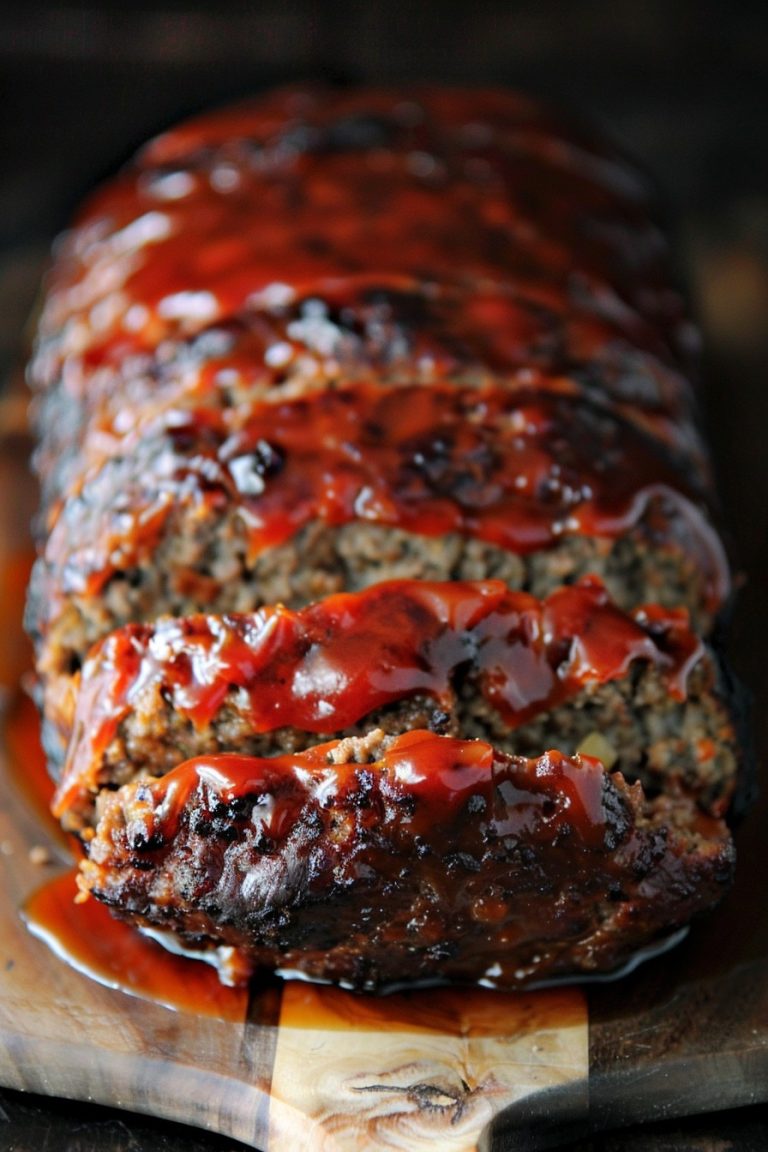
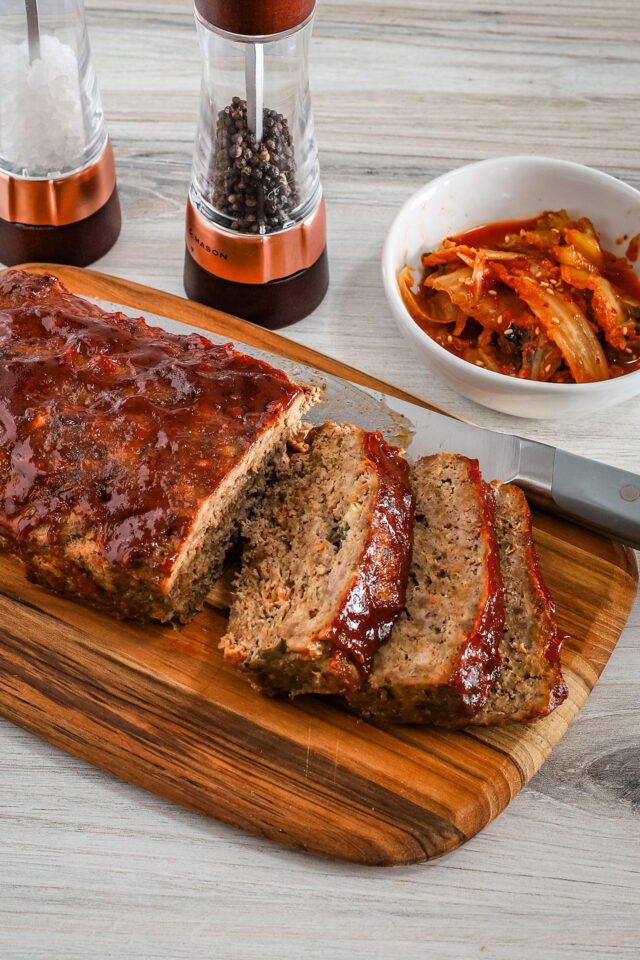
Beef pork meatloaf recipes combine lean ground beef with succulent ground pork to create a traditional, moisture-rich family comfort food that outshines single-meat variations. According to the United States Department of Agriculture (USDA) Food Safety and Inspection Service (FSIS), ground meat dishes must reach a safe internal temperature of 160°F to eliminate harmful pathogens while preserving optimal texture. Utilizing this dual-protein approach balances the robust, savory character of beef with the natural fat distribution and sweetness of pork, preventing the dry texture frequently associated with standard weeknight preparations. Exploring reliable culinary techniques within Beef & Pork Recipes ensures consistently superior results for home meal planners.
Culinary Prep Snapshot:
- Core Focus: Blending beef and pork ratios for ultimate moisture, structural integrity, and deep flavor complexity.
- Target Scope: Traditional home-style comfort food preparation suited for family dinners and batch cooking.
- Key Recommendation: Maintain a 60/40 or 50/50 beef-to-pork ratio and bind gently to avoid a dense, rubbery texture.
Core Principles and Detailed Overview
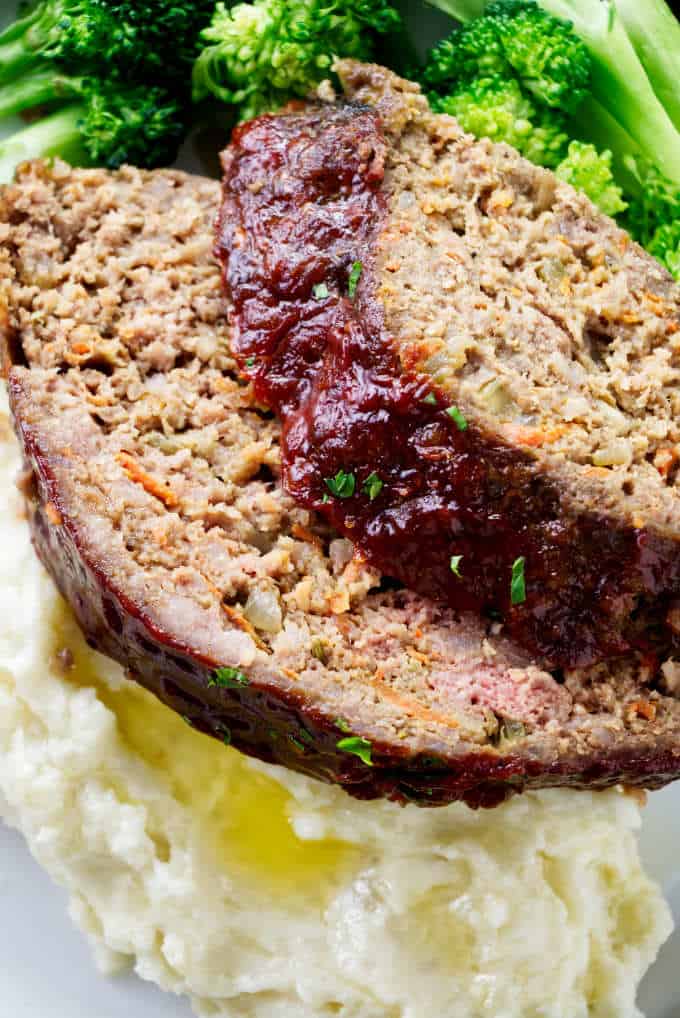
Beef pork meatloaf recipes succeed through the deliberate synergy of lean muscle proteins and rendered intramuscular fats. Lean ground beef provides structural firmness and a deep, savory foundation, whereas ground pork supplies essential moisture, lipid richness, and a naturally tender mouthfeel. Traditional old-fashioned methods rely on panade—a paste of breadcrumbs soaked in milk or broth—which swells during baking and traps escaping steam inside the loaf structure. Proper seasoning, aromatic vegetable integration, and gentle handling form the bedrock of classic comfort food execution, ensuring slices hold together cleanly without requiring excessive binding agents.
Key Specifications and Breakdown
| Cooking Step / Component | Key Culinary Technique | Chef’s Quality & Food Safety Secret |
|---|---|---|
| Meat Selection & Ratio | Blending 80/20 ground chuck with high-fat ground pork | Maintaining adequate fat content prevents dryness during extended baking times. |
| Panade Incorporation | Soaking plain breadcrumbs in milk before mixing | Stirring the panade into aromatics before adding meat prevents over-kneading. |
| Thermal Verification | Baking at 350°F until an instant-read thermometer hits 160°F | Resting the loaf for 15 minutes allows juices to redistribute before slicing. |
Cook ground meat mixtures to a minimum internal temperature of 160°F (71°C) verified with a food thermometer inserted into the thickest part of the dish. — USDA Food Safety and Inspection Service (FSIS)
Step-by-Step Practical Application and Guidelines
Crafting exceptional beef pork meatloaf recipes begins with thoroughly sautéing finely diced onions and garlic in butter to remove raw moisture and concentrate flavors before cooling them completely. Gently combine the cooled aromatics, eggs, Worcestershire sauce, herbs, and milk-soaked breadcrumbs in a large bowl before adding the chilled beef and pork. Fold the meats into the binder using light hand motions until just incorporated, strictly avoiding tight kneading or compressing which produces a heavy, sausage-like density. Shape the mixture into a free-form oval loaf on a foil-lined rimmed baking sheet—allowing fat to render away from the base—and brush the exterior with a classic tomato glaze during the final fifteen minutes of baking.
Common Challenges and How to Avoid Them
Cracking, crumbling, and grease pooling represent the primary structural failures encountered when executing beef pork meatloaf recipes. Excessive fat pooling occurs when using overly high-fat secondary grinds or failing to create a free-form loaf that allows excess rendered lipids to drain away during the cooking cycle. Crumbly slices typically stem from insufficient binding agents or over-mixing that prevents the panade from retaining moisture evenly throughout the protein matrix. Allowing the cooked loaf to rest undisturbed for at least fifteen minutes prior to carving solidifies internal starches and gelatinized proteins, guaranteeing immaculate, intact slices upon serving alongside dishes found in Snacks & Sides.
💬 Frequently Asked Questions
Explore More Time-Tested Home Recipes on WillyRecipes
Mastering classic comfort foods opens the door to countless traditional dinners, hearty casseroles, and wholesome weekend meals for every household. Discover additional culinary inspiration, expert kitchen methods, and family-pleasing dishes by browsing the complete recipe collection available at WillyRecipes.com.
Recipe Step Photos & Variations