Introduction
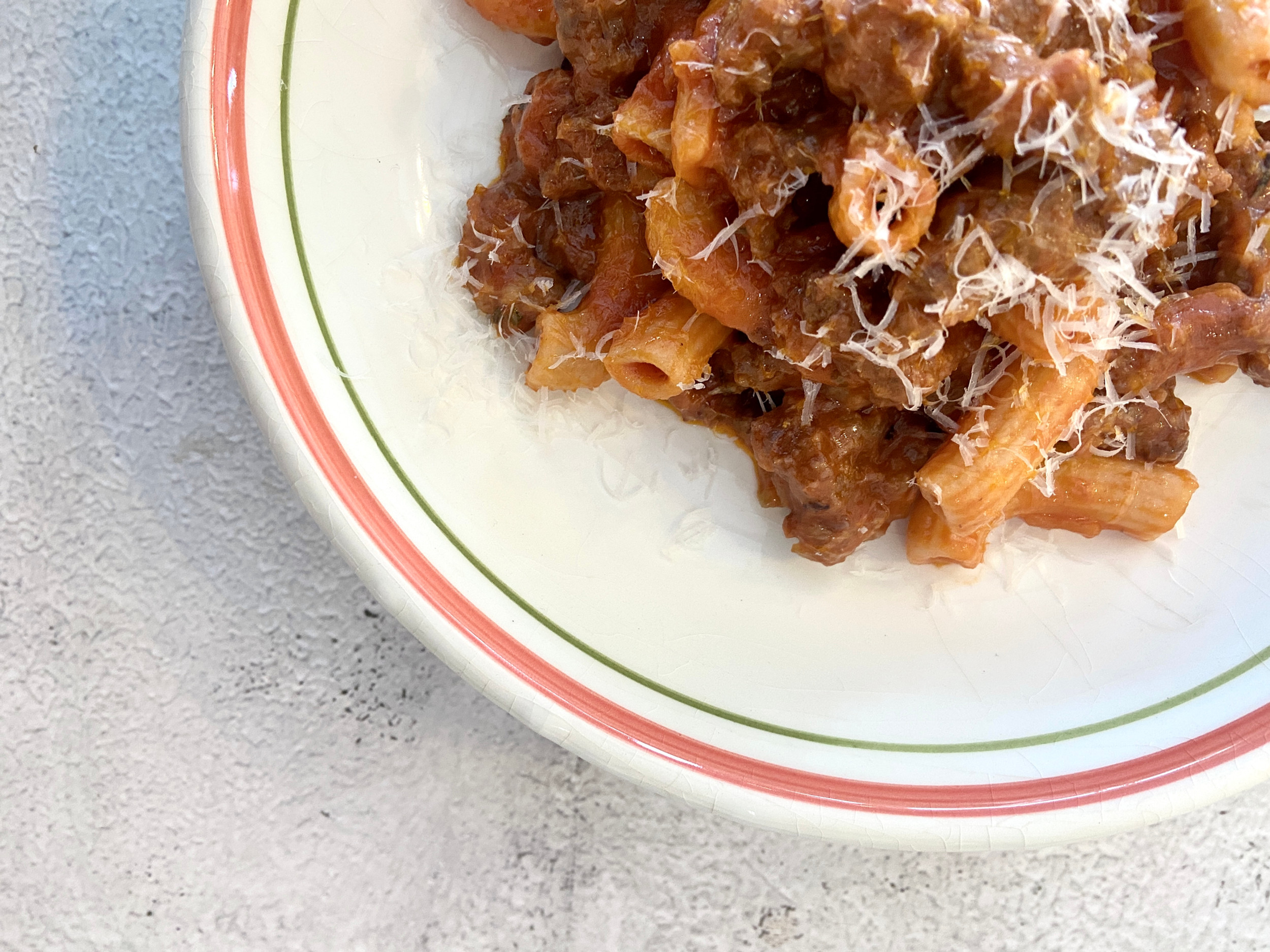
Beef pork sausage recipes deliver robust flavor and structural integrity by combining coarse-ground beef with high-fat pork trimmings for traditional homestyle comfort food. According to the United States Department of Agriculture (USDA) Food Safety and Inspection Service (FSIS), raw ground meat mixtures containing pork must reach a minimum internal temperature of 160 degrees Fahrenheit to ensure complete food safety while maintaining optimal juiciness. Mastering these heritage combinations relies on balancing lean beef proteins with rendered pork fat, ensuring satisfying textures across diverse Beef & Pork Recipes without sacrificing moisture during extended cooking times.
Culinary Prep Snapshot:
- Core Focus: Combining beef and pork balances lean protein structure with rich fat distribution.
- Target Scope: Traditional home-style comfort cooking, hearty breakfasts, and savory casseroles.
- Key Recommendation: Maintain cold meat temperatures throughout grinding and mixing to prevent fat smearing.
Core Principles and Detailed Overview
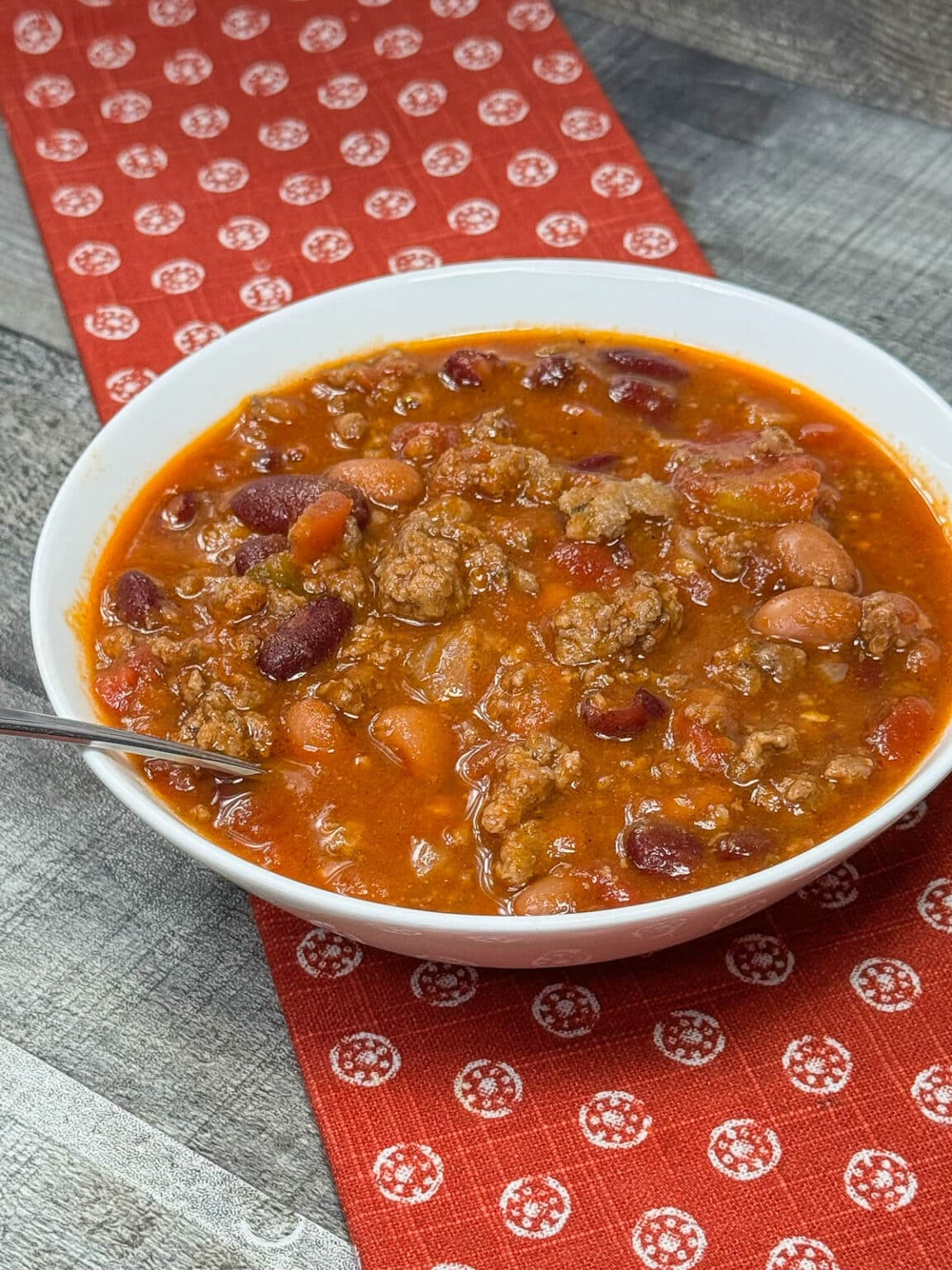
Traditional sausage-making techniques require maintaining strict temperature controls to keep fats solid during blending. Blending beef chuck with pork shoulder creates an ideal 70-to-30 lean-to-fat ratio essential for old-fashioned sausages that do not dry out over direct heat. Home cooks utilizing these methods often incorporate classic spices such as rubbed sage, black pepper, and toasted fennel seed, elevating standard ground meat into artisanal breakfast links, robust patties, or rich components for Soups & Casseroles.
Key Specifications and Breakdown
| Cooking Step / Component | Key Culinary Technique | Chef’s Quality & Food Safety Secret |
|---|---|---|
| Meat Selection | Pairing high-collagen pork shoulder with muscular beef chuck | Keep all cuts near 32°F in the freezer before grinding to preserve fat structure. |
| Seasoning Integration | Evenly distributing kosher salt and whole spices into chilled meat | Dissolve dry cure or salt in ice water before mixing to extract sticky myosin proteins. |
| Thermal Processing | Slow rendering via skillet browning or indirect oven roasting | Verify doneness with a digital probe thermometer targeting 160°F internal temperature. |
Raw ground pork and multi-species sausage blends must be cooked thoroughly to a minimum internal temperature of 160°F (71°C) verified with a food thermometer — USDA Food Safety and Inspection Service (FSIS)
Step-by-Step Practical Application and Guidelines
Executing exceptional sausage dishes begins with cubing well-chilled cuts of beef and pork before passing them through a sanitized grinder fitted with a medium plate. Thoroughly paddle the minced meat with cold spices and liquid until the mixture becomes tacky, which guarantees a cohesive bite rather than a crumbly texture. Brown the shaped patties or bulk sausage over medium heat in a heavy-bottomed skillet, allowing savory fond to develop for building rich Sauces & Condiments to accompany the meal.
Common Challenges and How to Avoid Them
Dry texture and fat separation occur when meat temperatures rise above 40°F during the mixing and grinding stages. Prevent this breakdown by chilling all mixing bowls, grinder attachments, and meat blocks beforehand. Overworking the protein emulsion can also yield an unappealingly rubbery texture, so mix vigorously for only two minutes until the batch achieves a unified, sticky consistency.
💬 Frequently Asked Questions
Explore More Time-Tested Home Recipes on WillyRecipes
Expanding culinary horizons with heritage techniques offers endless inspiration for family meals and traditional comfort food gatherings. Explore additional homestyle culinary guides, trusted baking projects, and savory dinner ideas by visiting the main index at WillyRecipes.com.
Recipe Step Photos & Variations