Introduction
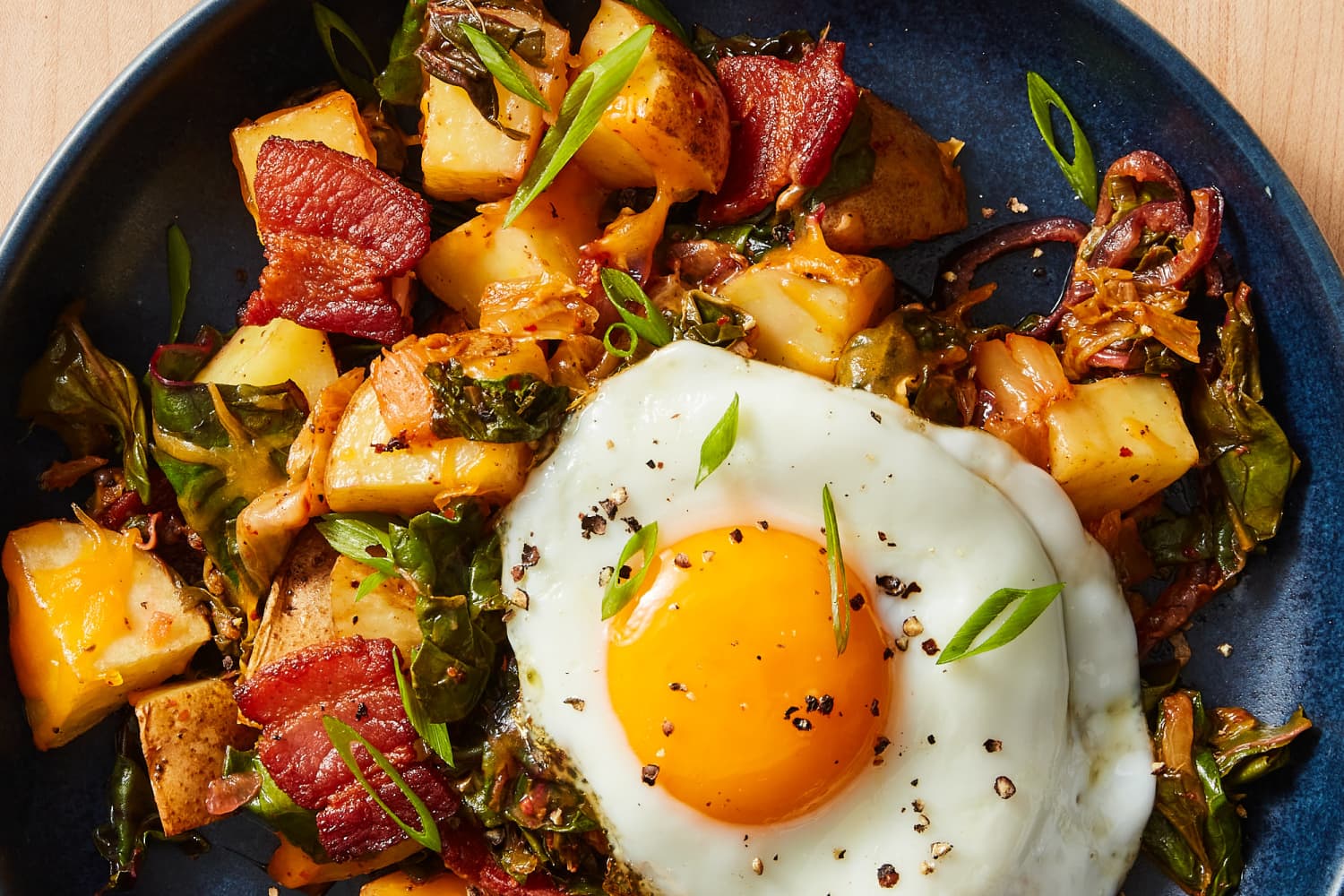
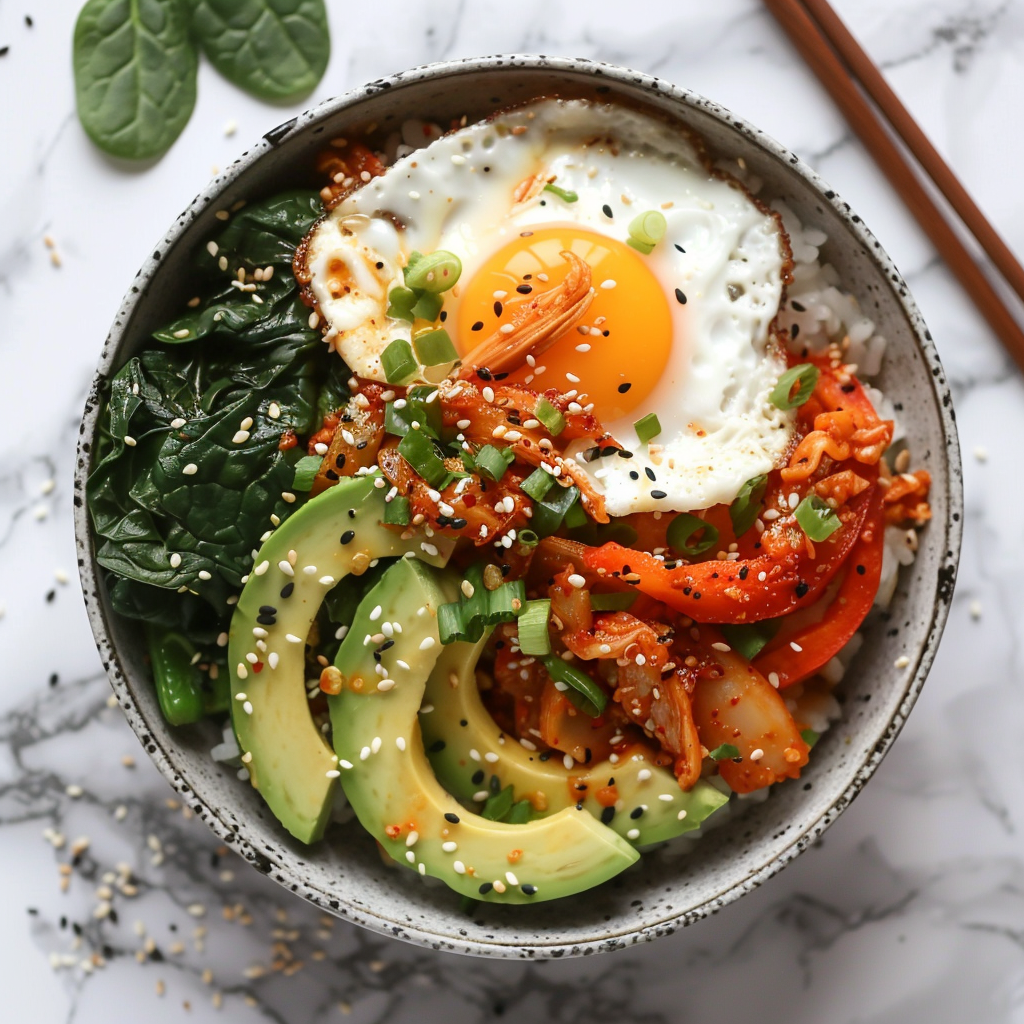
Breakfast kimchi recipes combine fermented vegetables with morning proteins to deliver high-acid, savory depth to traditional comfort foods. According to the USDA Food Safety and Inspection Service (FSIS), proper temperature control and thorough heating of perishable ingredients remain essential when combining cooked meats with fermented foods in morning skillet dishes. Traditional home cooks utilize these old-world preservation methods to elevate everyday meals found across global Breakfast Recipes traditions. Mastering these time-tested techniques guarantees a flavorful, balanced morning dish that anchors the first meal of the day.
Culinary Prep Snapshot:
- Core Focus: Integrating mature, aged fermented cabbage into morning egg dishes, fried rice, and savory porridges.
- Target Scope: Traditional home kitchens seeking high-flavor, nutrient-dense breakfast options.
- Key Recommendation: Use aged, well-fermented napa cabbage for superior depth and optimal caramelization during high-heat cooking.
Core Principles and Detailed Overview
Breakfast kimchi recipes rely on the natural acidity and umami of lactic-acid fermented vegetables to cut through rich fats like butter, cheese, and egg yolks. Direct application of heat reduces harsh raw pungency while concentrating sugars, resulting in a complex flavor profile ideal for pairing with ingredients featured in Pasta & Rice Recipes repurposed for morning service. Culinary professionals advise squeezing excess brine from extremely ripe cabbage to prevent excessive steaming, allowing the vegetable surface to achieve a proper sear in cast-iron skillets. This fundamental preparation method elevates humble pantry staples into deeply satisfying comfort food classics.
Key Specifications and Breakdown
| Cooking Step / Component | Key Culinary Technique | Chef’s Quality & Food Safety Secret |
|---|---|---|
| Kimchi Selection | Aged fermentation assessment | Select kimchi fermented for at least three weeks to ensure maximum natural acidity and complex umami. |
| Skillet Searing | High-heat caramelization | Pat vegetables dry and use rendered pork fat or neutral oils to promote Maillard browning without burning. |
| Protein Integration | Gentle folding and steaming | Incorporate eggs or cured proteins during the final stages to preserve delicate textures and prevent overcooking. |
Maintain rapid chilling for raw components and ensure hot holding temperatures exceed 140°F (60°C) when combining fermented vegetables with perishable breakfast proteins. — USDA Food Safety and Inspection Service (FSIS)
Step-by-Step Practical Application and Guidelines
Executing breakfast kimchi recipes successfully requires precise heat control and thoughtful fat selection to balance the natural lactic acid. Begin by heating a well-seasoned cast-iron skillet over medium-high heat with a small amount of rendered fat or oil. Finely chop aged napa cabbage and press out excess liquid before adding it directly to the hot pan. Allow the cabbage to sear undisturbed for three to four minutes until light brown edges develop. Introduce cooked grains or whisked eggs directly into the skillet, stirring constantly to marry the pungent vegetable flavors with the rich morning proteins before serving immediately.
Common Challenges and How to Avoid Them
Excessive liquid accumulation and overwhelming acidity represent the most frequent pitfalls when cooking fermented vegetables for morning meals. Overcoming watery textures requires thoroughly draining or wringing out excess brine prior to searing the cabbage in a smoking-hot skillet. Furthermore, balancing sharp acidity with a pinch of brown sugar or toasted sesame oil restores harmony to the dish without masking the traditional character of the fermented ingredients. Careful attention to pan temperature ensures the vegetable achieves savory caramelization rather than steaming in its own juices.
💬 Frequently Asked Questions
Explore More Time-Tested Home Recipes on WillyRecipes
Expanding culinary repertoires with traditional, comforting meals ensures every table features reliable, time-tested flavors. Discover additional heritage cooking methods, step-by-step guides, and family-style dishes by browsing the complete collection available at WillyRecipes.com.
Recipe Step Photos & Variations